You have to take care of a loved one: how to prepare the family?
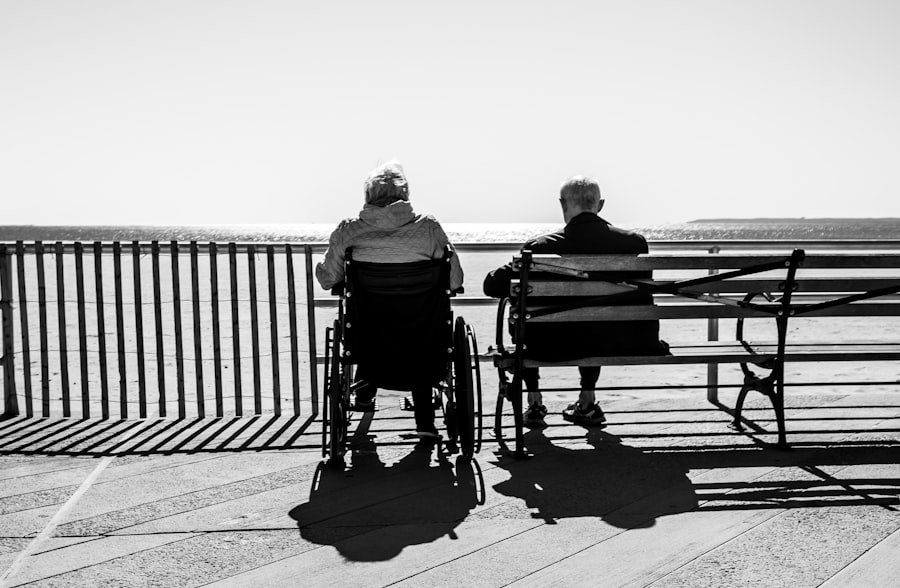
There comes a time in many people's lives when things turn upside down. It is not a momentary storm, but rather an advancing twilight that gradually obscures the horizon of independence of our loved one - parent, spouse, child. Regardless of the age and the specific situation, this change often presents me, as part of the family, with the question of taking care. This is not just a task, but a challenge that affects us all. Preparing the family for this new stage is key because every berry in the garden of our relationship needs to be watered with understanding and support so that our life together can continue to blossom, albeit in a new form.
When we are faced with the need to take care of a loved one, the first thing we have to do is accept the new reality. This is not easy, because it often involves recognizing the limitations and vulnerabilities of the loved one, as well as realizing the responsibility that falls on us. This process of making sense is fundamental because it determines how we approach communication and planning.
Assessment of needs and opportunities
Before taking any action, it is important to make a sober assessment of the needs of the person we will be caring for, as well as our own capabilities. This requires attention to detail and patience.
Medical aspects
- Consultation with specialists: It is necessary to consult doctors and other medical professionals to fully understand the nature of the condition, possible progressions and necessary medical care. This can include doctors from a variety of specialties, from general practitioners to neurologists, cardiologists, geriatricians and others, depending on the specifics.
- Medicines and therapies: Detailed familiarization with the prescribed drugs, dosages, hours of administration, as well as with the application of specific therapies (physiotherapy, occupational therapy, speech therapy) is mandatory. It is important to create a clear regimen and know how to react to side effects.
- Diet: Meeting special dietary requirements that may be dictated by health conditions is essential to maintaining general well-being.
Emotional and psychological needs
- Psychological support: It is possible that the person we are going to care for needs psychological support to cope with the changes in his life, with the loss of independence or with the fear of the future. This can include regular conversations, creating a calm and supportive atmosphere.
- Social isolation: A way to reduce social isolation should be provided by encouraging contacts with friends and relatives, organizing activities that bring pleasure and engagement.
- Preserving dignity: Every action must be consistent with the preservation of human dignity. Respect for his personal preferences and autonomy as far as possible is fundamental.
Practical and household needs
- Adaptation of the dwelling: Changes to the home environment are often required to ensure safety and comfort – fitting aids, removing obstacles, adapting the bathroom.
- Daily activities: Care can include help with eating, hygiene, dressing, getting around. This requires understanding the most appropriate ways to assist without compromising independence.
- Financial matters: It is necessary to organize the management of personal finances, the payment of bills, the management of pensions and other financial obligations.
Awareness of own limitations and resources
At the same time, I have to be honest with myself about my own capabilities. I can't be everything to everyone.
- Physical Endurance: Caregiving can be physically exhausting. It is important to assess whether I have the necessary physical health and strength to handle the lifting, moving or other physical demands.
- Emotional Resilience: It's an emotional marathon, not a sprint. I need to assess my emotional resilience and how I will deal with stress, frustrations and exhaustion.
- Time Resources: Caring takes a lot of time. I have to consider how this will affect my work, social life and personal commitments.
- Financial resources: Some care costs can be significant. I need to have a clear picture of the financial picture.
Communication as a bridge between generations: How to talk to our family?
After I have assessed the situation, the most delicate moment comes - to talk to the other family members. It's like building a bridge over a chasm, with every word a brick and every hearing a strong binder.
Initiate a conversation
Choosing the right time and place is essential. It should not be an impromptu conversation, but a planned meeting where everyone can fully participate.
Choosing a suitable time and place
- Peaceful environment: Choose a time when everyone is relaxed, without outside worries or rushing. It can be a weekend afternoon, a family dinner, when the atmosphere is favorable.
- Neutral territory: Sometimes it's helpful to have the conversation in neutral territory, such as a coffee shop or park, where emotions may be more under control.
- Advance notice: Inform family members that you want to discuss an important matter so they can also prepare mentally.
An open and honest approach
- Avoiding charges: The tone should be calm, without accusations or reproaches. The goal is cooperation, not conflict.
- Expression of concern: Begin by expressing your concern for the person in need of care and for the entire family.
- Information sharing: Present the facts calmly and objectively, based on the assessments you have made.
Inclusion of all family members
Each family member has a role and a voice. I can't make decisions on my own because that will create tension and lead to feelings of alienation.
Sharing information and needs
- What happens: Present the situation clearly without exaggerating or understating it. Explain the needs of the person who needs care – medical, emotional, practical.
- Our position: Explain how this situation affects your personal time, energy, and resources. Be open about the challenges you see.
- Questions and answers: Give everyone an opportunity to ask questions and voice their concerns. Answer all questions patiently, even if they are repeated.
Allocation of Responsibilities
- Contribution opportunities: By gathering information about each family member's capabilities, it can be discussed how each can contribute. Someone can help with transport, another - with food preparation, another - with the company.
- Flexibility: The distribution of responsibilities should be flexible and tailored to everyone's capabilities. It's not about strict rules, it's about mutual help.
- Regular meetings: Schedule regular meetings to discuss how things are going, if adjustments are needed, and how everyone is feeling.
Creating an Action Plan: From Words to Actions
After we have talked with our family and reached an understanding, it is time to turn intentions into concrete actions. It's like building a travel map where every stop is important.
Defining roles and responsibilities
Clearly defining who will do what is key to avoiding misunderstandings and overwhelm.
Distribution of basic care
- Daily schedule: A general schedule can be created for basic care – for example, who will help with meals on certain days, who will provide companionship for walks or doctor's appointments.
- Coordination: Designate one person to be the overall task coordinator to avoid confusion. This does not mean that he will do everything, but he will serve as a point of contact.
- Emergencies: Discuss how emergencies will be responded to and who will be the first point of contact.
Respite care and respite
- Avoiding burnout: It is important to provide for the possibility of a short or longer break for the primary carer. This may include hiring an assistant or temporary accommodation.
- Burden Sharing: Even when someone is the primary caregiver, others should be ready to help when needed to prevent burnout.
- Care for the caregiver: We should not forget that the caregiver also needs care. It is important to ensure time for rest, sleep and maintaining one's health.
Financial planning and resources
Money is often a touchy subject, but it is an inevitable part of the caregiving process.
Costs and sources of funding
- Budgeting: Create a detailed budget that includes all potential expenses—medical supplies, medications, specialty foods, transportation, possibly hiring professional care.
- Existing Resources: Explore all available resources – pensions, welfare benefits, benefits if available.
- Family contributions: Discuss how financial costs will be divided between family members, if necessary.
Legal and administrative matters
- Powers of attorney: If the person we will be caring for is unable to manage their own finances or health, powers of attorney may need to be created.
- Insurances: Check all aspects of health insurance and other related insurances.
- Hereditary issues: Although unpleasant, some aspects related to the future will or inheritance may need to be discussed, especially if the person is elderly.
Support and Resources: You are not alone in this journey

Caring for a loved one can be a lonely road, but it's important to remember that I'm not alone. There are many resources that can offer support.
Professional help
Sometimes, as much as we love, we can't provide everything we need on our own.
Medical and health services
- Home Care: When needed, home care services can be sought to provide assistance with daily activities, medical care, or company.
- Patronage services: Explore opportunities for patronage services that visiting nurses or orderlies offer.
- Rehabilitation centers: If necessary, options for short-term stays in rehabilitation centers may be considered.
Social and emotional support
- Psychological consultation: Individual or family psychotherapy can be extremely helpful in dealing with emotional challenges.
- Support groups: There are support groups for people who are caring for their loved ones. Sharing experiences with people in a similar situation can be extremely relieving.
- Social workers: It is recommended that you contact social workers who can provide information about social services, benefits and other forms of support.
Information resources
Knowledge is power, especially when we care for someone.
Specialized organizations and associations
- For diseases: There are organizations dedicated to specific diseases (eg Alzheimer's, Parkinson's, diabetes) that offer information, resources and support.
- For the elderly: Specialist associations for the support of older people can provide information about rights, services and referrals.
- Online platforms: There are many online platforms and forums where you can find useful information and communicate with other people.
Educational materials
- Books and articles: There are many books and articles on the market dedicated to caring for the sick and elderly, offering practical advice and understanding of the various aspects.
- Training courses: Some organizations offer training courses in basic care, first aid and psychological support.
Future Perspectives: Adaptation and Development
| Metric | Description | Recommendations |
|---|---|---|
| Care time per day | Average time needed for daily care of a loved one | Plan a schedule with breaks and help from other family members |
| Emotional stress | Level of stress related to caring for a loved one | Provide support through talks, counseling and support groups |
| Financial costs | Average monthly expenses for medical and other care | Create a budget and explore financial aid options |
| Training and information | Level of knowledge about the specific needs of the loved one | Attend courses and consultations with medical specialists |
| Family support | Percentage of family members involved in caregiving | Distribute responsibilities and encourage collaboration |
Life is never static, especially when caring for a loved one. The key is constant adaptation and readiness for change.
Reassessment and corrections
The plan we have created is not set in stone. It should be flexible and allow for adjustments.
- Regular reviews: Every few months, or as needed, it's good to go back to the plan and review it. The needs of the person we care for are likely to change.
- Open dialog: It's important to keep talking openly with family members about how things are going, whether the plan is still working, and whether changes need to be made.
- Careful observation: Carefully monitor the condition of the person who needs care, as well as your own condition.
Maintaining quality of life
The main goal is not only to provide physical care, but also to maintain the quality of life as much as possible.
- Engagement and Activities: Keep the person engaged in activities that bring them pleasure and meaning as much as possible. This can be listening to music, reading, watching favorite movies, short walks.
- Social contacts: Encourage family and friends to continue to visit and communicate. Social connection is vital.
- Celebrating the little things: Every achievement, every smile, every kind word – all this deserves to be celebrated. These moments are like rays of sunshine on a cloudy day.
Caring for your own well-being
I cannot be a good support for someone if I myself am at the edge of my strength.
- Self service: Don't ignore your own needs – sleep, food, exercise, rest time. It's an investment in your health and your ability to continue to care.
- Asking for help: Don't be afraid to ask for help. This is not a sign of weakness, but of wisdom.
- Emotional health: Look for ways to deal with the stress and negative emotions that inevitably arise. Psychologist, friends, hobbies - find your remedy.
Taking care of a loved one is a long and often difficult journey, but with the right preparation, open communication and support, we can turn this challenge into an opportunity to strengthen family bonds and show deep love. Remember that every step you take is important, and that you are not alone in this journey.
FAQs
What does it mean to take care of a loved one?
Caring for a loved one means providing support and assistance to a family member or loved one who needs help due to health problems, age or other circumstances that make it difficult for them to cope independently.
How to prepare the family for the new caregiving role?
Preparation includes an open conversation with all family members, sharing responsibilities, informing about the loved one's needs, as well as seeking outside help and resources that can facilitate care.
What are the main challenges in taking care of a loved one?
The main challenges include emotional stress, physical strain, financial costs and the need to adapt daily life and the home to the needs of the sick or elderly person.
What resources can help a family care for a loved one?
Helpful resources are social services, medical counseling, support groups, professional caregivers, and informational materials and training on proper care.
How to take care of your own health while caring for a loved one?
It is important to take time to rest, seek support from other family members or professionals, maintain a healthy lifestyle and not neglect your own needs and emotional state.