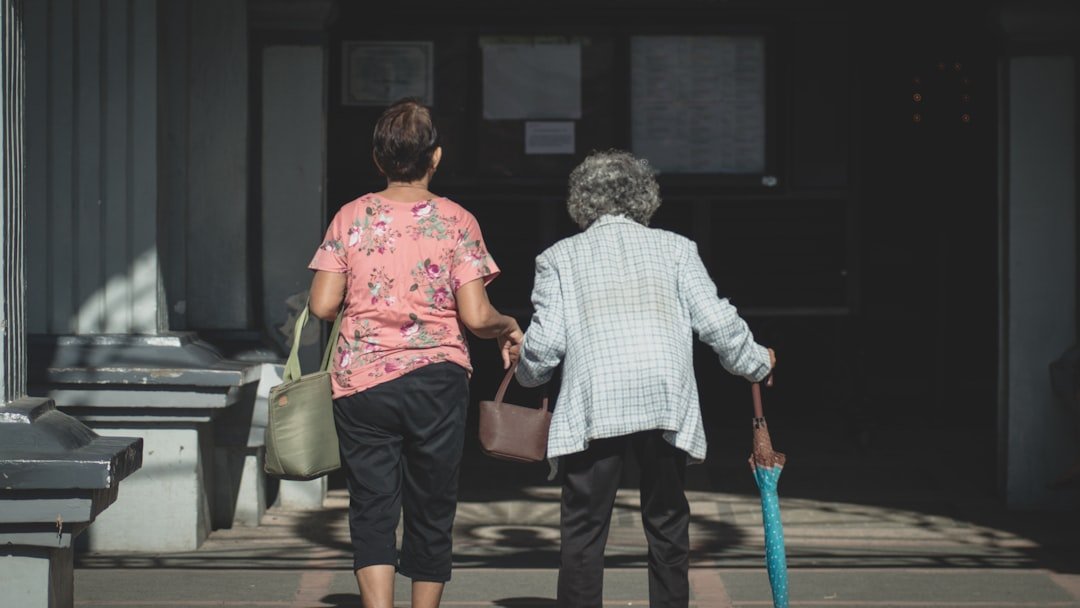
Hello readers. Today, we're taking you on a journey through the complex, yet extremely important world of medical care nursing homes. As a society, we are often faced with the challenge of providing a dignified and adequate life for our elderly loved ones when they can no longer care for themselves. This process is fraught with emotions, questions, and often times, uncertainty. Our goal is to look objectively at what these institutions are, how they function, what services they offer, and what we should expect when making a decision to place a loved one. Let's embark on this journey together, armed with facts and realistic expectations.
When we talk about a "medical care nursing home," we actually mean a specialized facility that goes beyond the traditional notion of retirement home. It is not just a place of residence, but a complex institution, the main purpose of which is to provide 24-hour supervision, professional nursing and sanitary care, medical care and support for elderly people who need permanent or intensive medical care due to chronic diseases, old age, dementia or other conditions that limit their independence.
Distinction from other types of establishments
It is important to make a clear distinction between the different types of facilities for the elderly. Not every retirement home offers full medical care.
- Retirement homes without medical care: These homes offer accommodation, food, social activities and basic assistance with daily activities. They are suitable for elderly people who are relatively independent and do not require constant medical intervention.
- Day care centers for the elderly: They offer care and activities during the day, allowing the elderly to go home in the evening. They do not offer accommodation.
- Nursing homes with medical care (also called hospices or palliative care centers in some cases, although this is a narrower definition): These are the institutions we focus on. They are equipped with medical personnel - doctors, nurses, rehabilitators, orderlies - and have equipment and conditions for providing specialized medical services.
Target group and indications for accommodation
Who really needs a nursing home with medical care? Usually these are people who:
- They suffer from chronic diseases that require constant monitoring and medical treatment (cardiovascular diseases, diabetes, oncological diseases).
- Have dementia or Alzheimer's disease, which requires constant supervision and specialized care for cognitive function and behavior.
- Have experienced a stroke, fractures or other events that require long-term rehabilitation and recovery.
- Have severe mobility difficulties, immobility or bedridden patients who need help with personal hygiene, nutrition and prevention of pressure ulcers.
- They are in the terminal stage of the disease and need palliative care to relieve pain and maintain quality of life.
Complexity of the offered services
A nursing home is like a small, self-contained world where the needs of the person are at the center of attention. The services offered are multifaceted and cover all aspects of life.
Medical care
It is the heart of any nursing home with medical care. We are not talking about just measuring blood pressure here, but about an integrated system of health practices.
- 24-hour medical supervision: Having medical staff around the clock is key. This guarantees a quick response to emergency situations and constant monitoring of the residents' health.
- Medical examinations and consultations: Regular examinations by a doctor (general practitioner or specialist), consultations with narrow specialists if necessary, appointment and correction of treatment.
- Therapeutic procedures: Administration of injections, infusions, dressings, wound care, pressure ulcers, catheters and other specialized manipulations.
- Rehabilitation and physiotherapy: Individual and group programs to restore motor functions, maintain muscle tone, improve coordination. This may include kinesitherapy, massages, electroprocedures.
- Respiratory Care: For patients with respiratory problems, including oxygen therapy, nebulizations, aspiration of secretions.
- Palliative care: For patients in an advanced stage of disease, aiming to relieve pain and suffering, as well as improve the general quality of life.
Care for self-care and household needs
Even the most basic daily activities can become a challenge for seniors.
- Personal hygiene: Help with bathing, dressing, toileting, changing diapers, skin and hair care.
- Nutrition: Preparation of dietary food tailored to individual needs and diseases (diabetic, low-salt, pureed food). Nutrition assistance for people with disabilities.
- Mobility and Positioning: Assistance with movement, changing the position for bedridden patients, use of aids (wheelchairs, walkers).
- Cleaning and laundry: Keeping the rooms clean, washing personal linen and clothes.
Social and psycho-emotional care
A person is not only a body, but also a spirit. Emotional and social well-being are equally important.
- Social Activities and Activities: Organizing group activities, games, creative workshops, walks, readings, celebrating birthdays and holidays. The aim is to maintain social activity and prevent isolation.
- Psychological support: Consultations with a psychologist to deal with depression, anxiety, loss of loved ones. Support for adaptation to the new environment.
- Animal therapy (if possible): Some homes offer contact with pets, which has been proven to have a positive effect on mood and health.
- Religious needs: Providing an opportunity to visit a priest or participate in religious services according to the resident's faith.
How to choose the right home?

Choosing a nursing home with medical care is one of the most difficult decisions we can make. It is like choosing a new home, a new harbor for a loved one, which should be not only safe, but also cozy.
Evaluation criteria
Don't just trust ads and pretty brochures. Deep analysis is key.
- Licensing and Accreditation: Check that the home has all the necessary licenses and permits from the relevant government authorities (Ministry of Health, Social Welfare Agency). This is a guarantee of compliance with standards.
- Staff:
- Qualification: What is the qualification of the medical staff - doctors, nurses, rehabilitators? Do they have experience working with the elderly?
- Staff-resident ratio: How many staff care for how many residents? A higher ratio means more individualized care.
- Trainings: Are there regular staff trainings on new medical practices, dementia care, etc.?
- Material basis and conditions:
- Premises: Cleanliness, maintenance, lighting, ventilation.
- Rooms: Layout (single, double, triple), furniture (functional beds, wardrobes), accessibility (wide doors for wheelchairs), bathroom units in the rooms or on the floor.
- Total areas: Dining room, common lounges, garden or courtyard for walks, accessibility for disabled people.
- Equipment: Availability of specialized medical equipment, elevators, ramps, alarm systems, staff call systems.
- Nutrition: Is the menu adequate? Is diet food available? Is it possible to customize according to needs?
- Social activities: What activities are offered? Do the residents get involved in them? Is there variety?
- Location: Is the venue accessible for visits from loved ones? Is it away from polluted air and noise?
- Price: What does the fee include? Are there any hidden costs?
Visits and personal impressions
Don't hesitate to visit a few homes, even if they look perfect on the phone. Personal impressions are priceless.
- Observe: How do the staff treat the residents? Do the occupants seem happy, relaxed? Are there unpleasant smells? Are there cries or complaints?
- Chat: Talk to the manager, doctor, nurses. Ask questions. Ask to speak to one of the residents as well, if possible.
- Trust your intuition: Do you feel good in this place? Would you like your loved one to live there?
Financial aspects and state support

Money is a touchy subject, but it's an important part of the equation. A nursing home with medical care is an investment in the future and dignity of our loved ones.
Pricing
The cost of monthly accommodation and care varies greatly and depends on many factors:
- Room type: A single room is usually more expensive than a double or triple room.
- Degree of dependence: For inpatients, dementia patients or people with very specific medical needs, the cost may be higher due to the intensive nature of care.
- Number and qualification of staff: Better staffing and a higher staff-to-patient ratio inevitably make the service more expensive.
- Additional services: Some homes offer additional services for a fee (eg hairdresser, pedicure, individual therapies).
- Location and Reputation: Homes in big cities or with established reputations are often more expensive.
- Included services: It is important to understand exactly what the monthly fee includes - food, medications, consumables, medical examinations, rehabilitation.
Opportunities for government support and subsidies
Although most nursing homes with medical care are private, there are state or municipal alternatives as well as opportunities for financial support.
- State and municipal houses: They often have lower fees, but also long waiting lists. Conditions and quality of care may vary.
- Social benefits: People with low incomes and no relatives who can support them can apply for social assistance or accommodation in state institutions.
- Dementia and disabilities: For certain types of disability or illness (eg dementia) there may be specific support programmes.
- Foundations and NGOs: Some foundations offer financial or material assistance to seniors in need.
- Health fund: NHIF covers certain medical activities and medicines, but does not fully cover the stay in specialized homes. It is important to clarify which procedures and medications are included in the NHIF package and which will be at the expense of the patient/relatives.
That's why it's a good idea to inform yourself in advance about all the available support options and programs in order to make an informed financial decision.
Psychological preparation and adaptation
| Indicator | Description | Average values |
|---|---|---|
| Home capacity | Number of accommodated elderly people | 50-150 people |
| Staff per 1 inhabitant | Medical staff to resident ratio | 1:5 to 1:10 |
| Medical services | Types of care provided to residents | Permanent medical supervision, rehabilitation, physiotherapy |
| Average length of stay | Average length of stay in the home | 6 months to several years |
| Price per month stay | Average value for accommodation and care | Varies by services and location |
| Activities and socialization | Opportunities for social and recreational activities | Group activities, cultural events, sports activities |
| Safety | Security and emergency measures | 24/7 monitoring, alarm systems, medical team available |
Placing a loved one into a nursing home with medical care is a watershed moment. It is like moving a plant from one pot to another - it requires attention to the roots and leaves.
For the family
For loved ones, this decision is often accompanied by feelings of guilt, sadness and helplessness.
- Accept the decision: Realize that this is not a disclaimer, but an attempt to provide the best possible care that you cannot provide yourself. Sometimes professional help is the only way out.
- Be informed: The more you know about the home, the more relaxed you will feel.
- Keep in touch: Regular visits, phone calls, video chats are extremely important to keep in touch and to show your loved one that you have not abandoned them.
- Participate: If possible, get involved in the life of the home - attend events, offer help, become part of the community.
For the resident
Adaptation is an individual process and can be difficult for some.
- Preliminary preparation: Talk openly with your loved one about the upcoming placement, if their condition allows. Explain to him why it is necessary and what the benefits will be.
- Importing personal belongings: Allow him to take items with him that have sentimental value - photos, books, favorite possessions. They will create a feeling of home comfort and a familiar environment.
- Adaptation period: Be patient. Adaptation can take time. Some people feel left out, others relieved.
- Maintaining a routine: Staff should aim to maintain access to favorite activities if possible and establish a predictable daily routine.
- Socialization: Encourage him to participate in social activities and interact with other residents.
We, as a society, need to change our attitudes towards nursing homes. They are not a place to be abandoned, but a vital element of modern aged care. By choosing such a place, we are not rejecting our loved ones, but giving them a chance for a better quality of life, dignity and professional care when they are most vulnerable. With the right approach and adequate information, we can turn this decision into a positive step for both the elderly person and their family.
FAQs
What medical care is provided in a nursing home?
Nursing homes provide ongoing medical supervision, including chronic disease control, medication administration, rehabilitation, physical therapy, and emergency medical care as needed.
Who can settle in such a home?
Medical care nursing homes can accommodate seniors who need constant medical care or supervision, as well as those with chronic illnesses, reduced mobility, or cognitive impairments.
What are the conditions for accommodation and stay?
Conditions include individual or shared rooms, provided food, medical and social services, and opportunities for social activity. The stay can be either short-term or long-term, depending on the needs of the patient.
How is the safety of residents ensured?
Safety is ensured by 24-hour medical monitoring, access control, an adapted environment for people with limited mobility, as well as training of staff to respond to emergency situations.
What are the costs of staying in a nursing home with medical care?
Costs vary depending on the type and scope of services provided, the location of the home and the individual needs of the resident. They usually include accommodation, food, medical care and additional services.