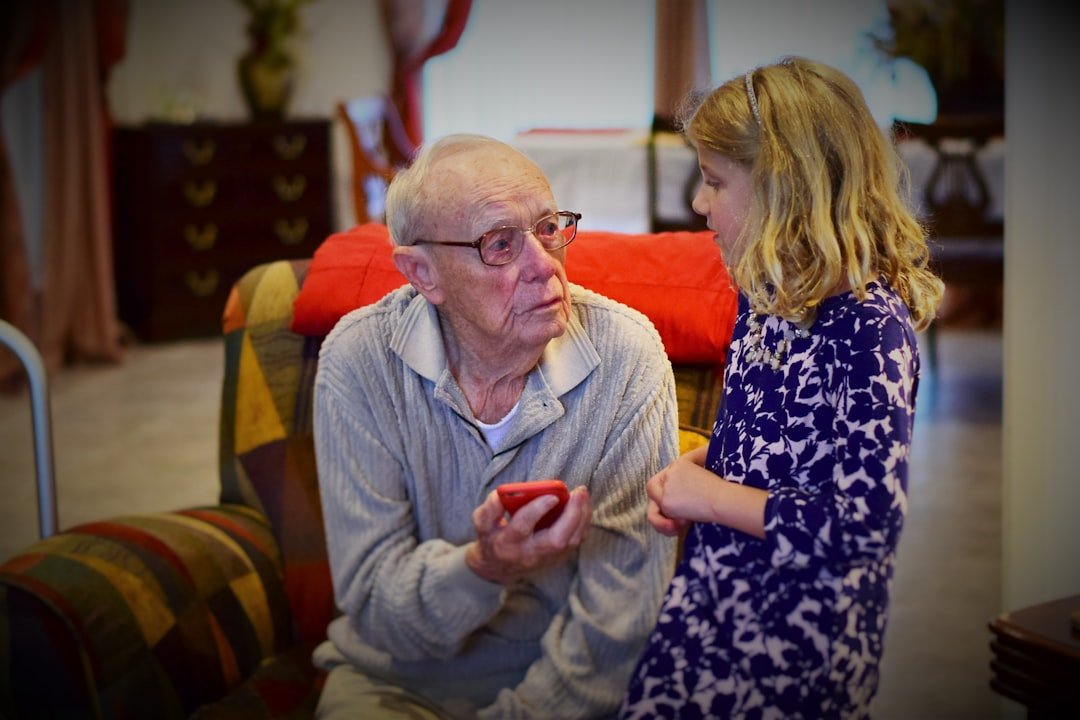
Do you remember the moment your parents taught you to walk? Now that they need your support, do you feel prepared? Life sometimes places us in roles we did not choose, but which we fulfill with love.
Being a support for a loved one with cognitive impairment is filled with deep meaning. The familiar setting of home can be a powerful ally – it brings peace and memories that keep the connection with reality.
Many families in Bulgaria choose this path, despite the difficulties. Why? Because we know that even as memory fades, emotions remain. The smile at the sound of a favorite melody or the warmth of loving hands - these are moments that institutions cannot replace.
Key findings
- The home environment supports a sense of security and independence
- Family ties are key to emotional stability
- The right approach reduces stress for all involved
- Practical challenges can be overcome with preparation
- Professional advice makes everyday life much easier
Understanding dementia and its stages
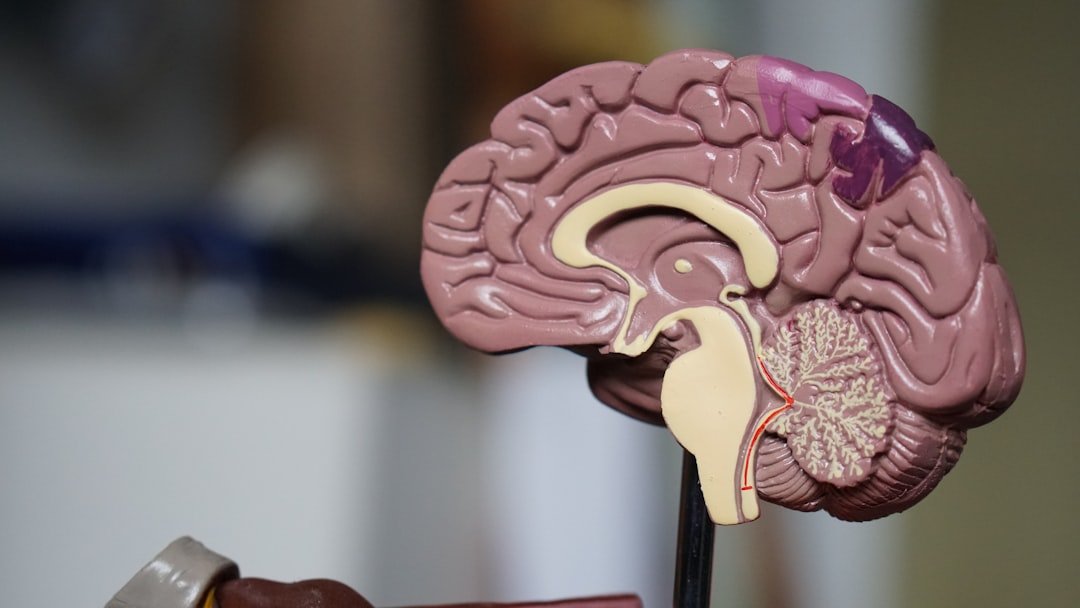
Do you know how to recognize the first signals of a change in thought processes? This condition, which we usually associate with old age, actually has specific medical characteristics. The dementia is not a natural part of aging – it is a group of diseases affecting brain function.
What is behind the term?
The World Health Organization defines the disease as "progressive cognitive decline". The most common form is Alzheimer's, responsible for 67% of diagnoses. The statistics are impressive: over 55 million people globally are living with the condition, and by 2030 the number is expected to reach 78 million.
The three phases of development
The progression is divided into clear stages that help plan care:
- Early stage: Forgetting recent events, difficulty choosing words
- Intermediate stage: Loss of long-term memories, need for help with daily life
- Late stage: Total dependence, lack of verbal communication
Understanding these phases allows families to adapt their approach. Early detection of symptoms makes it possible to delay development and improve quality of life.
Major challenges in caring for elderly patients with dementia
Living with a loved one whose thinking abilities are changing brings unique challenges. Psychological changes they are often more difficult to manage than physical ones - they cause emotional storms and require a specific approach.
Psychological and behavioral changes
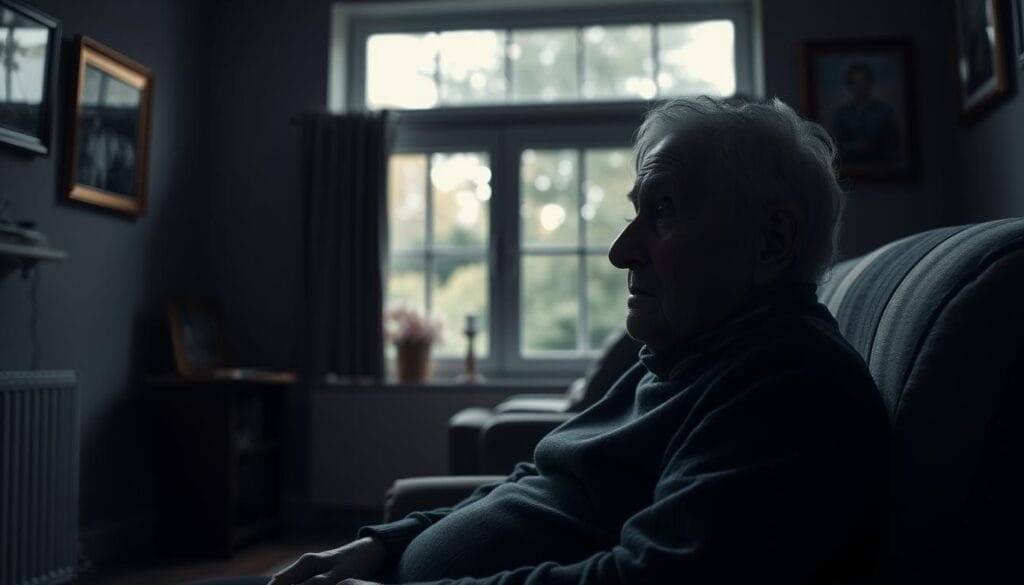
The early ones symptoms include sudden apathy or unusual fear. In patients with dementia, a sudden change in mood is often observed - from tenderness to aggression in minutes. The key is to understand that this behavior is not a conscious choice.
Coping Strategies:
– Avoid confrontations – redirect attention to peaceful activities
– Create visual cues for important tasks
– Support the emotional connection through music or old photos
Physical challenges and needs
In advanced disease, the elderly lose control of their movements. Loss of coordination can lead to falls, and feeding problems require special utensils.
Practical solutions:
– Install grab bars in the bathroom and hallways
– Use anti-slip mats
- Divide food into small portions
Remember: professional help is needed when daily tasks become too overwhelming. symptoms such as chronic insomnia or hallucinations require medical intervention.
Organizing a safe and familiar home environment
What makes a room a real home? It's not just the walls and the furniture, it's the sense of predictability and calmness. At people with impaired cognitive functions it becomes even more important – every detail can affect their confidence.

Improving orientation and structuring space
The bright colors and contrasting visual cues can help for easier recognition of the rooms. Labels in large letters on the doors, pictures of the contents of the cupboards or familiar objects in visible places all create points of orientation.
Avoid rearranging furniture. Even small changes in the setting can lead to confusion. If renovation is necessary, do it gradually and with human input.
Safety measures and accident prevention
Areas of increased risk require special attention. In the bathroom, install grab bars for control on the balance, and in the kitchen – locking dangerous utensils. Floor coverings must have an anti-slip coating.
Lighting plays a key role. Dark corners and sharp shadows can create the illusion of danger. That can to be avoided with evenly distributed light sources without flashing elements.
Caring for an elderly person with dementia at home
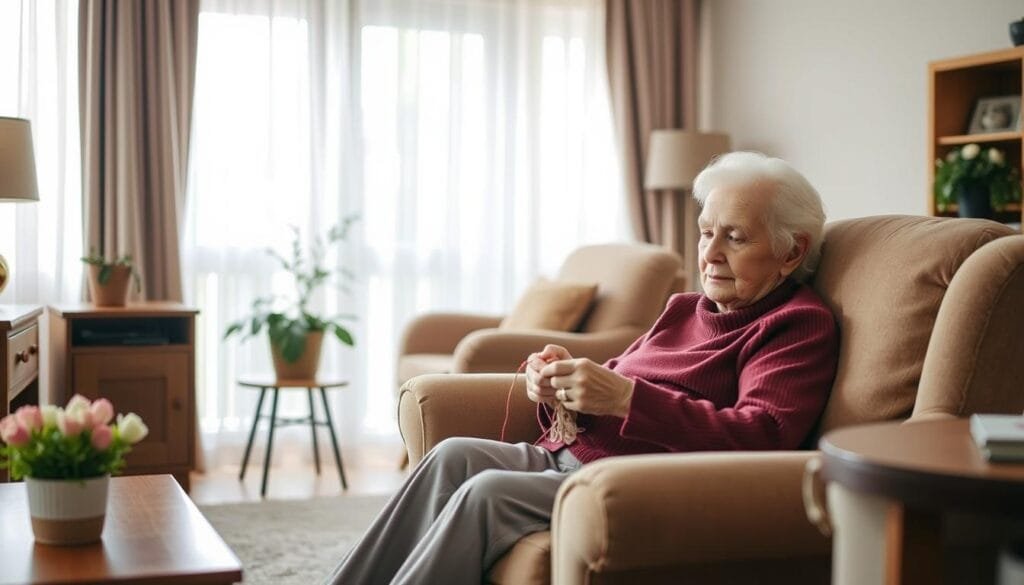
Do you know what turns ordinary moments into a source of peace? The stable rhythm of the day becomes an animal for orientation during cognitive changes. The predictability doesn't mean a strict schedule, but creating a sense of control and security.
Establishing a stable daily routine
Mealtimes are perfect for structuring. We encourage eating at certain times - this supports the biological clock. Calendar with visible dates and digital clock with large numbers can help for orientation in time.
We recommend family rituals such as an afternoon coffee break or evening walks. These moments maintain an emotional connection and memories. It is important to include favorite activities: listening to music or browsing albums.
Overcoming everyday obstacles
Dressing and hygiene are sometimes stressful. We turn them into a game: choosing between two clothes or using familiar cosmetic products. Food preparation becomes collaborative activity with simple tasks - cutting vegetables or serving.
We advise the use of ergonomic utensils and adaptive devices. For key areas, we put stickers with illustrations - for example, a photo of a toothbrush next to the sink. Flexibility is important: when a task causes stress, we change our approach.
We remember that every day is different. The patients react in an individual way - we observe and adapt. We celebrate small successes with a smile and praise, because they are steps towards a better quality of life.
Maintenance of physical and mental health
Maintaining overall health requires a balance between physical and emotional needs. Small daily activities become an essential tool for preserving autonomy and dignity.
Food, hygiene and personal clothing
The regular food intake with rich nutrients supports energy levels. Offer dishes with familiar flavors in small portions - it makes the process easier. The joint preparation turns the routine into a pleasant ritual.
Hygienic procedures require tact. Use warm water and soapy scents that evoke positive memories. To get dressed: arrange clothes in sequence for easy selection.
Physical activity and stimulating exercises
Lightweight walks in the park or garden paths activate muscle memory. Dancing to favorite tunes combines movement with emotional connection. Simple puzzles or sorting objects support cognitive skills.
It is important to adapt the exercises to the possibilities. 10-minute sessions in the morning and evening are enough to maintain tone. Encourage every effort with a smile - it is the most powerful incentive.