Our mothers have battled an invisible, insidious and often misunderstood disease – a disease that has left deep imprints on them, on us and on our entire family world. We appeal to you, the readers, to listen to us and understand our experience, because shared knowledge is a force that can change destinies. We are the children of mothers who have lived with… (the specific disease can be inserted here, if any, or left general to cover a wider range of conditions) and we are here today to share what we have learned, what we have experienced and what we want you to know. Our stories are not just personal testimonies; they are fragments of a larger picture that paints the reality of living with chronic illness in the family, and serve as a compass for those now navigating such turbulent waters.
Our mother's illness was not just a diagnosis; she was an invisible hand that shaped every corner of our childhood and adolescence. It changed the way our mothers looked at us, the way they touched us, the way they raised us. Sometimes we felt the weight of their pain like a shadow cast over us, and other times we saw their indomitable strength shine brightly even in the darkest moments.
The difficulties of a "normal" childhood
For us children, the "normality" we saw in our classmates and friends was often absent. The "normal" theater visit, the "normal" family vacation, the "normal" dinner - all these moments were often interrupted by bouts of illness, by fatigue, by doctor's appointments. We learned to be flexible, we learned to be patient, but we also realized that we were losing some of the carefreeness that is inherent in childhood. It taught us early maturity, but it also left gaps that we are still trying to fill today.
The paradoxical power of fragility
Despite the physical or emotional fragility that illness often imposed, our mothers demonstrated unprecedented strength. That strength was not in the absence of pain, but in their ability to bear it and find ways to continue to give love, care and support. We witnessed their resilience, their will to live, their ability to smile through tears. This paradox—fragility combined with indomitable strength—is one of the most enduring legacies they have left us.
The emotional burden on children
It should not be underestimated the emotional burden, which falls on children of parents with chronic diseases. We often felt like little adults who had to take on responsibilities, take care of our parents, keep secrets, deal with insecurities. This can lead to anxiety, depression, guilt, and other emotional challenges that continue into adulthood. Therefore, it is extremely important to recognize and support the emotional state of these children.
Difficulties in diagnosis and treatment: The long road to the truth
One of the most exhausting aspects of our mothers' fight with the disease was not the course of the disease itself, but the often painful and long road to a correct diagnosis and adequate treatment. This journey often felt like wandering through a dead-end maze, where each door led to a new disappointment.
The odyssey of symptoms
Many of our mothers experienced long years of misunderstanding on the part of doctors and even relatives. Their symptoms were often dismissed as 'emotional', 'psychosomatic' or 'exaggerated'. This "odyssey of symptoms", as we call it, is destructive not only to a person's physical but also to their mental health. It undermines trust in the medical system and leaves deep wounds.
The stigma surrounding certain illnesses
Unfortunately, some diseases still carry with them a heavy social stigma, further complicating the process of diagnosis and treatment. Our mothers often faced prejudice and misunderstanding, which left them feeling isolated and ashamed. Destigmatization is a key element in improving the lives of people with chronic illnesses.
The challenges of finding adequate treatment
Even after a diagnosis, the road to adequate treatment is often strewn with obstacles. Access to specialized care, the high cost of some therapies, the lack of sufficient information or the incompatibility of standardized protocols with the individual needs of patients - all contribute to the difficulties. Many of our mothers had to fight not only the disease but also the bureaucracy and the system.
The role of the family: The invisible pillars of support

We children, along with our fathers and other loved ones, were the invisible pillars that supported our mothers in their battle. Our role was multi-faceted and often went unnoticed from the outside.
Becoming a caregiver
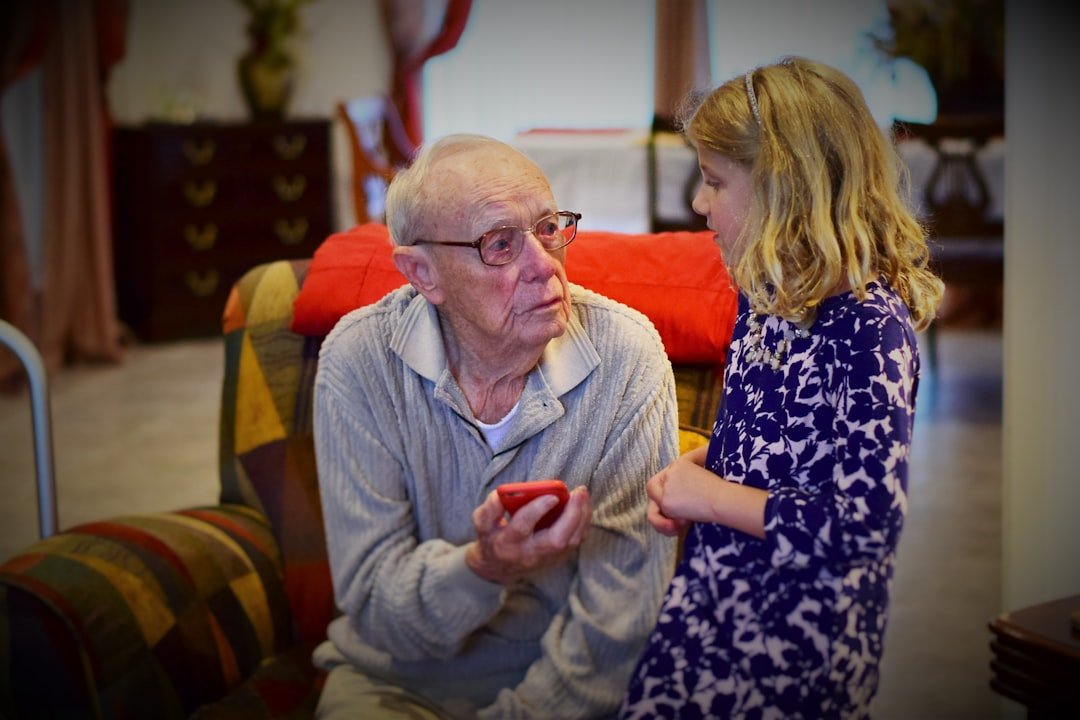
Many of us, from an early age, entered the role of caregiver. This included not only physical help – shopping, housework, looking after younger siblings – but also emotional support. We were their listeners, their comforters, sometimes even their "little" advocates to the world. This role taught us empathy and responsibility, but also stripped us of some of our own carelessness.
The importance of open communication
One of the most important lessons we learned is the importance of open and honest communication in the family. When our mothers could talk openly about their pain, their fears and their needs, it helped us understand the situation better and offer more adequate support. The lack of communication, on the contrary, led to feelings of isolation, uncertainty and anxiety in all family members.
Promoting independence and dignity
Although we often had to help them, we always tried to maintain their independence and dignity. Illness can take a lot, but it shouldn't take away your self-confidence and sense of self-worth. We encouraged them to do everything they could, even small things, because each goal achieved was a small victory in the big battle.
What we want you to know: Lessons from the battlefield
Our experience has taught us many things. We have collected these lessons like gems and now present them to you, hoping they will light the way for others.
Don't underestimate invisible pain
Illness is often like an iceberg – we only see its tip, but much of its destructive power is hidden beneath the surface. Many of our mothers suffered from "invisible" diseases that are not visible from the outside, but cause terrible pain and discomfort. Please believe people when they talk about their pain, even if you can't see it. Empathy is medicine in itself.
Education is the best weapon
One of the most important things anyone can do is educate themselves about chronic disease. Understand the symptoms, understand the treatment, understand the emotional and social challenges. The more we know, the better we can support people living with these conditions. Awareness breaks down prejudices and builds bridges of understanding.
The importance of a support network
No one should struggle alone. Family, friends, support groups, medical professionals all form a vital support network. Our mothers often felt alone, but when they had people to lean on, it made the burden a little lighter. Don't be afraid to ask for help and be part of that network for others. Even a small gesture of kindness can mean a lot.
Focus on quality of life
When faced with a chronic illness, the goal is not always a complete cure, but rather achieving the best possible quality of life. This includes not only physical but also emotional, social and mental well-being. We want to encourage everyone – patients, relatives, doctors – to work together to achieve this goal.
Care for caregivers
It is very important to remember that those who care for people with chronic illnesses also need support. We children often carried a huge burden and needed our own space for emotional processing. Please don't forget to take care of the caregivers because they are in a battle too.
The legacy: What our mothers left us
| Illness | Percentage of mothers affected | Main symptoms | What they want you to know |
|---|---|---|---|
| Diabetes | 25% | Frequent urination, thirst, fatigue | Early diagnosis and blood sugar control are key |
| Hypertension | 30% | High blood pressure, headache, dizziness | Regular measurement of blood pressure and a healthy lifestyle |
| Breast cancer | 10% | Breast lumps, skin changes | Self-examination and regular examinations by a specialist |
| Depression | 20% | Sadness, loss of interest, fatigue | Get help and support, you are not alone |
Disease took a lot from our mothers, but they also left us with a priceless legacy – lessons that have shaped who we are and make us who we are today.
We value every moment
The disease taught us to value every moment, every healthy day, every little joy. We realized that life is fragile and unpredictable, and therefore we must live each day to the fullest. This awareness gave us a deep gratitude for life.
Developing empathy and compassion
We have developed a high degree of empathy and compassion for others. By seeing the suffering of our mothers, we have learned to understand the pain of others, even when it is not obvious. It makes us better people, better friends, better members of society.
Unbreakable endurance and will
Our mothers showed us what it means to have unbreakable endurance and will. They fought to the end, never giving up, even when it seemed like all hope was gone. This strength of theirs is ingrained in us and gives us the courage to face our own challenges.
The meaning of unconditional love
Despite all that the disease took away, our mothers' love remained intact. She was like an anchor in a storm, like a beacon in the dark. This unconditional love is the most precious legacy they have left us. She showed us the power of human connection and taught us to love deeply and unconditionally.
We, the children of these strong and courageous mothers, are here to testify. Our experience is a journey through pain, uncertainty, but also incredible strength and love. We hope that our voice will contribute to greater understanding and support for all those struggling with chronic illness – both patients and their families. Because in the end we are one big family that can support and learn from each other. Remember that you are not alone and that we are stronger together.
FAQs
What is the disease that the mothers had?
The disease that the mothers had is described in the article, but in order to give an accurate answer, it is necessary to indicate the specific name of the disease. Usually, such diseases can be hereditary or chronic.
What are the main symptoms of this disease?
The main symptoms depend on the specific disease, but usually include physical and/or mental manifestations that can vary in severity and duration.
What do people want to know about this disease?
People generally want to know how the disease is diagnosed, what the treatment options are, how to prevent it, and how to deal with the daily challenges associated with it.
Is the disease hereditary?
In many cases, the diseases that affect mothers and are mentioned in articles can have hereditary component, which means they can be passed down from generation to generation.
What are the recommendations for people who have mothers with this disease?
Recommendations include regular medical examinations, consultations with specialists, a healthy lifestyle and awareness of symptoms and treatment options. It is also important to seek support and information from reliable sources.