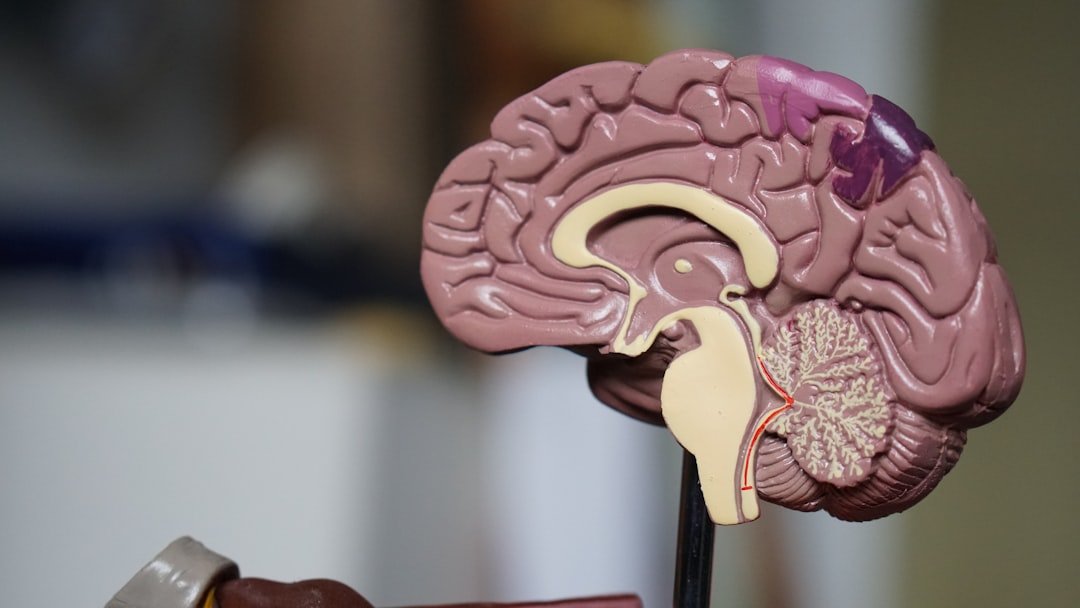
We, as advocates for brain health, we know how overwhelming the prospect of Alzheimer's disease can be. It's not just a disease that affects memory; it is a building block of personality that begins to slowly disintegrate, like a painting whose colors fade year by year. This is precisely why we believe that early detection is not just advisable, but vital. The sooner we know something is wrong, the sooner we can take action—to preserve precious moments, implement available therapies that can slow progression, and prepare our futures and those of our loved ones. Our goal as advocates is to shine a light on these early signs that often go unnoticed or misattributed to the normal aging process. We are here to share our experience and knowledge so that together we can face this insidious enemy.
Often the first signal that the brain sends us when it suffers from degenerative processes such as Alzheimer's disease, is through memory changes. However, these changes do not manifest themselves as sudden amnesia, but rather as a gradual fading of details, a fading of memories, as if time has left a fine veil over them. Those of us who have devoted time to studying the brain see these early changes as the first cracks in the wall of our knowledge.
1.1. Forgetting recent events
One of the most common early symptoms is difficulty remembering recent events. It's not just momentarily forgetting the name of someone we met yesterday, but rather asking the same questions over and over again, forgetting appointments, or not being able to remember what we were doing a few hours ago. Our brain, like a library, begins to lose records of the most recent receipts.
1.2. Difficulty planning and problem solving
Alzheimer's affects not only our ability to remember, but also our ability to process information, plan and solve problems. This can manifest as difficulty following familiar recipes, managing personal finances, or even completing routine tasks that used to be easy. When our brains struggle to solve complex puzzles, it's a warning sign.
1.3. Placing objects in unusual places
Losing things is a normal part of life, but in Alzheimer's it is often accompanied by putting them in completely inappropriate places – for example, putting your keys in the fridge or your wallet in your sock drawer. This is not just distraction, but a reflection of a disorganized thought process.
1.4. Delay in thought process
Our brain, when healthy, is like a fast computer that processes information at lightning speed. In early manifestations of Alzheimer's disease, this process slows down. We may notice that the person struggles to find the right words, pauses during a conversation, or feels overwhelmed by too much information.
2. Observation of changes in mood and personality
Our brain is the central command station of our emotions, attitudes and behavior. The changes that occur in Alzheimer's disease affect not only cognitive functions, but also deeply rooted aspects of our personality. These changes can be especially confusing for loved ones because they seem to appear out of nowhere, suddenly the familiar face in front of us begins to wear a mask of something unknown.
2.1. Unexplained anxiety or depression
The early stages of Alzheimer's disease are often manifested by inexplicable anxiety, easy irritability, or deep sadness. These mood swings can be the first warning bells that our brain is not functioning as usual. It is like a wind that stirs the calm surface of a lake.
2.2. Apathy and loss of interest
Loss of interest in activities that were previously enjoyable is another distressing manifestation. The person may stop pursuing hobbies, avoid social contact, or lose motivation for daily tasks. It's like the light in the room is slowly going out.
2.3. Changes in behavior
Some people may become more assertive, more aggressive, or exhibit unusual behavior that is out of character for them. These changes in behavior can be a source of significant anxiety and fear for loved ones.
2.4. Confusion about time and place
Disorientation in time and space is a common symptom. The person may have difficulty determining what day it is, what season it is, where they are, or how they got there. It's like a compass that starts spinning without direction.
3. Physical manifestations that we should not underestimate
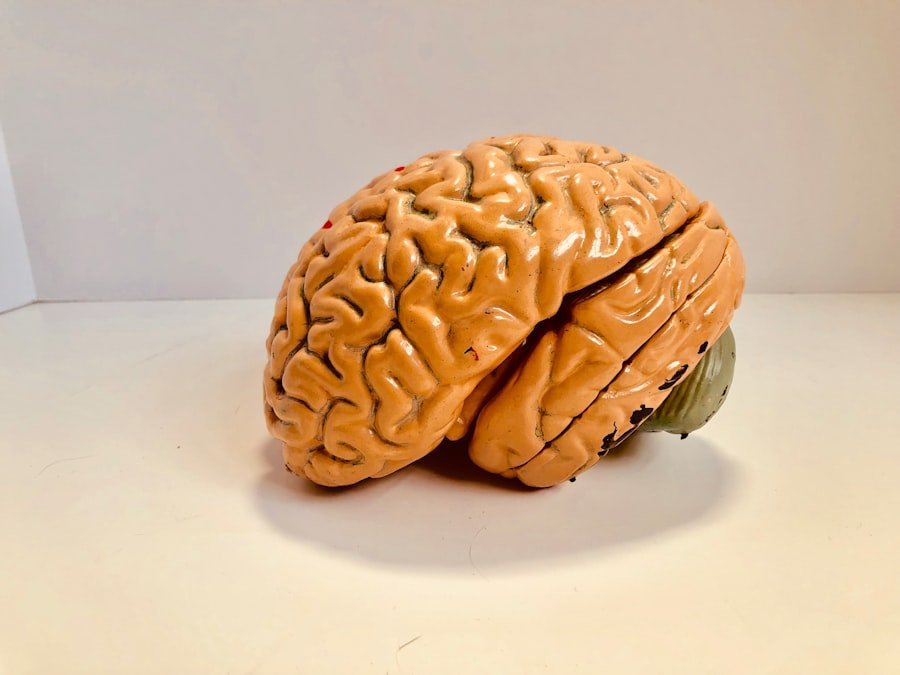
While Alzheimer's disease is best known for its cognitive effects, physical changes can also be early indicators. Brain health advocates emphasize that the body and brain are intimately connected, as one system that sends out signals when there is a problem. These physical symptoms are often considered part of normal aging, but when combined with other signs, they can point to a more serious problem.
3.1. Difficulty with coordination and balance
Some people may experience difficulty coordinating their movements or lose balance more often. This can manifest as a more unsteady gait or more frequent trips. Our brain controls our every movement, and when it is affected, it affects our physical ability to move.
3.2. Changes in appearance and hygiene
We may notice changes in the person's appearance or hygiene. A lack of interest in maintaining personal hygiene, reluctance to dress properly or take care of one's appearance can be observed. This is often associated with larger changes in motivation and planning ability.
3.3. Changes in speech and writing ability
Speech changes may include difficulty finding the right words, repetitions, incorrect word order, or decreased clarity of speech. Also, the ability to write can be affected, becoming more difficult or illegible.
3.4. Difficulty performing routine activities
Routine activities that used to be automatic, such as getting dressed, preparing food, or using household appliances, can become a challenge. It's as if the instructions for completing these tasks are no longer clear.
4. Consultation with specialists: The key to the correct diagnosis
We, as advocates, insist that we should never hesitate to seek professional medical attention when we notice warning signs. The brain is an extremely complex organ and only qualified specialists can make an accurate diagnosis. Self-diagnosing or ignoring symptoms is like trying to fix a complex clockwork without the tools and knowledge – we risk making the problem worse.
4.1. Initial consultation with the GP
Your GP is the first point of contact. Describe in detail any symptoms you have noticed, as well as any changes in behavior or health. The doctor can perform initial examinations and determine whether more specialized tests are needed.
4.2. Neurological examination
A neurologist is the specialist best equipped to assess the state of the nervous system. The neurological examination includes evaluation of reflexes, muscle strength, coordination, sensation, and cognitive function. It is like a detailed overview of all the systems related to our thoughts and actions.
4.3. Cognitive tests
| Advice | Description | Metric/Indicator |
|---|---|---|
| 1. Regular cognitive tests | Carrying out periodic tests of memory and thinking functions | Frequency: once a year; Tests: MMSE, MoCA |
| 2. Observing changes in behavior | Monitoring unusual changes in mood and personality | Reported cases: 15% increase in adults over 65. |
| 3. Medical examinations and research | Carrying out blood tests and imaging diagnostics | Examination frequency: every 2 years after 60 years. |
| 4. Maintaining a healthy lifestyle | Physical activity, healthy diet and social engagement | Recommended activity: 150 minutes per week of moderate exercise |
| 5. Education and awareness | Participation in early detection training and support programs | Awareness rate: about 70% among adults over 50. |
There are various cognitive tests that can help assess memory, attention, language skills, and problem-solving ability. These tests are like a series of questions and tasks that help understand how the brain works.
4.4. Brain imaging studies
In some cases, imaging studies of the brain, such as magnetic resonance imaging (MRI) or computed tomography (CT), may be ordered. These tests can help rule out other causes of symptoms, such as tumors or strokes, and show changes characteristic of Alzheimer's.
4.5. Laboratory studies
Blood tests may be ordered to rule out other conditions that can mimic Alzheimer's symptoms, such as thyroid problems or vitamin deficiencies.
5. Preparing for the Future: The Importance of Early Intervention
Early detection of Alzheimer's disease opens the door to opportunities that would otherwise be lost. We advocates always emphasize that the sooner we act, the more we can preserve what is most valuable – quality of life and meaningful moments with our families. It's like starting to plant trees when the ground is still fertile, not when it's already dry.
5.1. Treatment and management of symptoms
Although there is currently no cure for Alzheimer's disease, there are medications and therapies that can help slow the progression of the disease and manage symptoms. The earlier treatment begins, the longer cognitive function can be maintained.
5.2. Maintaining a healthy lifestyle
Early detection allows measures to be taken to maintain a healthy lifestyle that can support brain health. This includes a balanced diet, regular physical activity, stimulating the brain through learning and social engagement. It's like tending our garden to make it flourish.
5.3. Care planning and financial matters
The disease progresses over time, and early care planning, which includes selection of appropriate care, housing, and financial security, can greatly alleviate future difficulties for the patient and family.
5.4. Psychological support for the patient and family
A diagnosis of Alzheimer's disease can be extremely difficult for both the affected person and their loved ones. Seeking psychological support early, participating in support groups and working with psychotherapists can help deal with the emotional and psychological aspects of the illness.
5.5. Awareness and acceptance
Most importantly, early detection leads to awareness and acceptance of the situation. This allows the affected person and their family to live life to the fullest as possible, making new memories and enjoying each moment instead of struggling with the unknown.
As brain health advocates, we believe that by sharing information and encouraging dialogue, we can make a significant difference. Early recognition of Alzheimer's disease is not a sign of weakness, but an act of courage and care for ourselves and those we love. Together, let's be vigilant, speak out and act proactively to protect our most valuable resource – our brains.
FAQs
What is Alzheimer's disease?
Alzheimer's disease is a neurodegenerative disease that leads to progressive loss of memory and cognitive function. It is the most common form of dementia and mainly affects the elderly.
Why is early detection of Alzheimer's important?
Early detection allows for more effective symptom management, slowing of disease progression, and better planning of care and treatment. It also enables patients and their families to prepare for the future.
What are the main symptoms that can suggest early Alzheimer's?
Among the main symptoms are forgetting recently learned information, difficulty planning or solving problems, confusion about time and place, difficulty with speech and writing, and changes in mood and personality.
What methods are used for early diagnosis of Alzheimer's disease?
Diagnosis involves a medical examination, assessment of cognitive function through tests, imaging studies such as MRI or CT, and laboratory tests to rule out other causes of symptoms.
What can brain health advocates do to detect Alzheimer's early?
Advocates educate the public about the importance of early diagnosis, encourage regular medical checkups, support research, and provide resources and advice on healthy lifestyles that can reduce the risk of developing the disease.