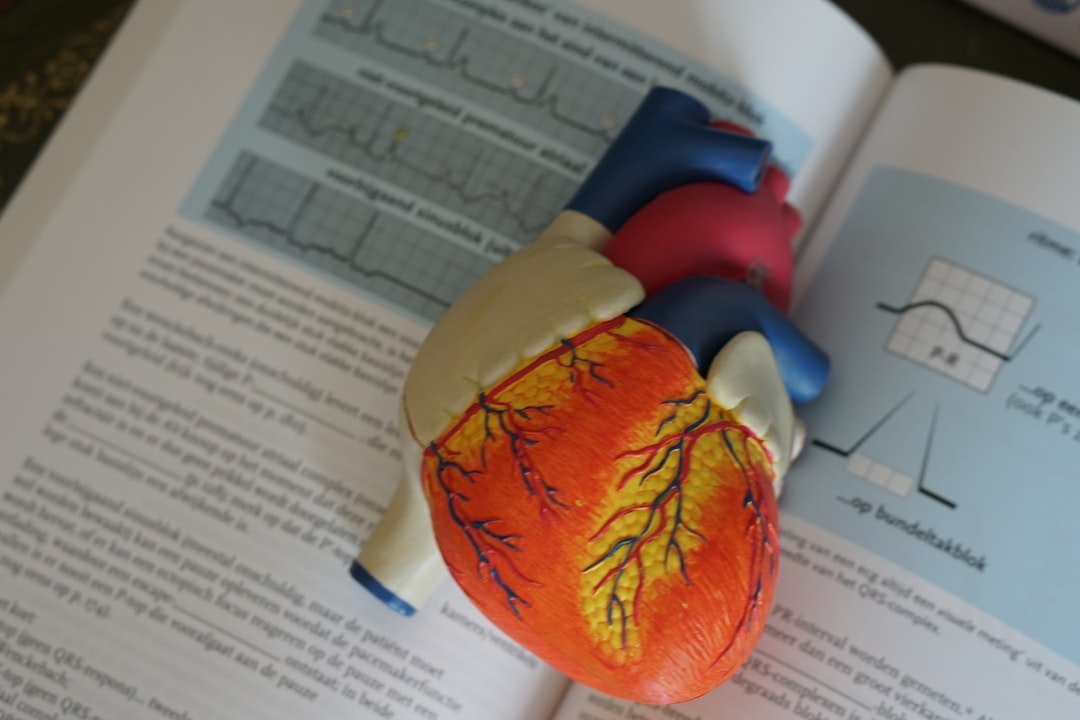
A heart attack, medically called a myocardial infarction, is an emergency condition in which part of the heart muscle is damaged or dies due to insufficient blood supply. This usually happens when a blood clot blocks one of the coronary arteries that supply blood to the heart. Recognizing symptoms and responding quickly are essential to survival and minimizing damage to the heart. Even with incomplete certainty, insisting on medical help can prove decisive.
Early recognition of heart attack symptoms is key to rapid response. Symptoms can vary greatly between people and even in the same person in different situations. It is important to pay attention to any new or unusual sensations, especially if they are related to the chest, arms or jaw.
Typical symptoms
- Chest pain: This is the most common symptom. It is described as pressure, tightness, burning or heaviness in the center of the chest. It may radiate to the left arm, back, neck, jaw, or stomach. Some patients describe it as "an elephant stepping on my chest". The pain may be constant or come and go.
- Dyspnea (shortness of breath): A feeling of shortness of breath that may precede or accompany chest pain. It can occur even at rest.
- Cold sweat: Sudden sweating, often accompanied by cold and clammy skin.
- Anxiety or fear: Feelings of doom, panic, or intense fear.
- Nausea and vomiting: Especially in women, a heart attack can present with nausea, vomiting, or stomach discomfort that can be mistaken for digestive problems.
Atypical symptoms
- Painless heart attack: Some people, especially diabetics and the elderly, can have a heart attack without obvious chest pain. Symptoms may only include shortness of breath, fatigue, nausea or general malaise.
- Pain in other parts of the body: Sometimes heart attack pain can be felt only in the left arm, back, neck or jaw, without severe chest pain.
- Fatigue: Unusual and unexplained fatigue, especially in women, can be a harbinger of a heart attack.
- Dizziness or fainting: Dizziness, vertigo, or short-term loss of consciousness.
If one or more of these symptoms are observed, especially if they are new or severe, medical attention should be sought immediately. Time is of the essence.
Immediate response and first steps
When you suspect a heart attack, every second counts. The goal is to provide the fastest possible access to specialized medical care. Don't wait for symptoms to go away or get worse.
Call 112 immediately
- Without delay: This is the most important step. Call the emergency number 112 (or the equivalent emergency number in your country). Do not attempt to drive to the hospital alone or rely on someone else to drive you. Medical personnel in the ambulance can begin life-saving procedures during the journey.
- Describe the symptoms: When speaking with the operator, be clear and concise. Describe where you are, what you are feeling, and how long the symptoms have been going on. Emphasize that you suspect a heart attack.
- Stay tuned: After you have called, stay on the line until the operator tells you that you can hang up. He may give you further instructions or ask clarifying questions.
Position and medication intake
- Relax: Sit or lie in a comfortable position. Loosen any tight clothing. Try to stay calm as much as possible. Panic can make the condition worse.
- Aspirin: If you are not allergic to aspirin and are not contraindicated by a doctor, chew one aspirin tablet (150-325 mg, unbuffered). Aspirin helps thin the blood and reduces the formation of clots, which can limit damage to the heart muscle. Do not take aspirin if you have already been diagnosed with a stomach ulcer, bleeding or have taken other anticoagulants without a doctor's prescription.
- Nitroglycerin: If your doctor has prescribed nitroglycerin for angina pectoris (chest pain), take the prescribed dose. Nitroglycerin dilates blood vessels and can improve blood supply to the heart, relieving pain. Do not use foreign nitroglycerin.
- Do not take other medicines: Avoid taking other medications or supplements unless specifically prescribed by a doctor for such a situation.
The role of the ambulance and hospital treatment
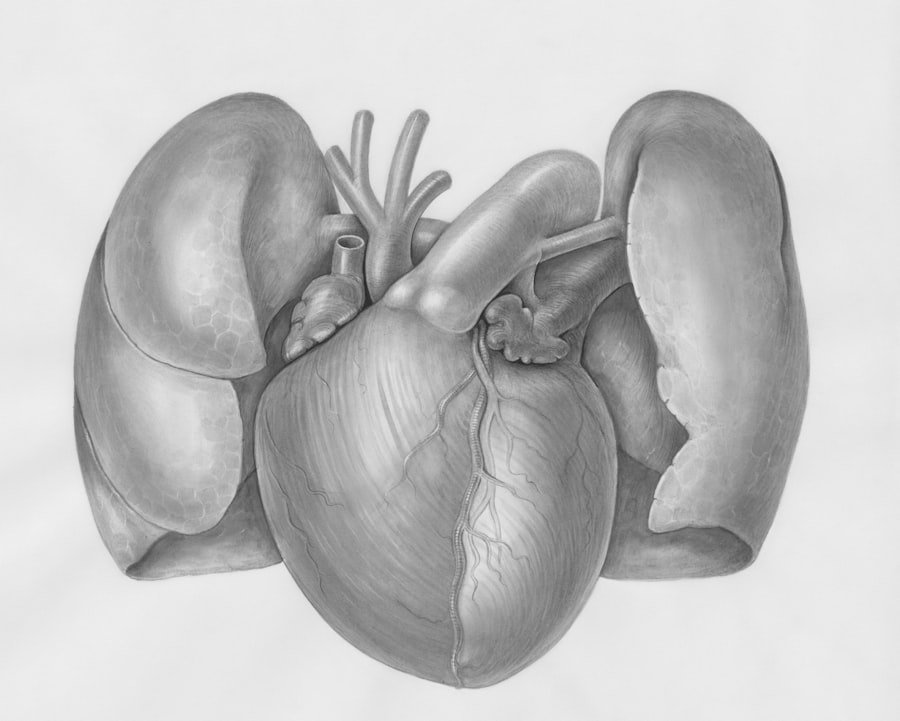
Once you call 112, the emergency team takes over. They will take measures to stabilize the condition and prompt transport to an appropriate hospital facility.
Emergency on site
- Assessment and ECG: Upon arrival, the medical team will make a quick assessment of your condition. A key element of this evaluation is an electrocardiogram (ECG), which can show if a heart attack is present and what type it is.
- Oxygen and medications: You may be given oxygen if you are short of breath. Other medications may also be administered, such as morphine for pain relief or other medications to stabilize heart rate and blood pressure.
- Fast shipping: The goal is to be transported as quickly as possible to a hospital that has a cardiology department and the option of percutaneous coronary intervention (PCI), a procedure to open the blocked artery.
Hospital treatment
- Coronary angiography and stenting: This is the standard procedure for treating acute myocardial infarction. A catheter is used to reach the coronary arteries, the blockage is identified, and a stent (a small mesh tube) is inserted to widen the artery and restore blood flow. The time from when you arrive at the hospital to when the occluded artery is opened is called "door-to-balloon time" and is critical to a good outcome.
- Thrombolytic therapy: In some cases, when emergency angiography is not possible in a timely manner, thrombolytic therapy may be administered. These are drugs that dissolve the blood clot.
- Drug treatment: After a heart attack, a number of drugs are prescribed to prevent future events, such as anticoagulants (blood thinners), beta-blockers (to reduce the workload on the heart), ACE inhibitors (to improve heart function) and statins (to reduce cholesterol).
Recovery and prevention
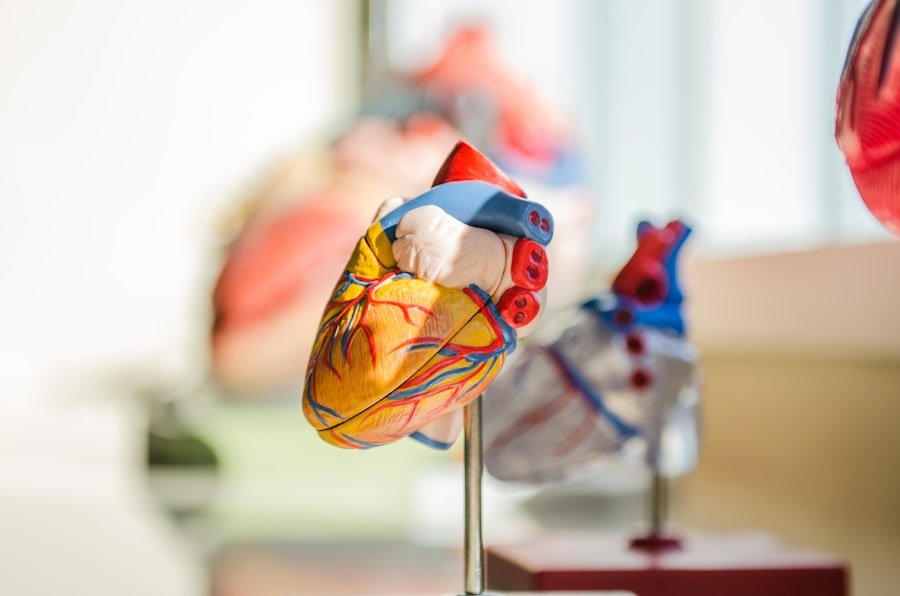
After experiencing a heart attack, recovery is a process that requires both medical monitoring and lifestyle changes. Prevention of a second heart attack is extremely important.
Rehabilitation
- Cardiac rehabilitation: It's a program that starts in the hospital and continues afterward. It includes controlled physical exercises, training for a healthy lifestyle, consultations with a nutritionist and a psychologist. The goal is to improve heart function, reduce risk factors, and return to a full life.
- Psychological support: Experiencing a heart attack can be traumatic. Many experience anxiety, depression or fear of another heart attack. Psychological support, including counseling or support groups, can be very helpful.
Lifestyle changes
- Healthy eating: Eat a diet rich in fruits, vegetables, whole grains, fish, and low-fat dairy products. Limit saturated and trans fats, salt, sugar and processed foods.
- Regular physical activity: Maintain moderate physical activity, consistent with your capabilities and the doctor's recommendations. Walking, swimming or cycling are good options.
- Stop smoking: Smoking is one of the main risk factors for heart disease. Rejection is vital.
- Blood pressure and cholesterol control: Regularly monitor and control your blood pressure and cholesterol levels as directed by your doctor.
- Diabetes control: If you are diabetic, strict blood sugar control is essential.
- Stress Management: Learn stress management techniques such as meditation, yoga or breathing exercises.
Insisting on seriousness
| Metric | Description | Meaning |
|---|---|---|
| Reaction time | Time from onset of symptoms to seeking medical attention | The faster, the better chance of survival |
| Heart attack symptoms | Chest pain, shortness of breath, sweating, nausea | Early recognition helps to respond quickly |
| Persistence with the medical staff | A demand to be taken seriously even when in doubt | It can speed up diagnosis and treatment |
| Survival rate | Probability of survival with rapid response | It can be greatly increased with timely help |
| Average time for emergency services to arrive | Average time for an ambulance to arrive after a call | Usually 8-15 minutes, critical to save a life |
One of the biggest risks is the underestimation of symptoms, both by the patient and the medical staff. Women, young people, and people with atypical symptoms often face challenges in receiving an adequate and timely diagnosis.
Why women are at greater risk of delayed diagnosis
- Atypical symptoms: Women more often experience atypical symptoms of a heart attack, such as shortness of breath, nausea, vomiting, back or jaw pain, and fatigue, instead of the classic severe chest pain.
- Misinterpretation: These symptoms are often mistaken for other conditions, such as anxiety, digestive problems, or the flu.
- Lack of awareness: There is less public awareness of how a heart attack manifests itself in women.
- Prejudice: In some cases, due to gender biases, women's symptoms may not be taken as seriously as men's.
How to insist on being taken seriously
- Be persistent: If you feel that something is wrong and suspect a heart attack, don't hesitate to make your concerns clear to the medical staff. Say directly, "I think I'm having a heart attack," or "I'm worried it might be a heart problem."
- Describe the symptoms clearly: Be specific when describing your symptoms. Mention the duration, intensity, and radiation of the pain or discomfort.
- Insist on an EKG: An EKG is a quick and non-invasive test that can provide valuable information. If it's not offered to you right away, ask for it.
- Don't ignore your feelings: Your body is giving you signals. Trust your gut, especially if symptoms are new, unusual, or intense.
- Get informed: Be aware of heart attack symptoms, both typical and atypical. This will give you the confidence to act and push for the right treatment.
Life is fragile and can turn upside down in an instant. In the event of a heart attack, your speed of reaction and your determination to be taken seriously can be the difference between severe damage and a full recovery. Don't underestimate the symptoms and don't be afraid to seek help. Your health is your priority.
FAQs
What are the main symptoms of a heart attack?
The main symptoms of a heart attack include severe chest pain or pressure that may spread to the arms, back, neck or jaw, difficulty breathing, sweating, nausea and dizziness. It is important to react quickly when these signs appear.
What should I do if I suspect I'm having a heart attack?
If you suspect a heart attack, call 911 immediately. Do not attempt to drive yourself to a hospital. While waiting for help, sit or lie down and try to stay calm.
Why is it important to insist on being taken seriously for heart attack symptoms?
Responding quickly and insisting on being seen urgently can save your life as time is critical in a heart attack. Delay can cause serious heart damage or death.
What should I not do if I think I am having a heart attack?
You should not ignore the symptoms or try to overcome them yourself with drugs without consulting a doctor. Also, do not drive yourself to the hospital, as the condition may worsen suddenly.
What are the recommendations of doctors to prevent a heart attack?
Doctors recommend a healthy lifestyle, including a balanced diet, regular physical activity, smoking cessation, blood pressure and cholesterol control, and regular medical examinations for early detection of risk factors.