We, as humans, are often obsessed with the idea of longevity. For centuries, all civilizations have sought an elixir of eternal youth, and modern science continues to explore methods of extending human life. Recently, a study has refocused our attention on a familiar but sometimes underappreciated practice: physical activity. This time, the focus is on a specific type of exercise that, according to research, "can add years to your life." Let's take a closer look at this statement and find out how we can integrate these secret keys to a longer and more fulfilling life into our daily lives.
Imagine holding a card in your hands that shows you the way to a longer life. This is, albeit metaphorically, what such studies offer us. They do not promise immortality, but rather increase the likelihood of a longer period of healthy life. The particular study we're talking about joins a growing body of evidence that highlights the inextricable link between movement and longevity.
Methodology and scope
To understand the true weight of these claims, it is important to look under the hood of the methodology. Most of these studies are large-scale, long-term cohort studies, which tracked thousands of participants over decades. They collect data about their habits, including diet, physical activity level, medical history and lifestyle. They use statistical models to eliminate the influence of other factors (such as age, sex, socioeconomic status, genetic predisposition and presence of chronic diseases) and isolate the effect of the specific type of exercise. In this way, the results become more convincing and less susceptible to random coincidences. Some of the studies also used randomized controlled trials, which, although more difficult to conduct in the context of longevity, provide the strongest level of evidence.
Key findings and statistical significance
The main finding of the study is that regular participation in this type of exercise is associated with significant risk reduction from premature mortality from all causes. "Significant" here is not just an adjective; it is supported by statistics showing a reduction in risk of 15% to 30% or even more, depending on the intensity and duration of the activity. This is similar to the effect that quitting smoking or successfully controlling high blood pressure would have. We see that this is not some minimal effect, but rather a fundamental contribution to our health and longevity.
Specificity of exercises leading to longevity
Now comes the most interesting part: what exactly is this type of exercise? Let's reveal it. The study directs our attention to intense interval training (HIIT), as well as to strength training. Both categories, while different, share common mechanisms that make them so effective.
High intensity interval training (HIIT)
Imagine that your body is an engine. HIIT is like pushing it for short periods, then letting it cool down before pushing it again. This "pulsating" work of the cardiovascular system has many benefits.
Mechanism of action
HIIT improves aerobic capacity by stimulating mitochondrial biogenesis – literally the creation of new energy factories in our cells. Increases VO2 max - the maximum amount of oxygen the body can use during intense exercise. This is a direct indicator of cardiovascular health. Additionally, HIIT improves insulin sensitivity, reduces inflammation, and helps manage blood sugar more effectively. All of these factors are key to preventing life-shortening metabolic diseases like type 2 diabetes.
Examples and practical application
HIIT can be applied to almost any form of cardio: running, cycling, swimming, jumping rope. For example, 30 seconds of sprinting followed by 60-90 seconds of slow running or walking, repeated 5-10 times. It can be done 2-3 times a week, starting slowly and gradually increasing the intensity. It is important to listen to your body and not overdo it, especially in the beginning.
strength training
If HIIT is for the engine, then strength training is for the frame and body of the car – the muscles, bones and connective tissue. They keep the structure strong and functional.
Mechanism of action
Strength training doesn't just build muscle; they improve bone density (prevents osteoporosis, a common cause of fractures in the elderly), improve metabolism by increasing basal metabolism, and help control weight. Muscle is a metabolically active tissue that burns calories even at rest. In addition, strong muscles improve posture, balance and coordination, which reduces the risk of falls – a leading cause of injury and death in adults. They also help regulate blood sugar and reduce inflammation.
Examples and practical application
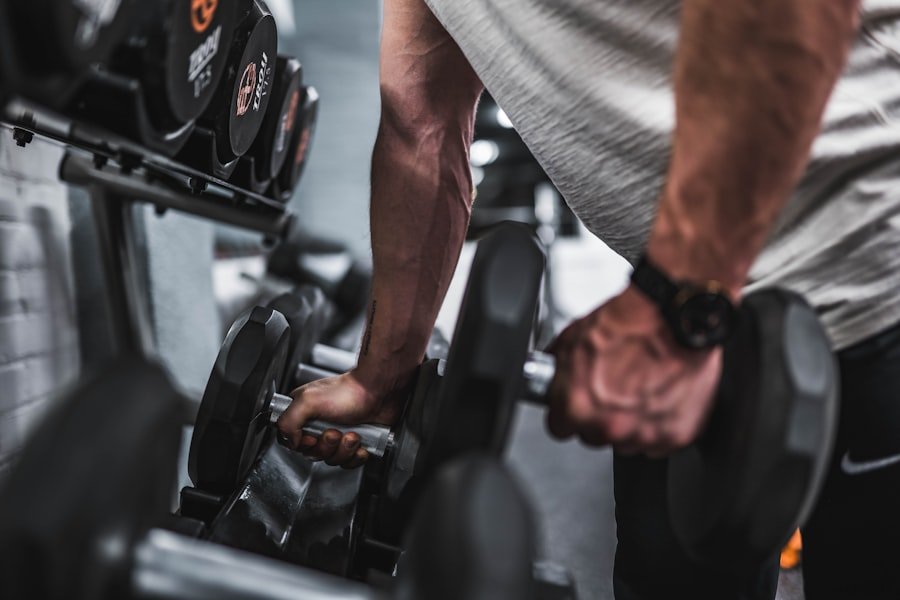
Examples include weight lifting (with dumbbells, barbells, bands), using machines in the gym, body weight exercises (push-ups, squats, lunges, plank). It is recommended 2-3 times a week, loading all the main muscle groups. Start with lighter weights and more repetitions, then gradually increase the weight and decrease the repetitions as your strength increases.
Benefits of combining these types of exercise
Imagine you have an instrument that is good and another that is also good. Will you be more effective if you learn to use them together? Absolutely. Combining HIIT and strength training is proving to be the most powerful formula for a long and healthy life.
Synergistic effect
Synergy means that the effect of combined activities is greater than the sum of their individual effects. HIIT improves cardiovascular endurance and metabolism, while strength training builds muscle mass, improves bone density and functional strength. When we combine them, we don't just add benefits, we multiply them. We have a stronger heart and stronger muscles, a better metabolism and a higher resistance to disease.
A holistic approach to health
It's like having a well-organized orchestra. All instruments work in harmony. Combination workouts address different aspects of physical health, offering a comprehensive shield against aging and related diseases. They improve not only physical, but also mental health, reduce stress and improve cognitive functions - all of which contribute to a better and longer life.
How to start and keep active?

The road to longevity is not a sprint, but a marathon. To make it to the finish, we need to start smart and stay on track. Take your time, listen to your body and be consistent.
Gradually increase the load
Imagine you are a beginner mountaineer. You won't go directly to the high peak, will you? You'll start with easy hikes and gradually increase the difficulty. The same goes for training. Start with 1-2 sessions of each type per week, with a moderate intensity. After a few weeks, when your body adapts, you can gradually increase the number of sessions, their duration or intensity. It's important not to push yourself and avoid overtraining, which can lead to injury and failure.
Tips for motivation and consistency
Motivation is like fire – it needs to be fueled. In order not to lose the flame, we offer you several strategies:
Find a workout partner
Having someone to train with can be a powerful motivator. Mutual encouragement and accountability to one another greatly increases the chances of consistency. Plus, it makes training more fun.
Variety in training
Monotony can be boring and demotivating. Try different types of HIIT – cycling one day, sprinting another. Combine strength training with bodyweight exercises. Include new moves and challenges. This not only keeps interest alive, but also stimulates different muscle groups, leading to more holistic development.
Set realistic goals
Don't try to become an Olympic champion overnight. Set small, achievable goals, such as exercising 3 times a week for 30 minutes. When you achieve them, you will feel satisfied and motivated to keep going. Gradually increase the difficulty until you reach the desired level.
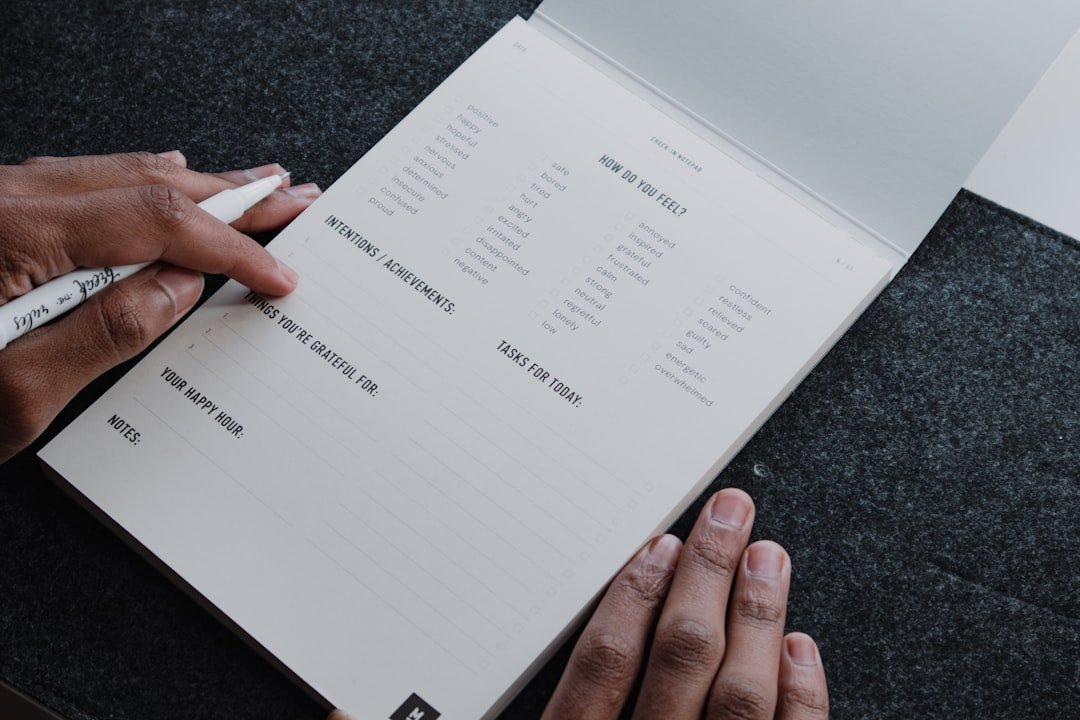
Keep a log of your progress
Record when you exercise, how long, how many reps or weights you used. Seeing your tangible progress will give you the confidence and motivation to keep going. It's like marking kilometers on a map - you can clearly see how far you've traveled.
Reward yourself
Not for food! But for your achievements. Buy a new sports team, read a book, watch a movie. Reward your efforts to associate exercise with positive emotions.
Make it part of your routine
The best way to stick with something is to make it a habit. Set specific days and times for training and stick to them. After a few weeks, your body and mind will expect these moments.
Consultation with a specialist
Before starting a new intense exercise program, especially if you have existing health problems or are over a certain age, it is wise to consult a doctor or qualified fitness instructor. They can help you put together a safe and effective program tailored to your individual needs and abilities. Don't skip this step. She is your seat belt.
Impact on quality of life and health
| Type of exercise | Average life extension (years) | Frequency of execution | Main benefits |
|---|---|---|---|
| Cardio workouts | 3-5 | 3-5 times a week | Improving the cardiovascular system, burning calories |
| Strength exercises | 2-4 | 2-3 times a week | Increasing muscle mass, improving metabolism |
| Yoga and stretching | 1-3 | 2-4 times a week | Improve flexibility, reduce stress |
| Interval training | 4-6 | 2-3 times a week | Improved endurance, accelerated metabolism |
Let's not think of longevity just in terms of years. The quality of those years is just as important, if not more so. What's the point of living longer if we're bedridden or in constant pain? The good news is that these exercises improve not only the duration but also the quality of life.
Reduced risk of chronic diseases
Cardiovascular diseases
HIIT and strength training strengthen the heart, improve the elasticity of blood vessels and regulate blood pressure, significantly reducing the risk of heart attack, stroke and other cardiovascular problems.
Type 2 diabetes
Improved insulin sensitivity and blood sugar control achieved through physical activity are powerful weapons against the development of type 2 diabetes and its complications.
Some types of cancer
Research shows that regular physical activity can reduce the risk of developing certain types of cancer, such as colon, breast and endometrial cancer, by modulating hormone levels, reducing inflammation and improving immune function.
Osteoporosis
Strength training has been shown to be effective in increasing bone density and preventing bone loss, which is essential in reducing the risk of osteoporosis and related fractures.
Improving cognitive functions
Physical activity is like fertilizer for the brain. It increases blood flow to the brain, stimulates the release of neurotrophic factors (such as BDNF) that support the growth of new brain cells and improve communication between neurons. This leads to better memory, better concentration and faster thinking. Some studies even suggest that it may slow the progression of neurodegenerative diseases such as Alzheimer's and Parkinson's.
Mental health and mood
Exercise is a powerful antidepressant and stress reducer. They stimulate the release of endorphins – natural chemicals that induce feelings of euphoria and improve mood. Regular physical activity helps manage anxiety, reduces symptoms of depression and improves sleep quality. A healthy brain in a healthy body - isn't that what we strive for?
Long-term perspective and challenges
The road to longevity is a journey, not a one-time destination. It requires dedication, adaptability and an understanding of the long-term benefits.
Integration into the modern way of life
In today's fast-paced world where time is a luxury, incorporating regular exercise can seem like an overwhelming task. But we have to change our perspective. They are not a luxury, but an investment in your future. You can break up workouts into shorter, more manageable sessions throughout the day. For example, a 10-minute HIIT session in the morning, a 10-minute walk at noon, and 10 minutes of strength training in the evening. Small steps lead to big progress.
Challenges facing the elderly
As we age, the body undergoes changes. Muscle mass decreases (sarcopenia), bones become more fragile, and the risk of injury increases. But that doesn't mean we should stop exercising. On the contrary, it is JUST as important, if not more so, for seniors to stay physically active. Of course, the approach needs to be adapted.
Adapted programs
The focus should be on functional strength, balance and flexibility to prevent falls and maintain independence. Low-impact exercise such as swimming, walking, yoga and tai chi are excellent. Strength training with lighter weights and more repetitions is also key.
Safety
It is always important to consult a doctor before starting a new program. Be careful with the intensity, listen to your body and don't hesitate to change exercises if they cause pain.
In conclusion, the study that claims "this kind of exercise can add years to your life" is not just a new sensation, but a confirmation of decades of accumulated knowledge. High intensity interval training (HIIT) and strength training, especially when combined, offer a powerful cocktail of benefits that improve not only the length but also the quality of our lives. Let's take this path. Let's make movement our faithful companion on the journey to a long, fulfilling and healthy life. Because at the end of the day, the best investment we can make is in our own health.
FAQs
What kind of exercise can add years to life?
Studies show that regular aerobic exercise such as walking, running, swimming and cycling can increase life expectancy.
How often should these exercises be done?
It is recommended to do at least 150 minutes of moderate physical activity or 75 minutes of vigorous activity per week, spread over several days.
What are the health benefits of these exercises?
This type of exercise improves the cardiovascular system, reduces the risk of chronic diseases, improves mood and increases general physical endurance.
Can these exercises help with chronic diseases?
Yes, regular physical activity can help control diabetes, high blood pressure and other chronic conditions while improving quality of life.
Are there any age restrictions for starting these exercises?
No, exercise is suitable for all ages, but it is important to consult a doctor before starting, especially if you have health problems.