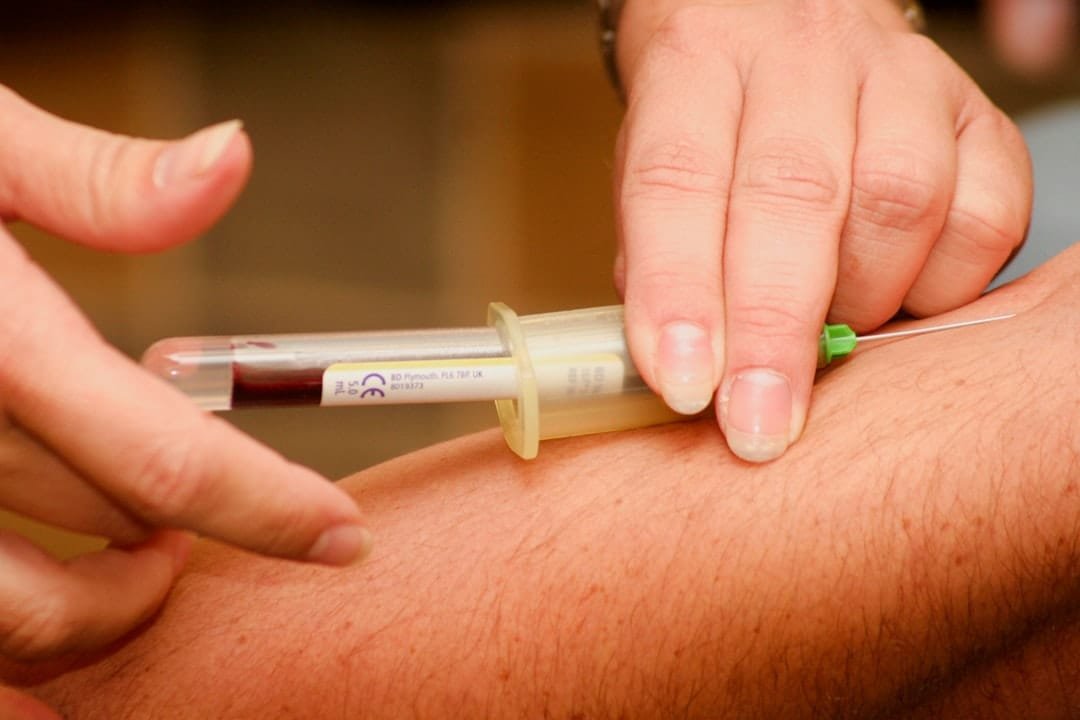
When it comes to falls and injuries, immediate medical attention is essential. Falls can result in a variety of injuries ranging from minor bruises to serious fractures or even internal injuries. It's important to realize that even if we don't feel pain right away, it doesn't mean we haven't suffered a serious injury.
Some trauma, such as concussions or internal bleeding, can manifest over time and lead to complications if not treated in time. Immediate medical intervention can prevent the condition from worsening and ensure proper treatment.
It is important not to underestimate the symptoms and seek help, even if at first glance it seems that everything is fine.
Summary
- Immediate medical attention in cases of falls and injuries is crucial for the quick recovery of the victim
- Serious trauma after a fall can be recognized by symptoms such as severe pain, immobility, or abnormal bone bending
- Before the ambulance arrives, it is important to ensure the victim's safety and to stop the bleeding, if any
- When providing first aid for falls and trauma, basic principles such as not moving the victim and stopping bleeding must be followed
- Care of the casualty after a fall includes monitoring for symptoms of shock, maintaining a comfortable position, and reassuring the casualty
How to recognize serious injury after a fall
Recognizing the serious injury after a fall is key to providing timely help. Initially, we can observe visible signs of injury, such as swelling, bruising or deformities of the limbs. It is important to pay attention to any unusual symptoms, such as severe pain, difficulty moving or loss of sensation in certain areas.
These signs may signal serious injuries that require immediate medical attention. In addition to physical symptoms, we can also observe behavioral changes in the victim. Fear, confusion, or even loss of consciousness can be indicators of a more serious condition.
It is important to remain calm and assess the situation objectively so that we can provide the necessary assistance and seek medical attention if necessary.
What to do before the arrival of the ambulance

While we wait for emergency services to arrive, there are several important steps we can take to ensure the victim's safety. First, we need to make sure that the scene of the accident is safe and that there is no risk of further falls or injuries. If possible, we can move the injured person to a safe place, but only if this does not worsen their condition.
After that, it is important to observe the victim and assess his condition. We can check for signs of shock, such as pale skin, cold sweats, or a rapid heart rate. If the victim is conscious, we can calm them down and ask them to remain still to avoid further injury.
It is also important not to give food or drink to the victim, as this can be dangerous if surgery is required.
How to provide first aid for falls and injuries
Providing first aid for falls and trauma is critical to minimizing the consequences of the incident. The first step is to assess the situation and make sure we are safe. We can then check the casualty for visible injuries and assess their condition.
If we notice serious injuries, such as open wounds or deformities, we must seek medical attention immediately. If the injured person is conscious and able to speak, we can ask them how they feel and where they feel pain. It is important to remain calm and confident in order to calm the victim.
If there is bleeding, we can gently apply pressure to the wound with a clean cloth or bandage. In case of a fracture, we should try to stabilize the affected limb with an improvised splint, but without moving the victim too much.
How to care for the victim after a fall
After the victim has received the necessary medical assistance, care for him continues at home. First, it's important to watch for signs of complications or worsening of his condition. We can regularly check the wounds for signs of infection, such as redness or swelling.
It is also important to follow the doctor's instructions regarding treatment and recovery. In addition to physical care, we must also pay attention to the emotional state of the victim. Falls can be stressful and traumatic experiences that can lead to fear or anxiety.
We can offer support and understanding by encouraging the victim to share their feelings and concerns. It is important for him to know that he is not alone in this process and that there are people around him ready to help.
What are the risks of ignoring trauma after a fall?
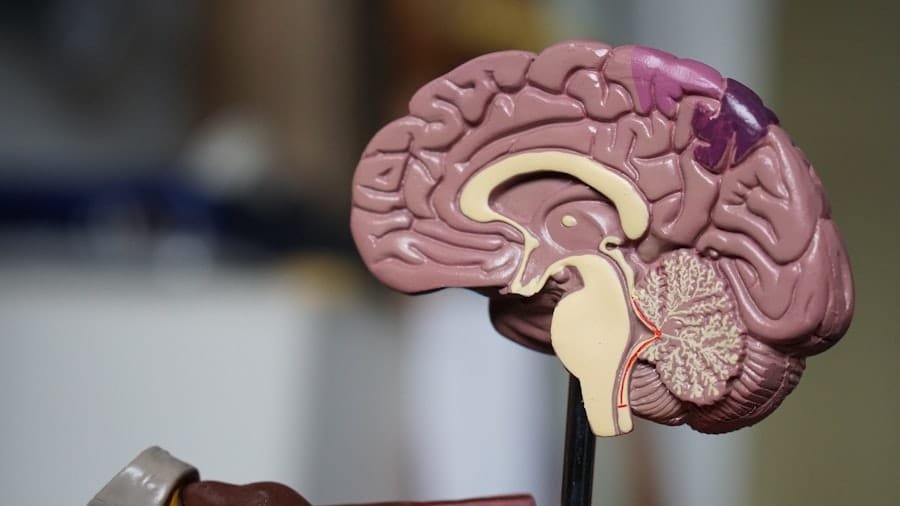
Ignoring the trauma after a fall can lead to serious consequences for our health. Many people underestimate the symptoms and decide not to seek medical help, which can lead to complications. For example, fractures or tissue tears may worsen over time and require more complex treatment or even surgery.
Aside from the physical risks, ignoring trauma can also negatively affect our mental health. Fear of falling again or being injured can cause you to avoid certain activities or social situations. This can significantly reduce our quality of life and even lead to depression or anxiety.
Therefore, it is important to always take any injury seriously and seek medical help promptly.
How to prevent falls and injuries in the future
Preventing falls and injuries requires a proactive approach to our safety. The first step is to be aware of the risks in our environment. We can regularly check our home for potential hazards, such as slippery floors or unlit stairs.
Installing anti-slip surfaces and providing good lighting can significantly reduce the risk of falls. It is also important to keep fit through regular physical activity. Balance and strength exercises can greatly improve our coordination and stability.
We can also educate ourselves about safety when doing everyday activities, such as carrying weights or working in the garden. By taking a proactive approach, we can significantly reduce the risk of falls and injuries in the future.
How to deal with fear and stress after a fall
After a fall, it is normal to feel fear and stress. However, it is important that these feelings do not paralyze or limit us in our daily lives. The first step to dealing with these feelings is to be aware of them and accept them as a normal reaction after a traumatic experience.
We can also talk to loved ones or mental health professionals about our experiences and fears. Practicing relaxation techniques, such as meditation or deep breathing, can also help reduce stress and anxiety after a fall. Participating in support groups or therapy sessions can further help us in the recovery process.
By actively working on our mental health, we can not only overcome the fear of falling, but also return to our normal lives with new confidence.
FAQs
What should I do in the event of a fall or injury?
In the event of a fall or injury, it is important to seek medical attention immediately. Even if the symptoms do not seem serious, it is important to consult a medical professional to rule out any risk.
What are the common symptoms after a fall or injury?
Common symptoms after a fall or trauma can include pain, swelling, bruising, injuries, and difficulty moving. Other symptoms are possible and may vary depending on the type of injury.
What are the possible consequences of a fall or injury?
The possible consequences of a fall or injury vary depending on the severity of the injury. These can include organ dysfunction, chronic pain, tissue damage, and other serious problems.
What are the best ways to prevent falls and injuries?
Some of the best ways to prevent falls and injuries include maintaining safety at work and at home, wearing appropriate protective gear during sports and physical activities, and avoiding risky behaviors.