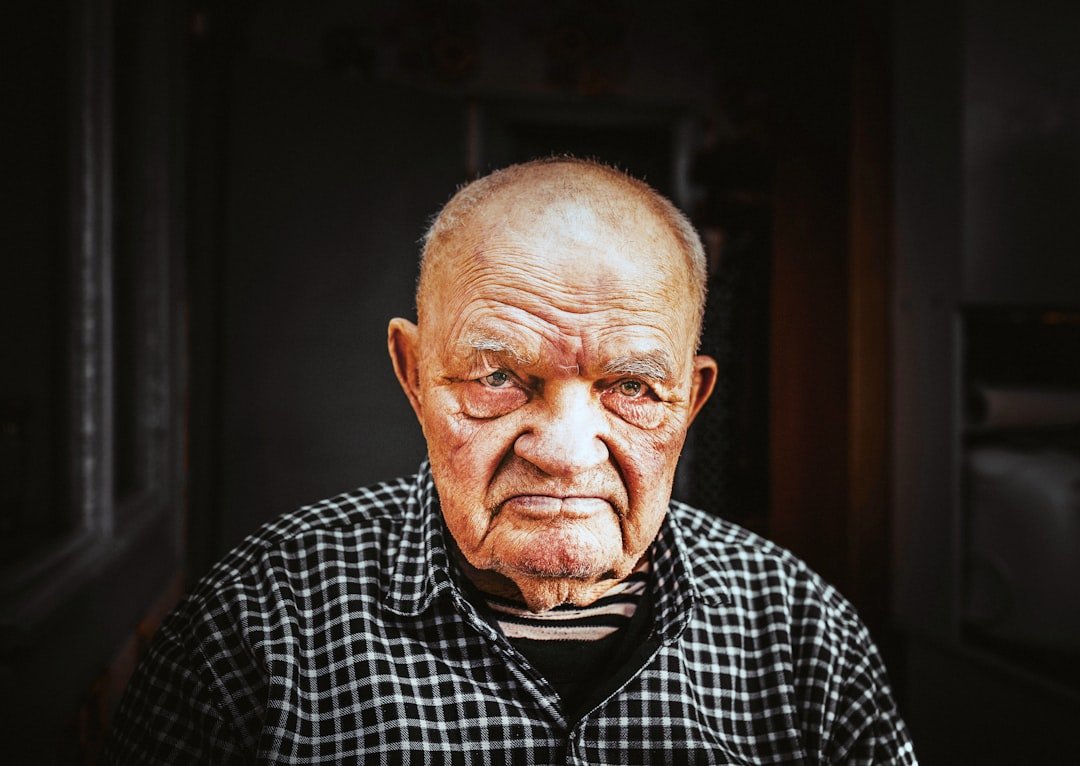
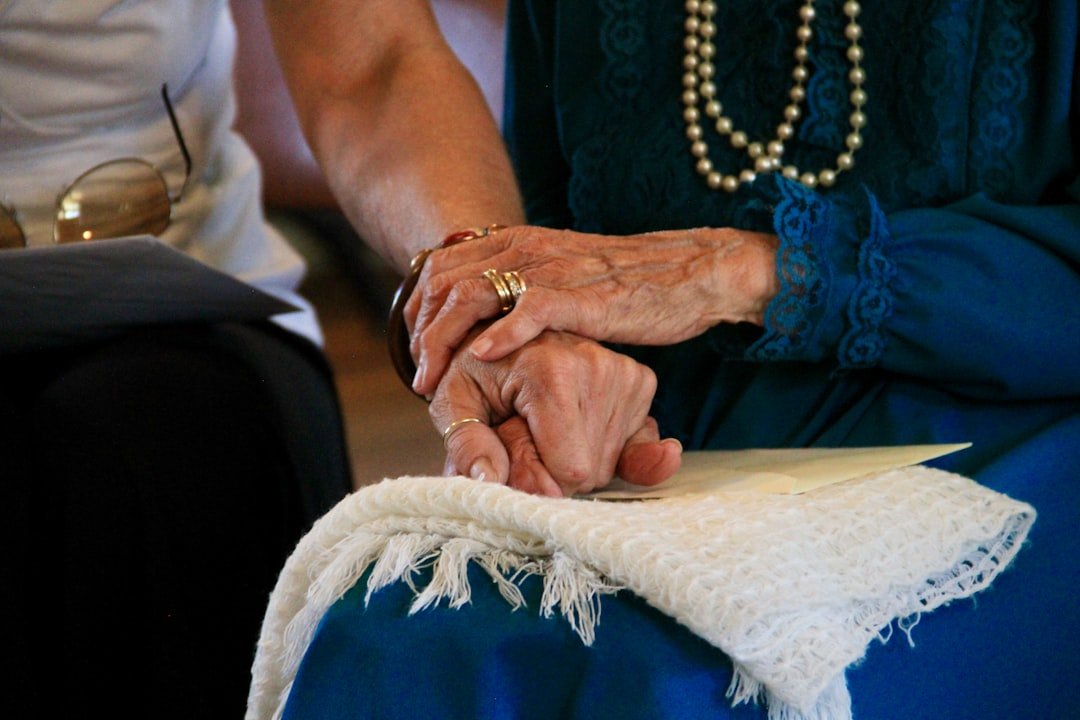
Today we will look at one of the most invisible but critical problems in our society. The feeling of detachment it can change the life of any person, regardless of their age. Unfortunately, those over a certain age are most vulnerable.
According to latest data, the reduction of daily contacts leads to serious mental health consequences. This is not just a temporary discomfort – the lack of communication increases the risk of chronic conditions.
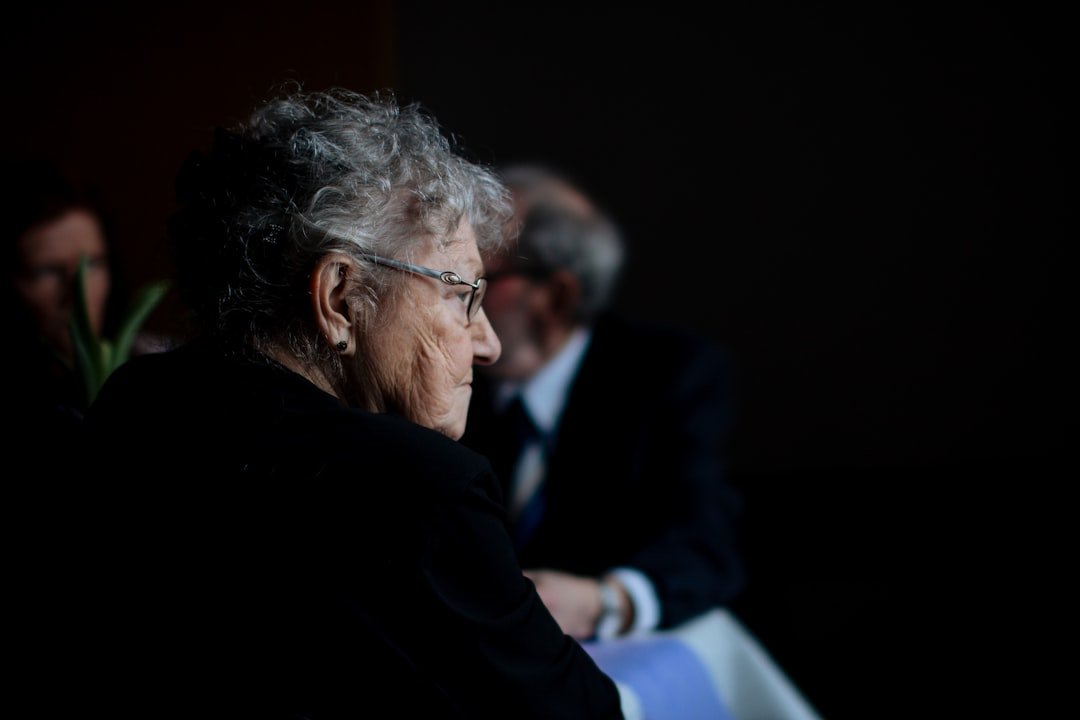
In Bulgaria, the situation is particularly complicated. Studies show, that nearly 30% of people over 65 experience loneliness on a regular basis. Reason? Loss of loved ones, limited mobility or lack of appropriate community initiatives.
Why is this important to all of us? Social connectivity supports not only emotional balance but also cognitive functions. Every conversation, every smile are like vitamins for the spirit.
Key findings
- Prolonged loneliness negatively affects physical and mental health
- Lack of social contacts is a common problem among the elderly
- Active communication keeps the brain active
- Bulgaria is among the countries with a high risk for this demographic group
- Support from loved ones and the community can make a difference
An introduction to the topic of isolation
Each of us has experienced a feeling of loneliness, but for some it becomes a constant companion. This is the moment when simple discomfort becomes a serious obstacle to quality of life.
What does social isolation mean?
Social isolation has two main aspects. The first is objective - physical absence of regular contacts with other people. The second is subjective - the inner feeling of detachment, even when we are among people.
Experts from Sofia University emphasize: "Lack of meaningful interactions leads to changes in brain chemistry similar to chronic stress". This explains why prolonged loneliness increases the risk of depression by more than 30%.
Why are we looking at this issue?
Regular social contact acts as a "buffer" against emotional exhaustion. When they are not there, a person loses not only support, but also incentives for mental activity.
Family plays a key role – even short phone calls with loved ones can reduce feelings of isolation. A survey among Bulgarian pensioners shows that 4 out of 10 people feel happier after regular visits from relatives.
It is important to understand: isolation is not a personal choice, but a complex phenomenon. It limits access to social activities and gradually changes the way of thinking. Therefore, it is necessary to talk about it openly.
Main causes of social isolation in the elderly
Life after retirement can bring unexpected challenges. Three key factors shape the pattern of detachment: personal losses, changes in daily life, and health limitations.

Loss of partner and friends
Over time the loss of loved ones is becoming more common. According to NSI, 45% of people over 65 have lost at least one loved one in the last 5 years. This leads to a gap in everyday conversations and shared moments.
Retirement and health problems
The transition to retired status reduces contact with colleagues. "Work is not only a source of income, but also a social catalyst", says a gerontologist from Medical University - Sofia.
| Factor | Percentage affected | Influence |
|---|---|---|
| Loss of a partner | 32% | 40% reduction in social activities |
| Chronic diseases | 58% | Limitation of mobility |
| Retirement | 67% | Decrease in daily contacts |
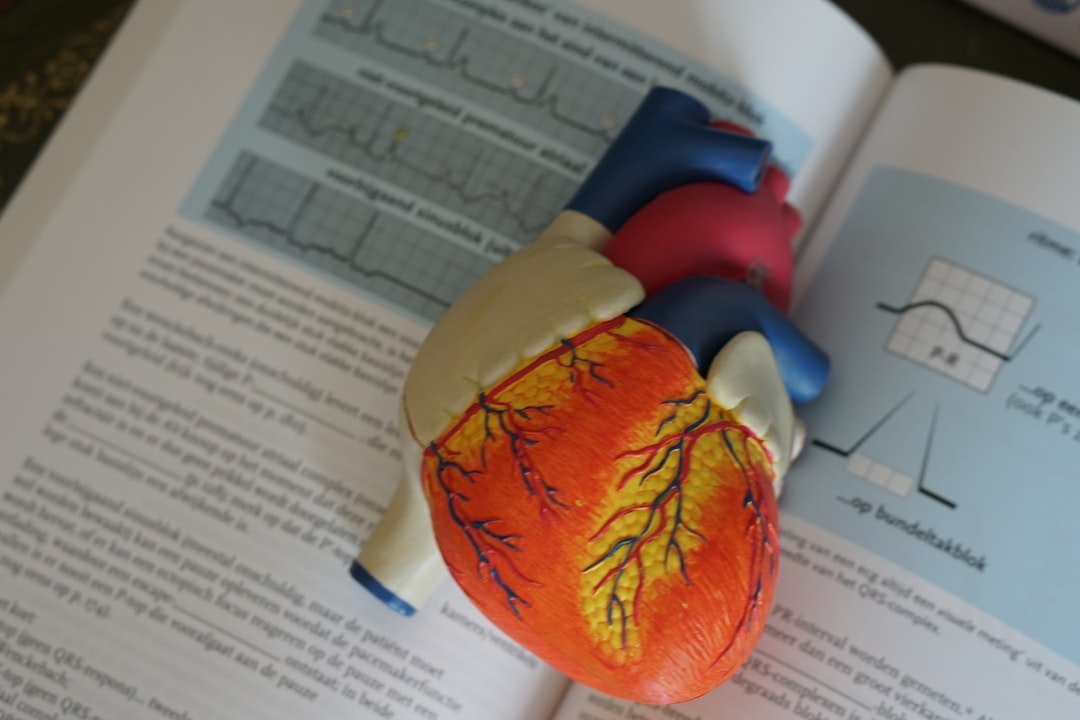
Health problems create physical barriers. Arthritis, heart disease and visual impairments make leaving the house difficult or painful. This locks people into a domestic circle.
"Lack of suitable transport solutions for people with reduced mobility is a key challenge"
These factors intertwine like a chain. The loss of loved ones leads to an emotional crisis that weakens the immune system. The result? Higher risk of new health problems.
Psychological and health consequences of isolation
Long-term lack of social contacts leaves deep traces in human health. Studies show a clear link between prolonged solitude and the development of serious conditions.

Impact on mental health
The brain reacts to lack of communication as a physical threat. An Australian study from 2022 found a 40% increased risk of depression in people with limited contacts. "Chronic loneliness changes the production of serotonin," says a neurologist from Sofia.
Anxiety states become more common, especially in women over 60. Cognitive functions - memory, concentration, analysis - slowly deteriorate. This creates fertile ground for the development of dementia.
Associated diseases and physical activity
Lack of conversation leads to lack of movement. The statistics are relentless:
- 65% of sedentary people have a higher risk of heart problems
- Reduction of daily steps by 55% in prolonged isolation
- Double the chance of type 2 diabetes
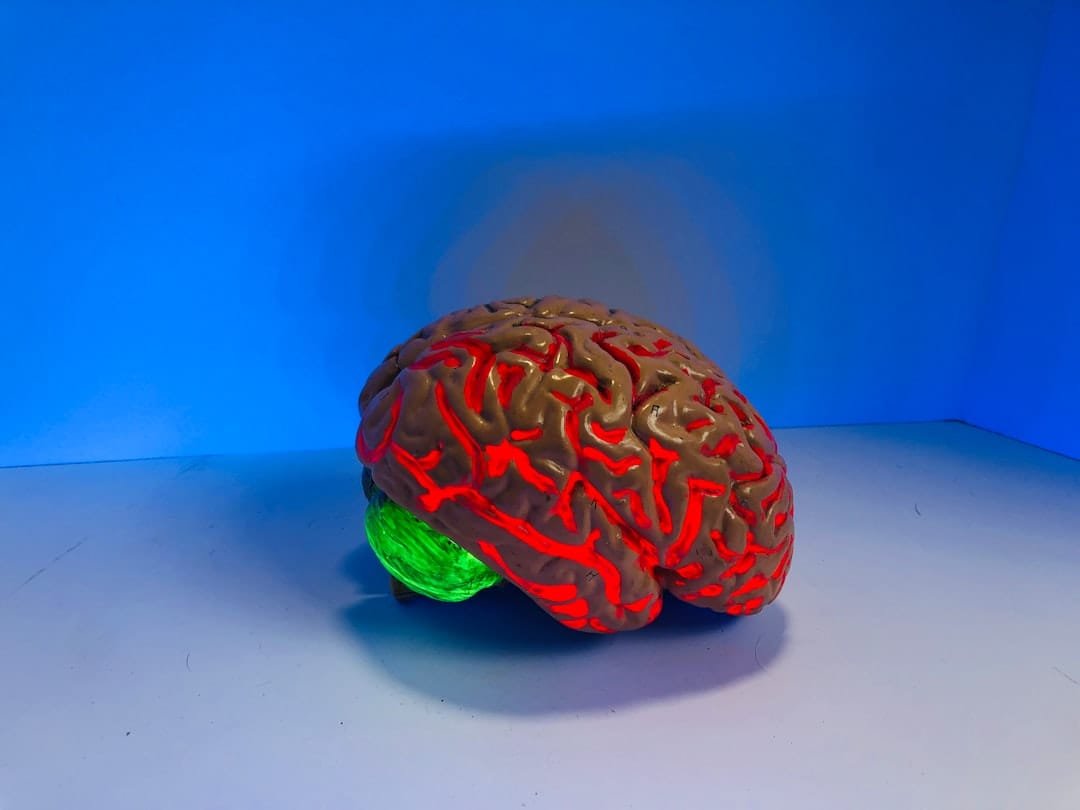
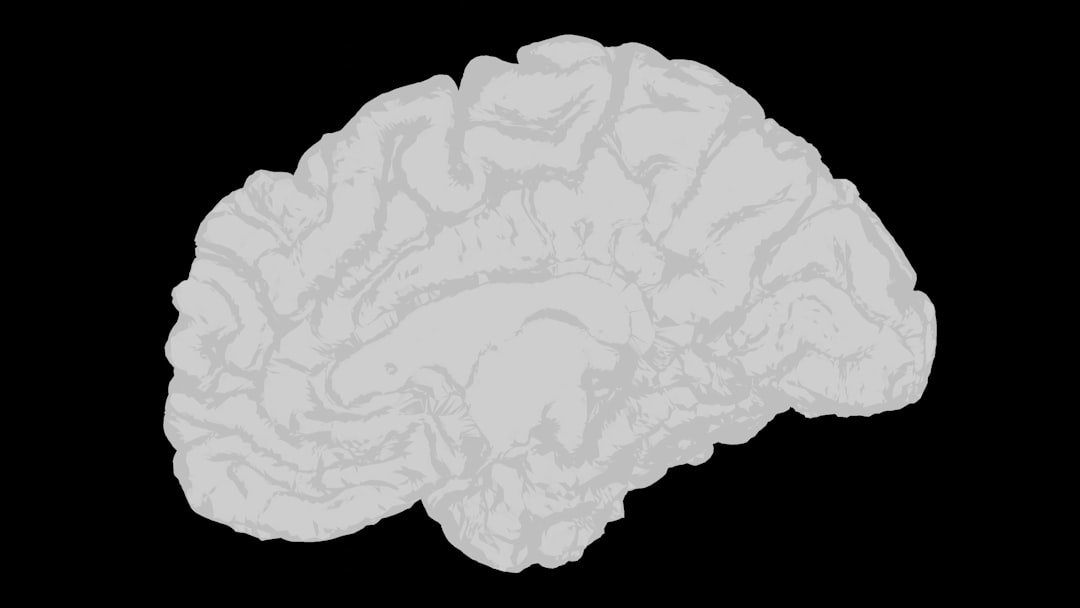
Brain scans reveal an interesting fact. It is observed in people with weak social ties reduction of the hippocampus – the area responsible for memory. This explains the link between isolation and dementia.
Emotional well-being is like an engine for overall health. Any chat or group activity acts as a natural shield against these risks. That's why it's important to keep relationships alive - they're our most powerful medicine.
Social isolation in the elderly
Our brain is like a muscle – if we don't use it, it loses its strength. Scientific research reveals that regular social interactions maintain not only the mental balance, but also the physical structure of the brain tissue.
Effect on the brain and cognitive functions
Long-term observations of more than 3,000 participants show an alarming fact. In people with limited contacts for 6 years, it is noted an average 7% reduction in hippocampal volume. This key memory area shrinks, as if the lack of conversation dries it up.

"Each year of isolation results in brain volume loss equivalent to 1.5 years of natural aging."
Risk of dementia and atrophy of brain tissue
- 0.3 mm reduction in cortical thickness in chronic loneliness
- Double the risk of developing dementia after a 10-year period
- Loss of gray matter in areas responsible for emotional regulation
The data is indisputable – when we stop communicating, our brain literally shrinks. But there is also good news: even small daily conversations can slow down this process and keep our mental clarity.
Technological barriers and new opportunities for socialization
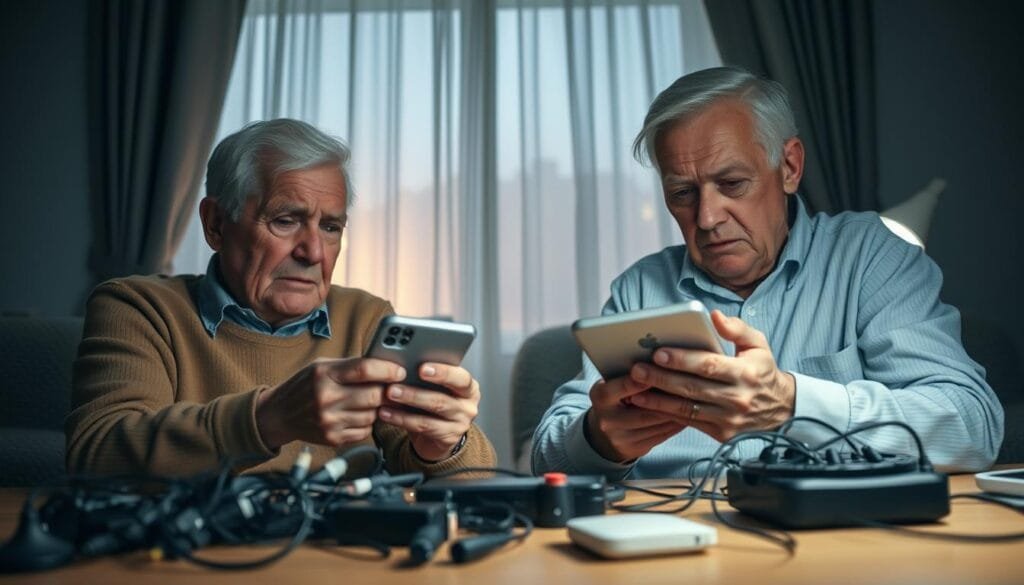
The digital world offers endless possibilities, but for many it remains uncharted territory. Modern devices sometimes create invisible walls instead of connecting.
Challenges in using technology
Complex interfaces and rapid software evolution scare off many mature users. A study by the Technical University - Sofia shows that 62% of people over 65 feel disconnected from digital life.
The main difficulties include:
– Fear of usage errors
– Lack of basic online communication skills
– Lack of specialized training
"Not everyone understands the nature of social networks or video chats," says a teacher from a training center in Plovdiv. This leads to avoiding technologies instead of embracing them.
The right one way to overcome these barriers is key. Specialized digital literacy courses help create new ones contacts. The "Digital Bridge" project in Sofia has already trained over 300 people, with 78% of them starting to use video chats regularly.
The invested time in training it returns many times. A person who learns basic skills gains access to:
– Online interest clubs
– Virtual meetings with relatives
– Remote cultural events
It is also important supportand from relatives. Simple demonstrations of how to send a photo or start a video chat can change everyday life. In Burgas, for example, local volunteers organize free consultations in community centers.
Technology should not be a threat, but a bridge to the world. With a little help and patience, they become the most powerful ally in the fight against loneliness.
Community initiatives and support programs
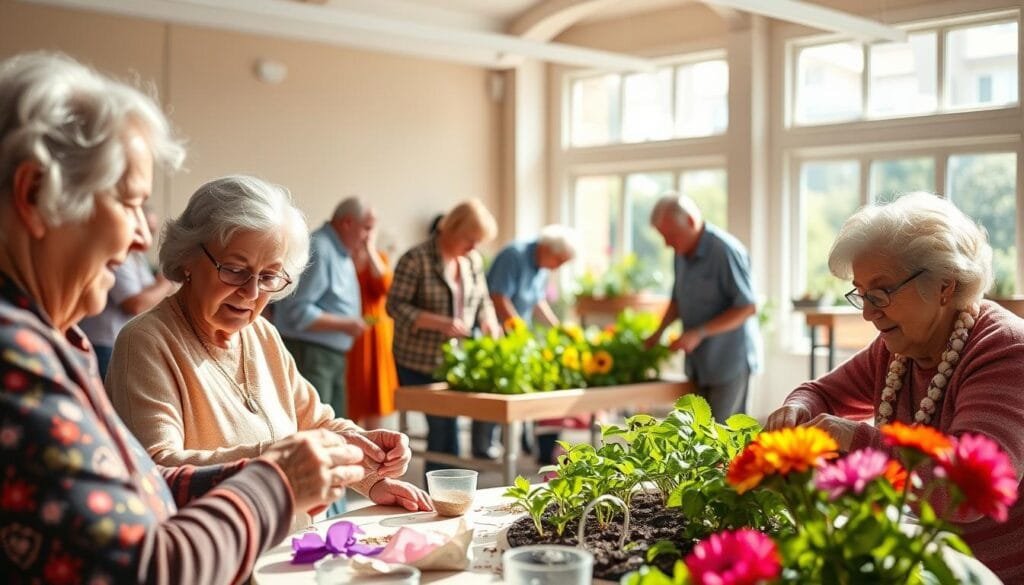
Communities in Bulgaria are finding creative ways to overcome loneliness. From neighborhood clubs to national campaigns, each project brings hope for new connections and meaning.
Volunteer projects and clubs for adults
The project "Social Assistants" united over 200 pensioners in 15 cities. Participants receive training to support their peers, from organizing events to sharing life skills.
Golden Years Clubs in Plovdiv show how group activities create friendships. "Everyone finds a place here - to knit, play chess or just smile", says the head of the initiative.
| Program | Cities | Participants (2023) |
|---|---|---|
| Creative workshops | 10 | 1,200 |
| Sports groups | 8 | 850 |
| Digital trainings | 12 | 2,300 |
Educational and cultural initiatives
The universities of Varna and Ruse have launched free courses in photography and art history. These programs not only enrich knowledge but also create space for shared interests.
The "Bridge Between Generations" volunteer festival proved that culture is a universal language. In 2023, over 400 people participated in joint theater productions with children and adolescents.
This network of support changing the lives of thousands. Each new participant in such initiatives reduces the risk of long-term loneliness by 18%, according to data from the Ministry of Labor.
The role of family and social support
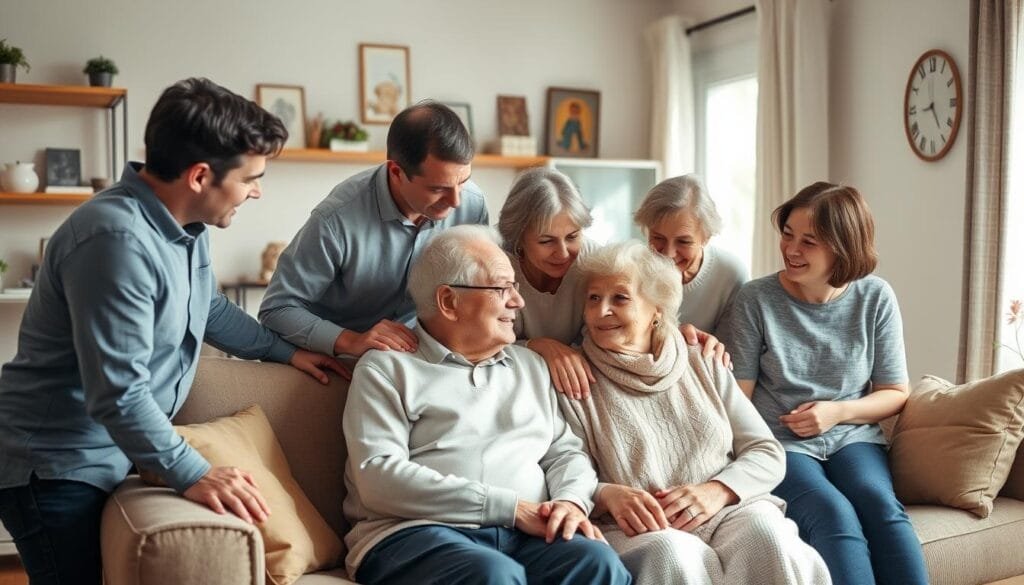
Family ties act as a natural shield against emotional storms. A study by the Bulgarian Red Cross shows that 78% of adults with active family contacts report a higher quality of life.
The importance of regular contact with loved ones
The daily phone call or the weekly family gathering are more than routine rituals. They create a sense of belonging, which directly affects mental health. "Even a 10-minute exchange of news reduces the feeling of loneliness by 40%," says a psychologist from Varna.
Examples of effective practices include:
– Sharing dinner with relatives
– Cooperative card or domino games
– Retro dinners with old family photos
Data from the National Statistical Institute reveals an interesting pattern. People with regular family visits develop 62% lower risk from clinical depression. This shows how the attention of loved ones can change the trajectory of aging.
"Every smile shared with a grandchild is like vitamin for the soul. It strengthens emotional resilience and creates anchor memories."
Modern challenges require creative approaches. Video chats through smartphones are becoming increasingly popular among the mature generation. They allow instant connection even when physical presence is impossible.
The key is in the sequence. Regular small gestures build a bridge between generations. They make isolation a shared story and loneliness a thing of the past.
Conclusion
Overcoming this challenge requires a concerted effort. Health of mature people depends on the balance between emotional support, social activity and access to cultural resources.
The data shows a clear connection: the longer it lasts the lack of contacts, so they increase the risks for brain changes and physical diseases. Every lost conversation is an opportunity to stimulate cognitive functions.
Effective solutions include:
- Regular family visits and group activities
- Community programs for digital literacy
- Creating barrier-free spaces for communication
Ours country there is a need for strategies based on scientific data. Investments in training initiatives and intergenerational projects will improve the quality of life for thousands of people.
Remember: small everyday gestures go a long way. A phone conversation, a joint dinner or participation in a neighborhood meeting can change a person's destiny. Together we can create an environment where every person feels a sense of belonging – regardless of age.