Caring for loved ones in old age is a multi-faceted task. Every day brings new situations, from managing chronic illnesses to maintaining mental balance. For example, diabetes or arthritis require not only regular medication, but also adaptation of daily life.
It is important to create a balance between physical health and emotional resilience. Many people face limited mobility or pain, which requires careful planning of the space in the home. Specialized products, such as anti-dandruff pillows or light dusters, can greatly facilitate routine tasks.
Last but not least is the role of family support. It not only improves the quality of life, but also strengthens the bonds between generations. Coordination with doctors and regular monitoring are key to preventing complications.
Key findings
- Chronic diseases require an individual approach and constant control.
- A hygienic and safe environment reduces the risk of infections.
- Family support is critical to emotional well-being.
- Modern products simplify everyday care.
- Coordination between caregivers and professionals improves outcomes.
Basic aspects of elder care
Maintaining a good quality of life for older people requires attention to two interrelated elements. These include both physical condition and social-emotional needs.
Physical challenges and chronic illnesses
Managing multiple diseases simultaneously is a complex task. For example, taking 5+ medications daily (polypharmacy) increases the risk of interactions. Regular monitoring of blood parameters helps to personalize therapy.
Limited mobility creates difficulties in basic activities. Special devices such as walkers or anti-slip sheets reduce the risk of falls. This is critical to maintaining independence.
Psycho-social needs and support
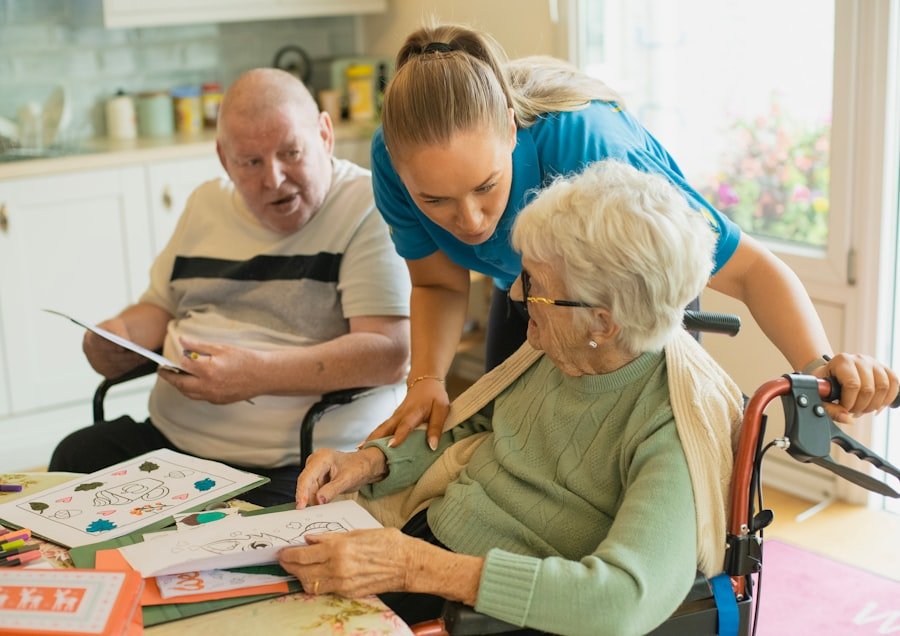
Social isolation is a common problem. Organizing meetings with relatives or group activities stimulates mental activity. Support groups offer a space to share experiences.
Emotional difficulties such as anxiety can be alleviated with regular conversations. Educating the family to recognize the symptoms of depression is also important. This improves the general perception of life.
Challenges in caring for the elderly
A comprehensive approach to daily care includes attention to physical and mental aspects. Effective management requires not only medical knowledge but also sensitivity to changing needs.
Management of multiple diseases and medications
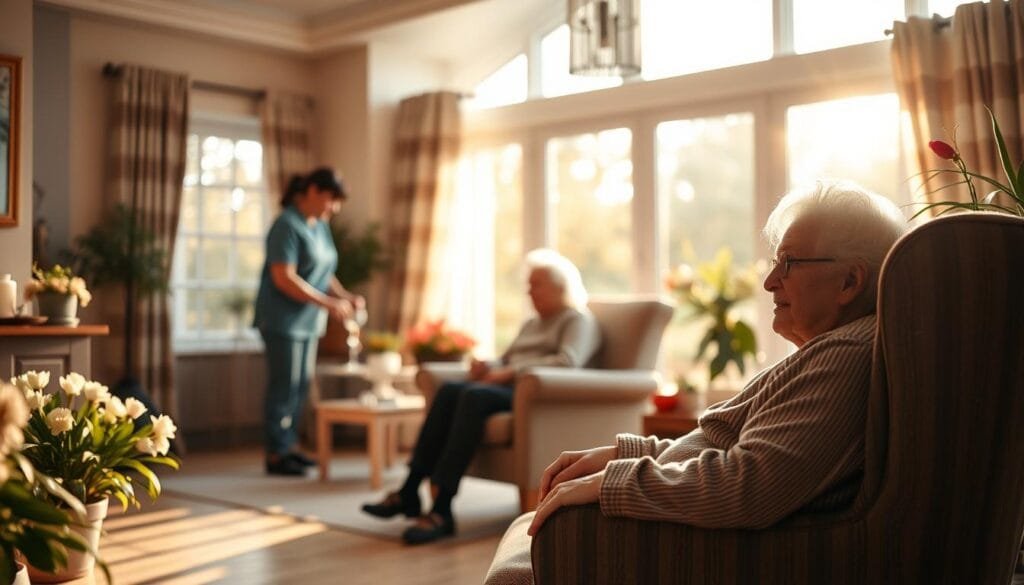
The average person over 65 taking 4+ medications daily. This increases the risk of errors – missed doses or dangerous combinations. Individual plans with a clear schedule they bring order to the process.
| Medicine | Reception time | Interactions |
|---|---|---|
| Antihypertensives | 08:00 | Do not combine with diuretics |
| Anticoagulants | 14:00 | Avoiding vitamin K |
| Analgesics | 20:00 | Risk of stomach bleeding |
Maintaining mobility and independence
Movement restrictions lead to loss of muscle tone. Orthopedic pillows and stair lifts help with safety. Regular light exercise maintains flexibility.
Emotional and mental aspects
Social isolation after retirement can lead to depression. Experience sharing groups and art therapy stimulate communication. Personal assistants play a key role in maintaining mental balance.
Educating loved ones to recognize alarming symptoms is also important. Combining professional support and family involvement creates a sustainable safety net.
Specialized care and innovative solutions
Modern technologies and scientific achievements open up new possibilities for improving everyday practices. The integration of innovative products and personalized approaches is transforming traditional methods.
Skin care and prevention of decubitus ulcers
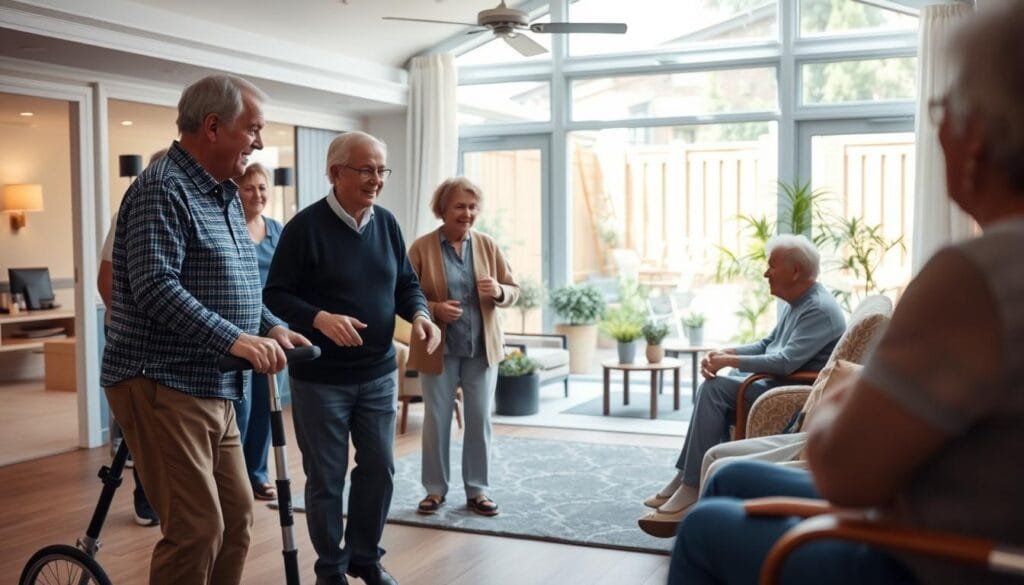
Delicate skin requires special moisturizing products such as the MBK-865 cream. Anti-decubitus pillows with a gel layer reduce pressure in critical areas. Changing position every 2 hours is a key element of prevention.
| Product | Purpose | Frequency of use |
|---|---|---|
| TENA ProSkin | Protection against getting wet | Every shift |
| MoliCare Premium | Liquid absorption | 3-4 times a day |
| Anti-decubitus pad | Pressure distribution | Constantly |
Appropriate nutrition and rehabilitation methods
Protein shakes and vitamin supplements support tissue regeneration. Light exercises such as static stretching improve blood circulation. Individual diet plans meet specific health needs.
Inclusion of personal assistants and professional services
Trained professionals provide safety when cleaning and taking medication. Safe moving techniques in the home prevent accidents. Support groups offer training in the use of modern aids.
The combination of technological solutions and human approach creates a balance between efficiency and humanity. This is the basis for a real improvement in the quality of life.
Conclusion
Quality support for older people strikes a balance between practical solutions and human warmth. The individual approach remains key, from personalized diets to adapted exercise. This strengthens both physical health and emotional resilience.
Modern tools such as specialized cosmetics and innovative assistant services reduce everyday difficulties. It is important to combine them with regular ones advice from experts and active family involvement. This creates a network of security and trust.
Last but not least is the role of communication. Regular conversations and group activities overcome isolation. Appropriate nutrition and hygiene contribute to the prevention of complications.
Each of us can contribute. Through attention to detail and collaborative efforts, we create an environment where every person feels valued. This is the best way to ensure a dignified life for all older people.