Dear Reader,
Caring for the elderly is not only a moral duty, but also a significant financial challenge that many of us face. In this material, we will look at the different aspects of the costs associated with the care of the elderly and offer strategies for their management and optimization. Our intention is to provide objective and comprehensive information to serve as a guide in the complex maze of health, social and living needs of our loved ones.
Before we can effectively manage costs, it is essential to categorize them and understand their origins. These costs often branch out into several main areas that require careful planning and analysis.
1.1. Medical expenses
Medical expenses are often the most unpredictable and significant part of the total financial burden. As we age, the incidence of chronic diseases increases, leading to the need for constant medication, consultations and possibly hospitalizations.
1.1.1. Medicines and supplies
Daily medication needs to control blood pressure, diabetes, heart disease and other conditions can form a significant part of the monthly budget. Here we include both regularly prescribed medications and occasional medications, for example to treat the flu or other acute conditions. In addition to medications, medical supplies such as dressings, incontinence diapers, mobility aids, and more are often needed.
1.1.2. Visits to doctors and specialists
Regular check-ups with a personal physician, as well as consultations with specialists - cardiologists, endocrinologists, neurologists - are mandatory to maintain the state of health. The cost of such visits can vary greatly depending on whether public or private medical assistance is used, and whether there are co-payments.
1.1.3. Hospital treatment and rehabilitation
For more serious health problems, hospital treatment or long-term rehabilitation may be necessary. The costs of hospital stays, operations, intensive care and follow-up physical therapy can be astronomical, especially if private treatment or specialized procedures are required.
1.2. Costs of home care
Many families prefer to care for their elderly loved ones at home, which is often easier on their psyche and provides the comfort of familiar surroundings. However, this approach also comes with its own financial requirements.
1.2.1. Domestic help and social assistants
Hiring a social assistant or home aide can be essential, especially when the elderly person cannot handle daily tasks such as bathing, dressing, feeding and cleaning on their own. The costs of such services depend on the hours of work and the qualifications of the staff.
1.2.2. Home adaptations
Sometimes it is necessary to make changes to the home to ensure safety and accessibility for the older person. This may include installing handrails, ramps, specialized toilets and showers, or adapting lighting. These investments are one-time but can be significant.
1.3. Costs of institutional care
When home care becomes impossible or insufficient, institutional care may be a solution. This includes nursing homes, rehabilitation centers and specialized facilities.
1.3.1. Nursing homes and hospices
The monthly fee for a stay in a nursing home or hospice is one of the biggest expenses. It usually includes accommodation, food, basic medical care and social activities. Prices vary widely depending on location, quality of services and type of establishment (public or private).
1.3.2. Specialized centers
Seniors with specific needs, such as dementia, Alzheimer's or other neurological conditions, may require care in specialist centres. These facilities offer staff trained to work with such conditions and are often more expensive because of their highly specialized services.
2. Financial planning and budgeting
Managing care costs effectively starts with good financial planning. Like a helmsman planning his route, we need to draw a clear financial map.
2.1. Assessment of the current financial situation
Before taking any steps, it is important to make a thorough assessment of the financial situation of both the elderly person and the family that will be helping. This includes a review of income, savings, investments, property and current liabilities.
2.1.1. Income and assets
Identify all sources of income – pensions, annuities, other income from assets. Estimate the available savings in banks, investments in stocks or mutual funds, as well as the value of real estate.
2.1.2. Liabilities and running costs
Be sure to include all outstanding loans, mortgages, and other financial obligations. Analyze the current monthly expenses that the elderly person has - utilities, food, transportation.
2.2. Create a care budget
Once you have a clear picture of your financial situation, you can create a realistic care budget. This budget should be flexible and able to adapt to changing needs.
2.2.1. Forecasting future costs
Use the information from Chapter One to forecast future costs. Include both fixed costs (monthly home fee, ongoing medications) and variable costs (incidental medical exams, emergencies).
2.2.2. Determining sources of funding
Decide where the funds to cover these expenses will come from - from personal savings, inheritance, current family income, or a combination of all. Explore opportunities for government aid and programs.
3. State support and social programs
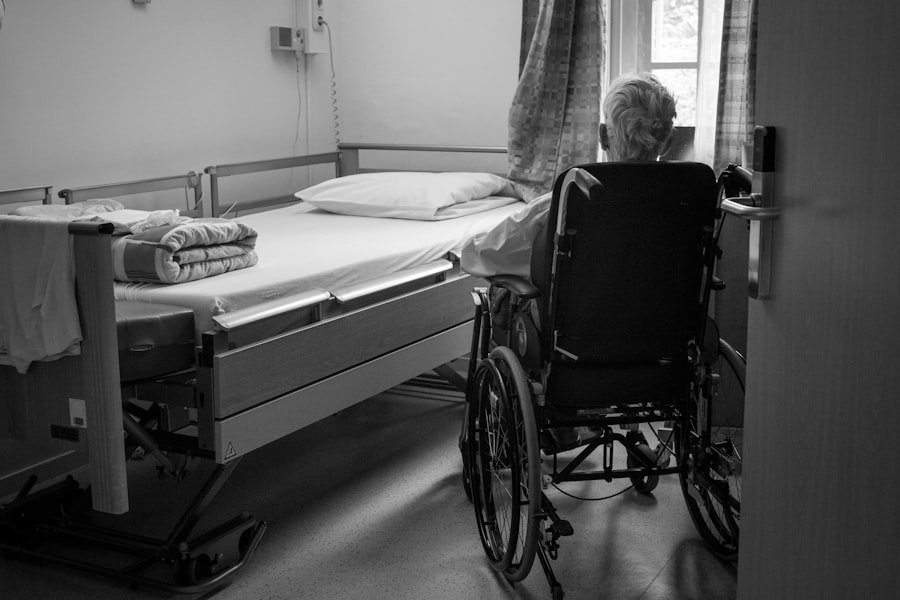
The Bulgarian state offers various forms of support for elderly people and their families. Knowing about these options can greatly ease the financial burden.
3.1. National Health Insurance Fund (NHIF)
The National Health Insurance Fund covers a significant part of medical expenses, but it is important to know which services and medications are included in the package and for which there is an additional payment.
3.1.1. Free packages of services and medicines
Find out about the list of fully or partially reimbursed medications. Many chronic diseases are covered by free examinations and treatments, but this requires proper procedure and documentation.
3.1.2. Co-payments and alternative therapies
A number of services and medicines require additional payment. In addition, some alternative therapies or specific medical devices are not covered by the NHIF and must be financed from own funds.
3.2. Social Assistance Agency (ASP)
ASP provides a variety of social services and financial assistance aimed at the elderly and people with disabilities.
3.2.1. Social services in the community
Programs such as Home Social Patronage and Personal Assistant can provide help with household tasks, food delivery and medical assistance at affordable or free prices, depending on the elderly person's income.
3.2.2. Financial aids and supplements
It is possible to apply for targeted heating allowances, disability allowances and other social supplements to cover part of the costs. The granting criteria are strictly regulated and require the collection of the necessary documentation.
4. Consideration of alternative financial strategies
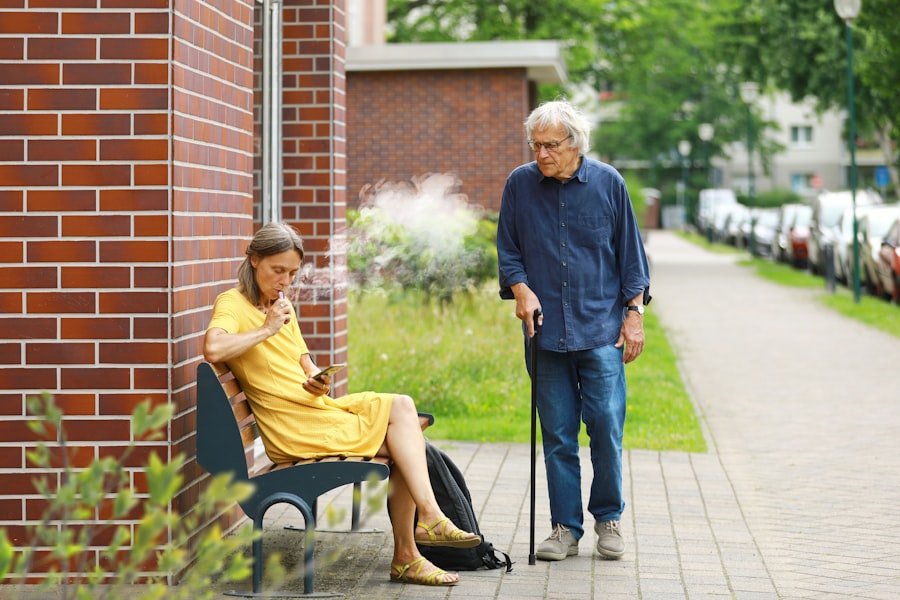
In addition to government support, there are other strategies that can help manage costs.
4.1. Health insurance and savings plans
Private health insurance can be a valuable tool to cover medical expenses not covered by NHIF.
4.1.1. Supplementary health insurance
Explore options for supplemental health insurance. It may cover a greater range of services, higher limits for hospital treatment or access to private specialists without waiting.
4.1.2. Retirement savings plans
If the elderly person has pension savings plans or Life insurance in which they have accumulated funds, these can be used to cover care costs. It is important to carefully review the conditions for early withdrawal or use of these funds.
4.2. Mortgage loans and sale of property
In some cases, where the financial needs are huge, it may be necessary to use fixed assets.
4.2.1. Mortgage loan for adults
Some financial institutions offer mortgage loans for the elderly, where against the mortgaging of a property, a monthly amount is received that can cover the costs of care. This is a complex product and requires careful study of the conditions.
4.2.2. Sale of property and accommodation for rent
Selling a primary home and moving the older person to a smaller or less expensive rental home, or to an institution, can free up significant capital. This decision is often emotionally difficult, but it can be financially necessary.
5. Prevention and optimization of costs
| Metric | Description | Average value | Tips for cutting costs |
|---|---|---|---|
| Average monthly fee for a nursing home | The average cost of accommodation and care in specialized homes | BGN 1200 | Researching different homes and choosing more affordable options |
| Domestic help expenses | Prices for hiring a domestic helper or nurse | BGN 800 per month | Use of government programs and subsidies |
| Medical expenses | Medicines, examinations and therapies for the elderly | BGN 300 per month | Check for available free or discounted services |
| Transportation costs | Trips to medical facilities and social services | BGN 100 per month | Use of public transport or social services |
| Total monthly expenses | Summing up all basic care costs | BGN 2400 | Budgeting and looking for extra help |
As they say, "prevention is better than cure". Prevention and cost optimization are key to long-term management.
5.1. A healthy lifestyle
Maintaining an active and healthy lifestyle can delay or reduce the need for costly care.
5.1.1. Physical activity and healthy eating
Regular physical activity, a balanced diet and avoiding harmful habits are the basis of good health. Maintaining muscle mass and bone density prevents falls and fractures.
5.1.2. Regular preventive examinations
Do not miss annual preventive examinations and screening programs. Early detection and treatment of diseases can save significant costs in the future.
5.2. Effective medication management
Medicines are a significant expense, but with smart management they can be optimized.
5.2.1. Compare prices and generic alternatives
Always check for generic alternatives to expensive drugs. They have the same active substance as the originals, but are significantly cheaper. Compare prices at different pharmacies and big chains.
5.2.2. Consultation with pharmacist and doctor
Discuss medications with your doctor and pharmacist regularly. It is possible that some drugs can be optimized or replaced with more effective and/or cheaper options. Avoid self-medication!
Managing the costs of elder care is a complex and multi-layered process. It requires a thorough understanding of financial mechanisms, social programs and health needs. Our goal is to provide you with a solid foundation on which to build your individual plan. Remember that this path is like a tree with many branches – each situation is unique and requires a personalized approach. Don't hesitate to seek professional help - financial advisors, social workers, lawyers - to support you in this important endeavor. After all, adequately caring for our elderly loved ones is an investment—not only financial, but also emotional—that enriches us all.
FAQs
What are the main types of elder care costs?
The main costs include medical services, medicines, assistance with daily activities, accommodation in specialized nursing homes, as well as transport and social activities costs.
How can I reduce the cost of elder care?
You can reduce costs by using state and municipal support programs, choosing home care over institutional care, and planning and budgeting for expenses in advance.
Is there government help to cover the cost of caring for the elderly?
Yes, there are different ones in Bulgaria social assistance and programs that support families with older people, including social security pensions, home care benefits and subsidies for specialist services.
How to choose a suitable elderly care service?
The choice should be based on the needs of the elderly person, the available budget, the qualifications of the staff, as well as recommendations and reviews from other users.
How do I plan financially for the long-term care of an elderly person?
It is important to assess current and future needs, prepare a budget, research financial aid and insurance options, and consult with financial and social experts.