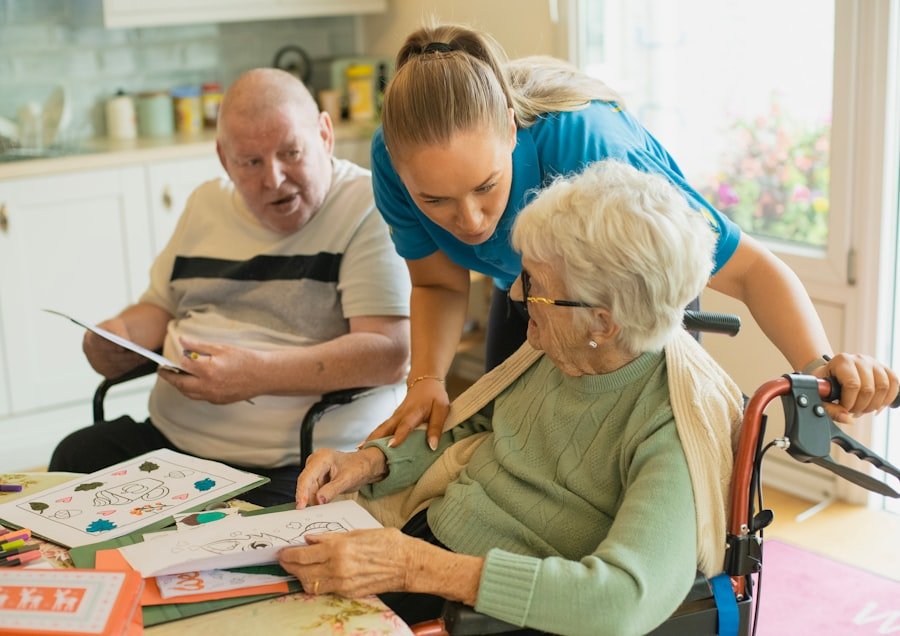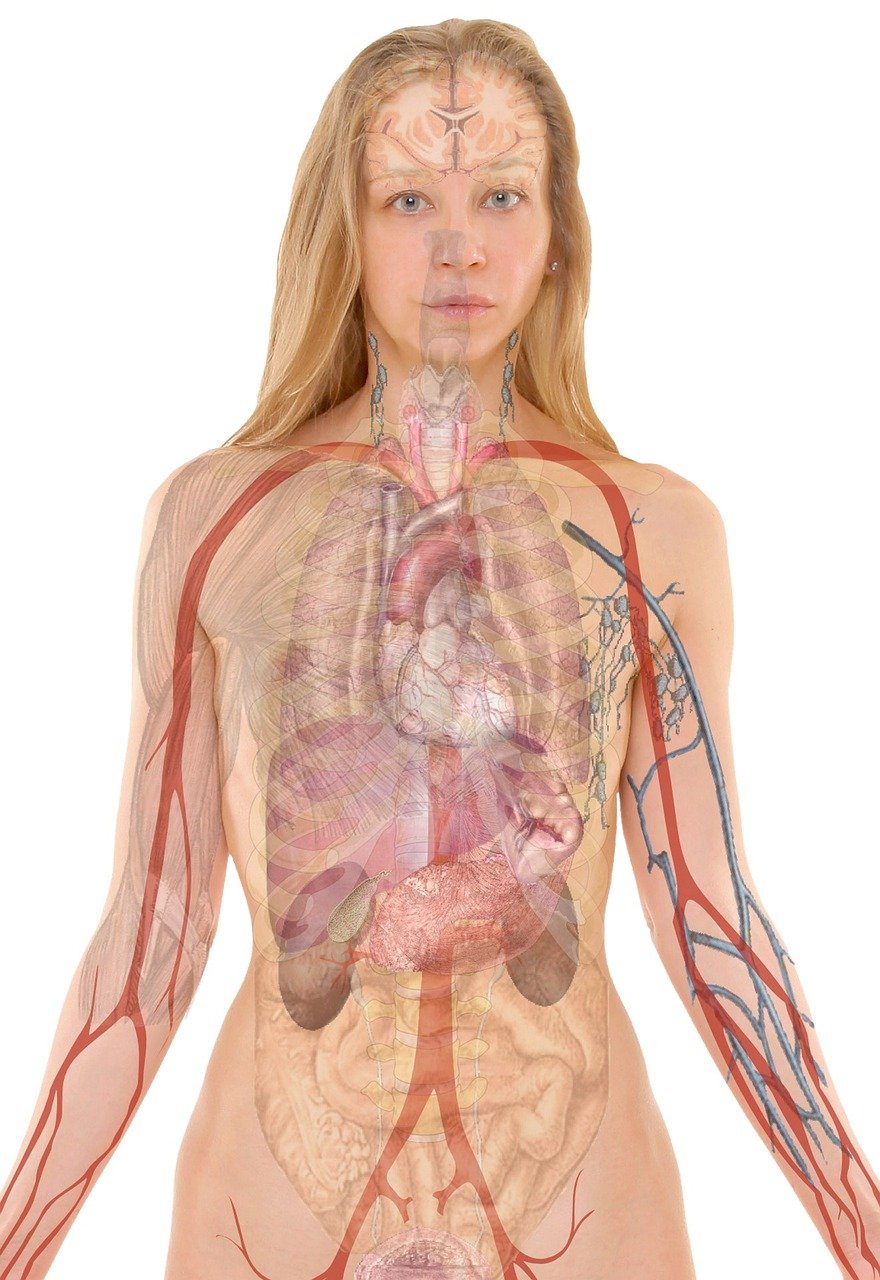
If I am caring for someone I love – a child, a parent, a partner, a close friend – I know that at some point I may find myself in a situation where their health or safety is at risk. These moments, as we all know, are often muddy, unpredictable and require quick, informed decisions. I know that in the stress of an emergency, information can become a scarce resource, just like oxygen in a stuffy room. And this is where one comes to the rescue emergency medical record. It's not just a pile of paperwork, but a true compass in a storm that can guide medical professionals in the right direction when time is of the essence.
For me, as a caregiver, creating such a file is not just recommended, but mandatory. It is an expression of responsibility, proactivity and deep care. Its creation is an investment in peace of mind – mine and the person I care for. Having all the information I need at hand, organized and easily accessible, means that in an emergency I won't have to rummage through drawers, call relatives with a shaky voice, or try to remember abstract drug names. This means that I can be the most effective ally to the medical team, providing them with the key threads that can untangle the complex knot of my loved one's health condition.
I see this file as a kind of "red phone" to medical help - a direct line that speaks the language of health and that can save a life. We don't need to be medical experts to understand its importance. It is enough to be people who value life.
The term "emergency" often conjures up images of a sudden event—a car accident, a heart attack, a sudden pain that cannot be ignored. But urgency is not limited to acute physical distress. It can also include a sudden loss of consciousness, a severe allergic reaction, an excessively high temperature in a child that quickly worsens. All these scenarios, as different as they are, have one thing in common: time. In emergency situations, every second counts. Medical professionals must act quickly, but also accurately. And this is exactly where the role of a well-prepared medical file comes into play.
1. Saving Time at Critical Moments
When a person is in a state of shock, panic or loss of consciousness, information about their health is scattered like grains of sand in the wind. GPs, specialists, hospital records, prescriptions – all of this can be wasted. Creating a focused and organized file is like gathering these grains of sand into a strong, sustainable container. When the paramedic or emergency room doctor opens the folder, they have a ready-made map of the health landscape instead of searching for individual signs and symbols. This directly leads to faster decision-making, more accurate diagnosis and more adequate care.
2. Ensuring Completeness and Accuracy of Information
Our memory, especially under stress, can be treacherous. We may miss an important detail about an allergy, forget the name of a specific drug or its dose, or remember the exact date of the last operation. The emergency medical record serves as a "black box" of health, recording everything essential. It reduces the risk of human error resulting from stress or lack of information. This clear and accurate record is the foundation upon which the medics build their plan of action.
3. Facilitating the Treatment of Specific Conditions
Imagine that the person I care for has a rare disease that only I and his doctor know about. Or he is allergic to a substance that is not widely distributed. Without the file, this critical data can remain hidden until it is too late. The record ensures that the medical team will be informed of any specific needs, contraindications or predispositions that could affect treatment. It's like giving the ship's captain a map of the mines and reefs instead of letting him sail blind.
4. Reducing Stress and Anxiety for the Caregiver
As a caregiver myself, I am also under considerable stress in an emergency situation. My mind may be confused, my heart may be racing. Knowing that I have an organized and complete set of information is reassuring. It allows me to focus on supporting my loved one instead of fighting the chaos of searching for information. This file is my shield against panic, allowing me to be calm and collected when I need it most.
5. Improving Communication between Medical Specialists
In an emergency, a person can go through different medical units - ambulance, emergency room, different clinics. Each of these units needs information. The medical record serves as a common language that everyone can understand. It is like a shared document that ensures a smooth transition of information, without interruptions or distortions. This improves coordination and consistency of care, which is vital for optimal outcomes.
What the Medical Record Should Include
Creating this file is not a one-time task, but a process that requires attention and maintenance. It is living matter that grows and develops along with the health of the person I care for.
1. Basic Personal Information
It is the foundation on which everything else is built.
A. Name and Surname
- Obvious, but absolutely necessary.
B. Date of Birth
- Important for determining dosages, risk groups and when comparing with age.
C. Address and Emergency Telephone Number
- Key information for quick contacts.
D. Name and Emergency Contact Number (other than the person I care for)
- For example, another family member, a close friend who can provide additional information or be contacted if I am not available.
2. Medical History
This is the most extensive and substantial part of the file. It tells the story of the health condition.
A. Chronic Diseases
- List all diagnosed chronic conditions (diabetes, hypertension, asthma, heart disease, kidney disease, neurological disease, autoimmune disease, etc.).
- For each disease:
- Date of diagnosis (approximate if not exact).
- Primary attending physician and contact phone number (if available).
- How the disease is controlled (diet, exercise, others).
B. Allergies
- A comprehensive list of all known allergies - drugs, foods, substances, insect bites, environmental allergens.
- For each allergy:
- Symptoms of a reaction (rash, difficulty breathing, anaphylaxis, etc.).
- How previous allergic reactions have been treated.
C. Previous Operations and Procedures
- List of all significant surgical interventions and medical procedures.
- For each operation/procedure:
- Type of operation/procedure.
- Date (approximate if not exact).
- Where it was performed (hospital, clinic).
- Reasons for the operation/procedure.
D. Hospitalizations
- List of previous hospitalizations not related to surgery.
- For each hospitalization:
- Reason for hospitalization.
- Date of admission and discharge.
- Hospital/Clinic.
E. Family Medical Histories
- Information about serious diseases that occur frequently in the family (heart disease, cancer, diabetes, neurological diseases). This can provide important information about genetic predispositions.
3. Medicines and Supplements
This section is critical because improperly combining medications can be extremely dangerous.
A. List of Current Medications
- A list of all medications the person takes regularly, including:
- Trade name and/or generic name.
- Dosage (eg, 10 mg, 500 mg).
- Frequency of administration (eg, once a day, twice a day).
- Method of administration (oral, injection, inhalation).
- Reason for admission (for what disease it is prescribed).
- Prescribing doctor (with contact phone number).
B. Biologically Active Supplements and Vitamins
- Be sure to include any vitamins, minerals, herbal preparations, and other nutritional supplements that are taken. Medical professionals must be informed about everything that happens in the body.
C. Medicines that the Person Takes as Needed (as needed)
- For example, an asthma inhaler, pain relievers.
- For each drug:
- Name.
- Dosage.
- When should it be used (for what symptoms).
D. Medications the Person Should NOT Take
- This is especially important if there are established reactions or contraindications.
4. Strategies for Emergency Action
This section provides guidance on what to do in specific situations.
A. Emergency Action Plan (for example, in the event of an allergic reaction)
- If the person has an epinephrine pen (eg EpiPen) for severe allergic reactions:
- Where it is stored (a convenient and accessible place).
- How to use it (even a short instruction or reference to the manual).
- When to use.
- After use: Call 112 immediately.
B. Important Observation Guidelines
- Some conditions require specific monitoring. For example, in a person with diabetes, changes in blood sugar levels.
C. Guidelines for Symptom Relief
- For non-urgent but unpleasant symptoms that may occur.
5. Electronic Access and Physical Copies
Information storage should be as convenient as possible.
A. Digital Storage
- Create a secure digital file (for example, an encrypted PDF) on your computer.
- Keep a copy on cloud storage (Google Drive, Dropbox, iCloud) that is accessible from any device. Make sure access is password protected.
- Create a short version of your phone (photo of key documents, note) for the most critical information that is accessible even without unlocking the phone (with increased attention to security).
B. Physical Copies
- Keep one copy in a well-organized folder in an easily accessible place at home (eg, hall cabinet, kitchen drawer).
- Also keep a small, compact copy in the person's purse if he/she goes out alone often, or in your own purse/wallet. This may just be a summary of the highlights.
- If the person travels, they should always have a physical copy with them.
How to Maintain and Maintain the File
The process of creating and maintaining a medical record requires a systematic approach.
1. Collection of Information
- Official Documents: Ask for a copy of your medical records from your GP, specialists, hospitals.
- Personal Notes: Start keeping basic notes of every doctor's visit, every medicine prescribed.
- Talking to the Man: If possible, sit down with the person you care for and go over everything carefully. Ask questions. Sometimes people forget things that seemed insignificant to them.
- Contract with Doctors: Inform the GP and other professionals that you are creating such a file and ask if they can help you with information or if they have any recommendations.
2. Organization of Information
- Digital Organization: Use sections, subsections, clear headings. Sort by date or by information type.
- Physical Organization: Use delimited folders. Support the documents so they don't tear.
- Clarity and Legibility: Write legibly. If you are using a printer, make sure the text is large enough.
3. Regular Update
This is the most critical part of maintaining the file.
A. After Every Doctor's Visit
- Instantly add new prescriptions, diagnoses, dosage changes.
B. After a Change in Medication
- If medications are changed, dosages changed, or discontinued, update the record.
C. For a New Diagnosis or Procedure
- Any new health event should be reflected.
D. Periodic Review (for example, every 6 months)
- Even if there are no visible changes, a preventive review of the file ensures that everything is up to date and no details have been forgotten.
4. Accessibility and Security
- Share: Who has access to this file? Is it just me? Does anyone else in the family need to know where it is and how to use it?
- Security: Especially with digital copies, how will they prevent unauthorized access? With physical copies, how will it be ensured that they do not fall into the wrong hands?
Tips for Effective Use in Emergencies
Having a record is one thing, using it effectively in a stressful situation is another.
1. Be Calm and Direct
- Despite the stress, try to keep your cool.
- Present the file to the medical team as soon as possible. Say, "I have an emergency medical record for [person's name] that contains important information."
2. Direct the Medical Staff
- Indicate the section that is most relevant to the particular emergency. For example, if it's an allergic reaction, direct them to the allergy section.
- Be prepared to answer additional questions.
3. Don't Feel Afraid to Ask
- If something is unclear in the file or in the instructions of the medical team, do not hesitate to ask for more information.
4. Give Only Verified Information
- The file must contain only confirmed facts. Don't add guesswork or hearsay.
5. Protect Privacy
- Despite the urgency, please note that the information is private. Share it only with medical professionals who are involved in the treatment.
Common Mistakes and How to Avoid Them
Even with the best of intentions, we can make some mistakes.
1. Insufficient Detail
- Error: Listing only disease names, no drug dosages or allergy symptoms.
- Solution: Be thorough. Include all relevant details.
2. Outdated Information
- Error: Using a file that was created several years ago and does not reflect current health status.
- Solution: Make it a habit to update regularly.
3. Lack of Physical Copy
- Error: Relying only on digital copies, in case the phone is damaged or does not have access to the Internet.
- Solution: Always keep at least one physical copy in an easily accessible place.
4. Too much technical language
- Error: Use of medical jargon that may be incomprehensible to non-specialists.
- Solution: Explain everything in clear and understandable language.
5. Insufficient Clarity in Action Instructions
- Error: Instructions that are ambiguous or difficult to follow under stress.
- Solution: Write the instructions as if you were explaining them to someone who has never done this before.
Creating an emergency medical record is an act of deep care and responsibility. It is an important step towards providing the best possible help for your loved one when he/she needs it most. This is not a task we can put off. It is an investment in the future, in peace of mind and, most importantly, in life.
FAQs
What is an emergency medical record?
An emergency medical record is a collection of important health information about an individual that can be used by medical professionals in an emergency. It includes details such as allergies, chronic conditions, medications being taken and emergency contacts.
Why is it important to have an emergency medical record?
The medical record helps doctors and emergency teams make quick and informed treatment decisions, especially when the patient is unable to communicate. This can save lives and prevent medication errors.
Who should create an emergency medical record?
Every person, especially those with chronic illnesses, allergies, or medications, should create a medical record. Also, people who care for the elderly, children or people with disabilities should have such a record for them.
What information should the medical record contain?
The file should include personal information, medical history, list of medications, allergies, chronic conditions, recent medical examinations, immunizations and emergency contacts.
Where and how do I store the emergency medical record?
The medical record can be stored in both paper and electronic formats. It is important for it to be easily accessible – for example, in a wallet, on a phone, or in a dedicated app that can be used by emergency teams. It is also a good idea to inform your loved ones about its location.