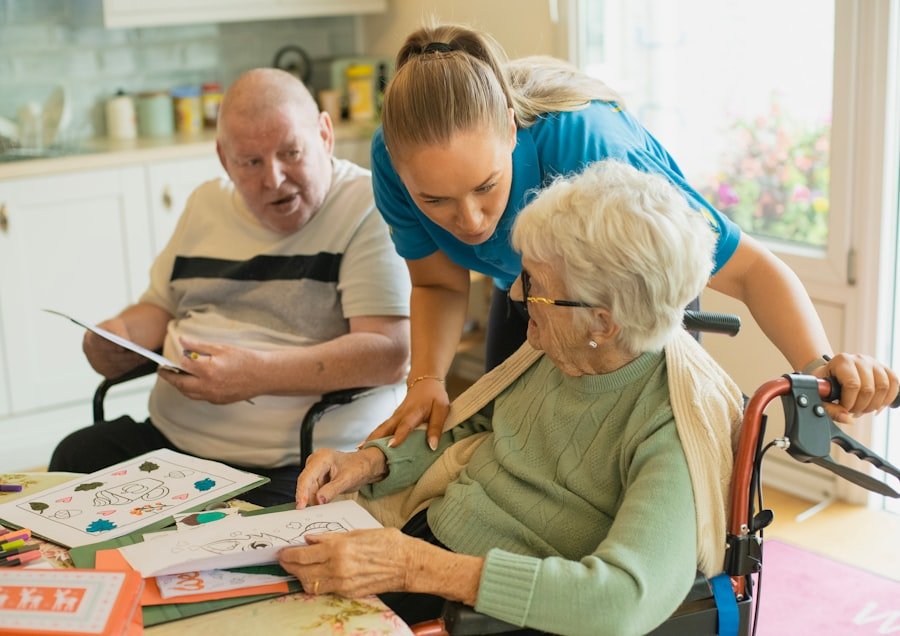
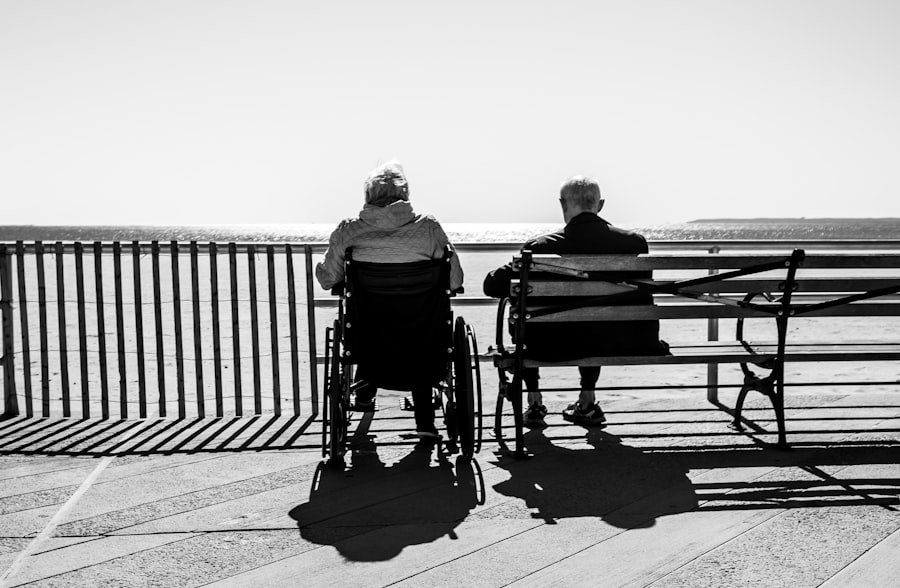
When we talk about physical difficulties, we often face the reality of everyday life, which can become challenging. Many of us, especially in old age or after certain health problems, begin to feel limitations in our movements. We may have difficulty doing simple activities, such as climbing stairs, carrying weights, or even just getting out of bed.
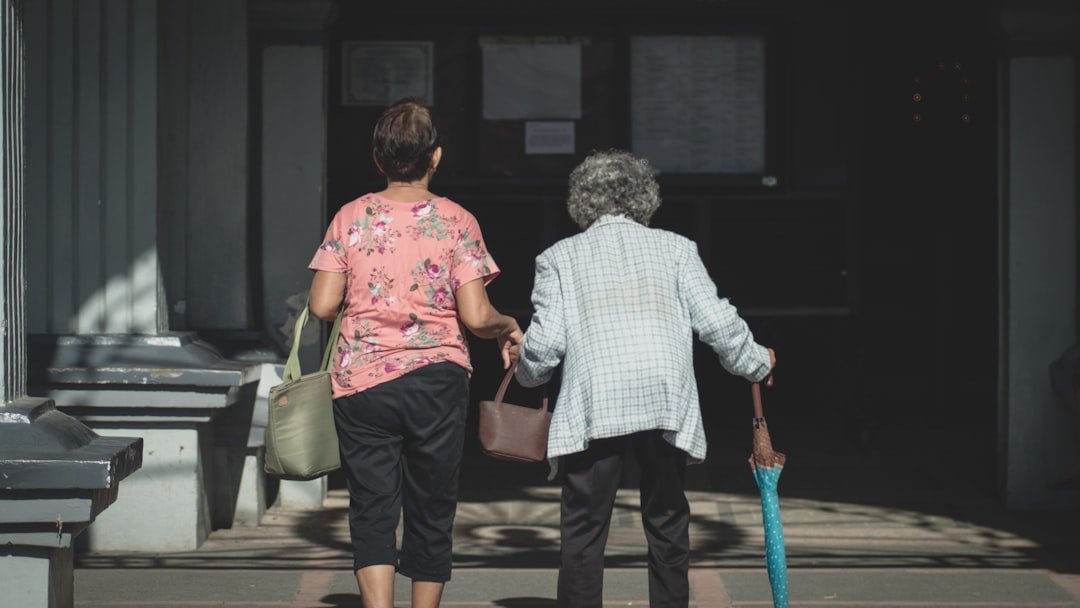
These physical limitations not only affect our independence, but also force us to seek help from loved ones or professionals.
Often we feel vulnerable and dependent, which can lead to emotional conflicts.
It is important to realize that seeking help is not a sign of weakness, but a necessity that can improve the quality of our lives.
Summary
- Physical difficulties may lead to the need for assistance in carrying out daily tasks.
- Forgetfulness and memory difficulties can cause problems in independent functioning.
- A decrease in energy and strength may lead to a need for assistance with independence.
- The need for medical care and medication is essential to maintaining health.
- Social isolation can lead to a need for companionship and support for mental well-being.
Forgetfulness and memory difficulties
Forgetting is something that many of us face at some point in our lives. We may find ourselves forgetting names, dates or even important events. These memory difficulties can be extremely frustrating and make us feel insecure about our own abilities.
We often wonder if this is normal or a sign of something more serious. When we forget things, we can feel isolated and alone. Fear of memory loss can cause us to withdraw from social interactions and avoid situations where we may put ourselves at risk of forgetting.
It is important to understand that there are strategies and techniques that can help us improve our memory and deal with these challenges. For example, keeping a journal or using reminder technologies can be helpful.
Decreased energy and self-reliance
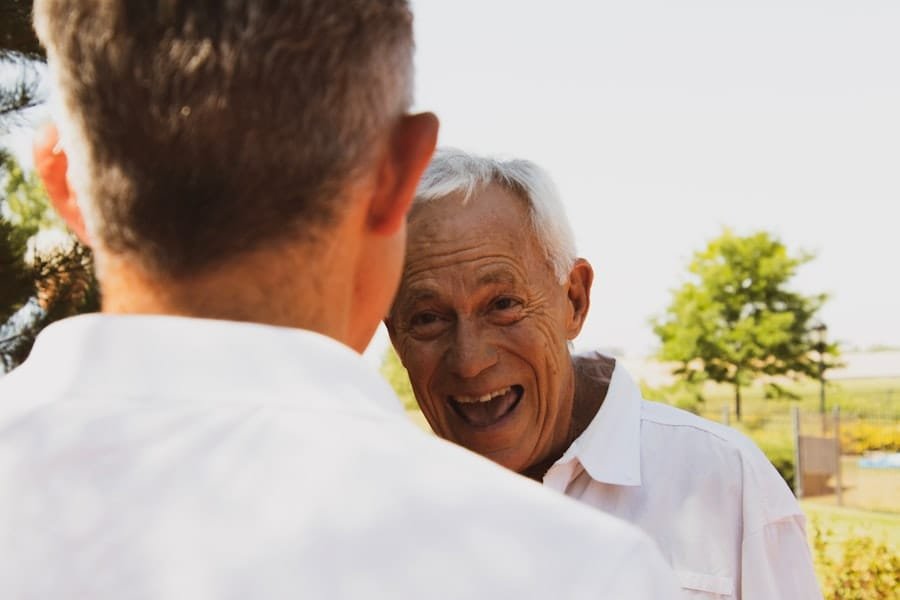
Over time, many of us begin to feel a drop in our energy. This can be the result of various factors - physical activity, stress or even health problems. When our energy is low, we can feel tired and powerless, which directly affects our ability to be independent.
Activities that were once easy and enjoyable can now seem like an overwhelming task. This drop in energy can lead to feelings of helplessness and dependence on others. We may begin to avoid social engagements or even daily chores, further increasing feelings of isolation.
It's important to find ways to boost our energy – whether it's through physical activity, healthy eating, or simply rest and relaxation. Maintaining an active lifestyle can greatly improve our mood and general well-being.
Need for medical care and medication
As we age or have chronic illnesses, we often become dependent on medical care and medications. This can be stressful and confusing, especially when we have to keep track of multiple prescriptions and medication schedules. We can feel overwhelmed by information and responsibilities related to our health.
The need for medical care not only requires time and effort, but can also lead to financial difficulties. We need to be informed of our rights and the resources available to assist us in this process. It is also important that we maintain open communication with our doctors and medical professionals so that we can receive the best possible treatment and support.
Social isolation and need for company
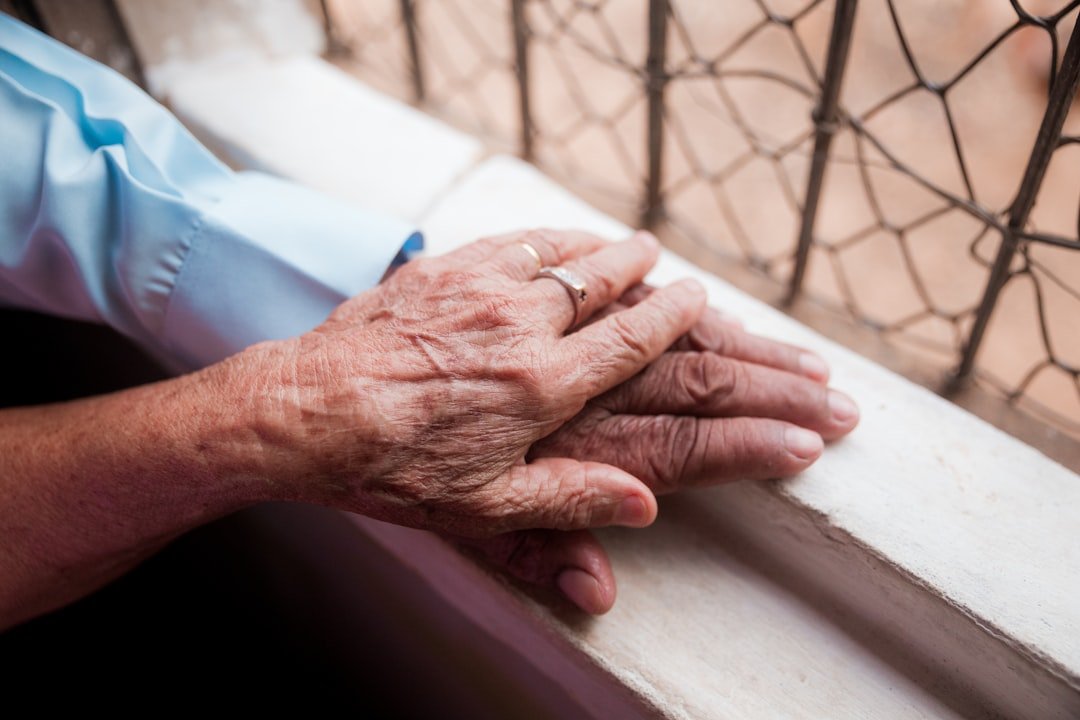
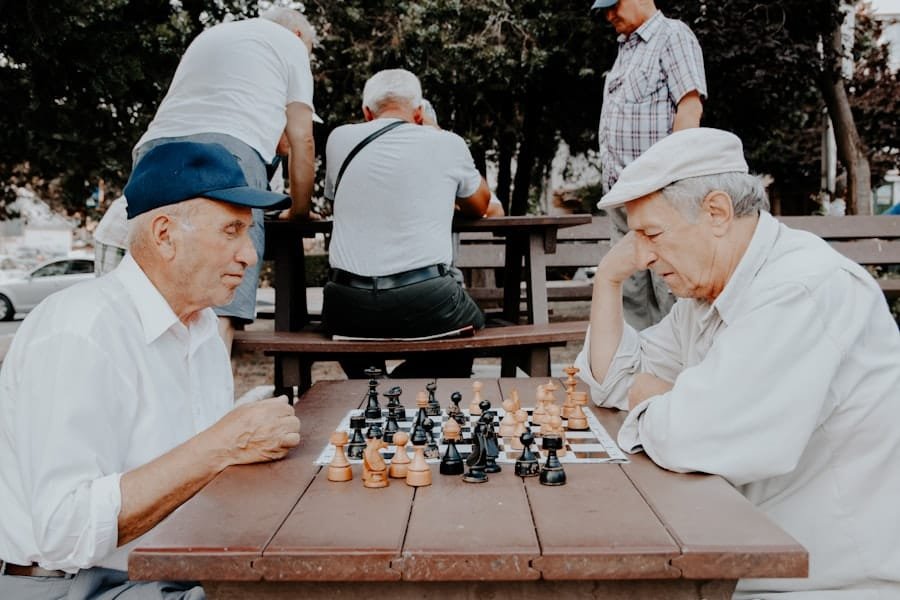
Social isolation is one of the most serious problems we can face in later age or in the presence of physical difficulties. When we are limited in our movements or have memory difficulties, we can begin to withdraw from social life. Feeling alone can be devastating and lead to depression and anxiety.
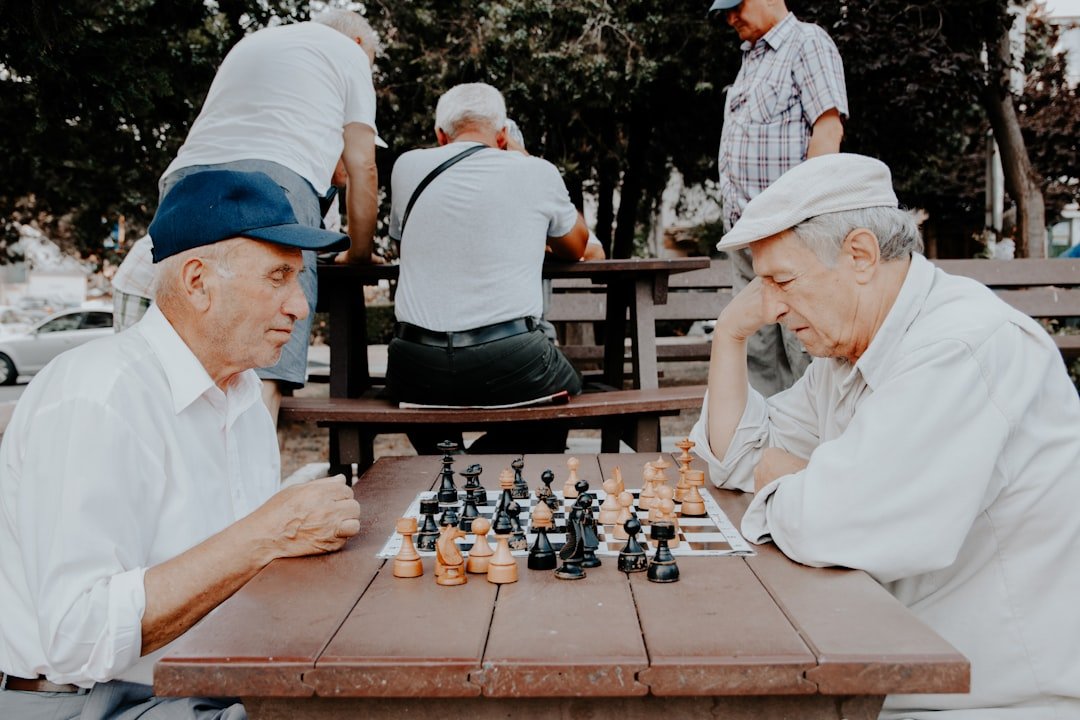
The need for company is a natural part of human nature. We all need social connectedness and support. It's important to look for ways to maintain social contact – whether it's through visiting friends, participating in group activities, or even online interactions.
Creating a support network can greatly improve our mental health and general well-being.
Difficulties with power supply and personal hygiene
Difficulties with feeding and personal hygiene are common problems in people with physical limitations or advanced age. We may face difficulties in preparing food or even performing basic hygiene procedures. These challenges can not only affect our health, but can also lead to feelings of shame and dependence.
It is important to realize that there are solutions to these problems. We can seek help from relatives or professionals who can help us with food preparation or personal hygiene. There are also food delivery and household help services that can make our daily lives a lot easier.
Maintaining good hygiene and proper nutrition is key to our health and well-being.
Changes in behavior and mood
Changes in behavior and mood are common in people who are going through physical or mental challenges. We can become more irritable, anxious or even depressed. These changes may result from the stress associated with physical limitations or social isolation.
It is important to recognize these changes and seek help if needed. We must also be attentive to our loved ones who may also be experiencing similar changes. Support and understanding are key to dealing with these challenges.
Often, talking to friends or therapists can go a long way in relieving tension and improving mood.
Decreased mobility and the ability to move independently
Decreased mobility is one of the most concerning aspects of aging or having chronic diseases. When we begin to feel restricted in our movement, we can feel vulnerable and dependent on others. This can significantly affect our ability to move independently and participate in daily activities.
However, it is important to remember that there are ways to maintain mobility even with physical limitations. Participating in rehabilitation programs or physical therapy can greatly improve our mobility and quality of life. Also, using aids such as canes or wheelchairs can help us maintain our independence and active lifestyle.
In conclusion, we face many challenges throughout our lives, especially when it comes to physical difficulties, social isolation and mood swings. However, it is important to seek help and support, both from our loved ones and from professionals. With the right approach, we can not only overcome these challenges, but also improve the quality of our lives.
FAQs
How do we know when it is necessary to start thinking about caring for an elderly person?
There are several key factors that can help us understand when it is necessary to start thinking about caring for an elderly person. These include changes in the adult's functional ability, changes in physical or mental health, difficulties in everyday tasks and the need for ongoing care and support.
What are some of the main signs that we need to start thinking about caring for an elderly person?
Some of the main signs that we need to start thinking about caring for an elderly person include difficulties in everyday tasks such as dressing, eating and hygiene, forgetting important things, changes in physical health such as weight loss or reduced mobility, and changes in internal habits such as sleeping and eating.
What is the role of caring for an elderly person?
The role of an elderly carer is to provide the necessary support and care for the elderly person who may need help with daily tasks, medical care, social support and companionship. Care for an elderly person can be provided by the family, professional carers or specialized care institutions.