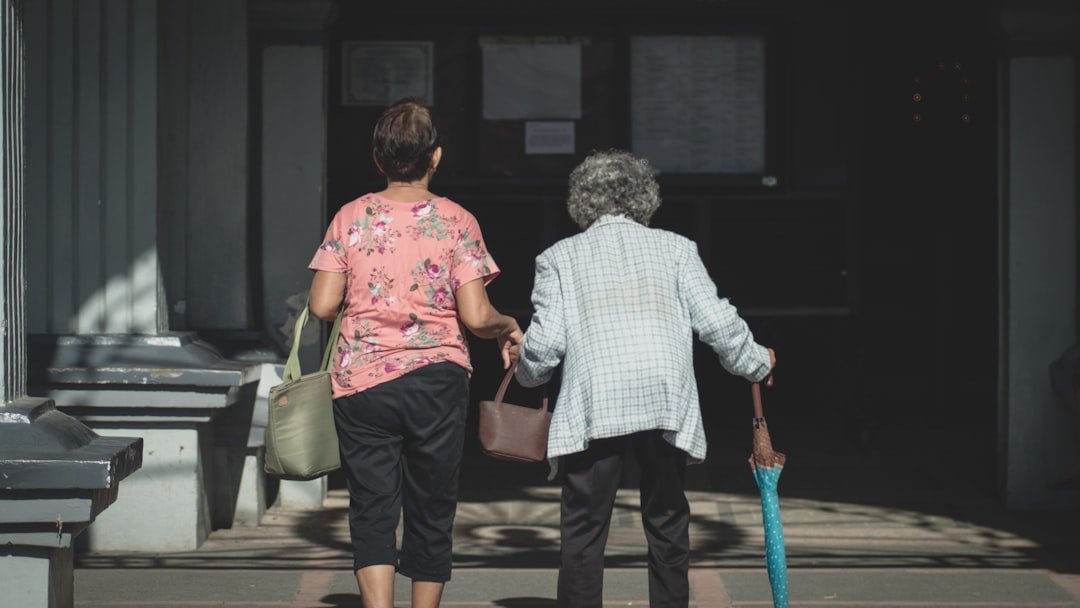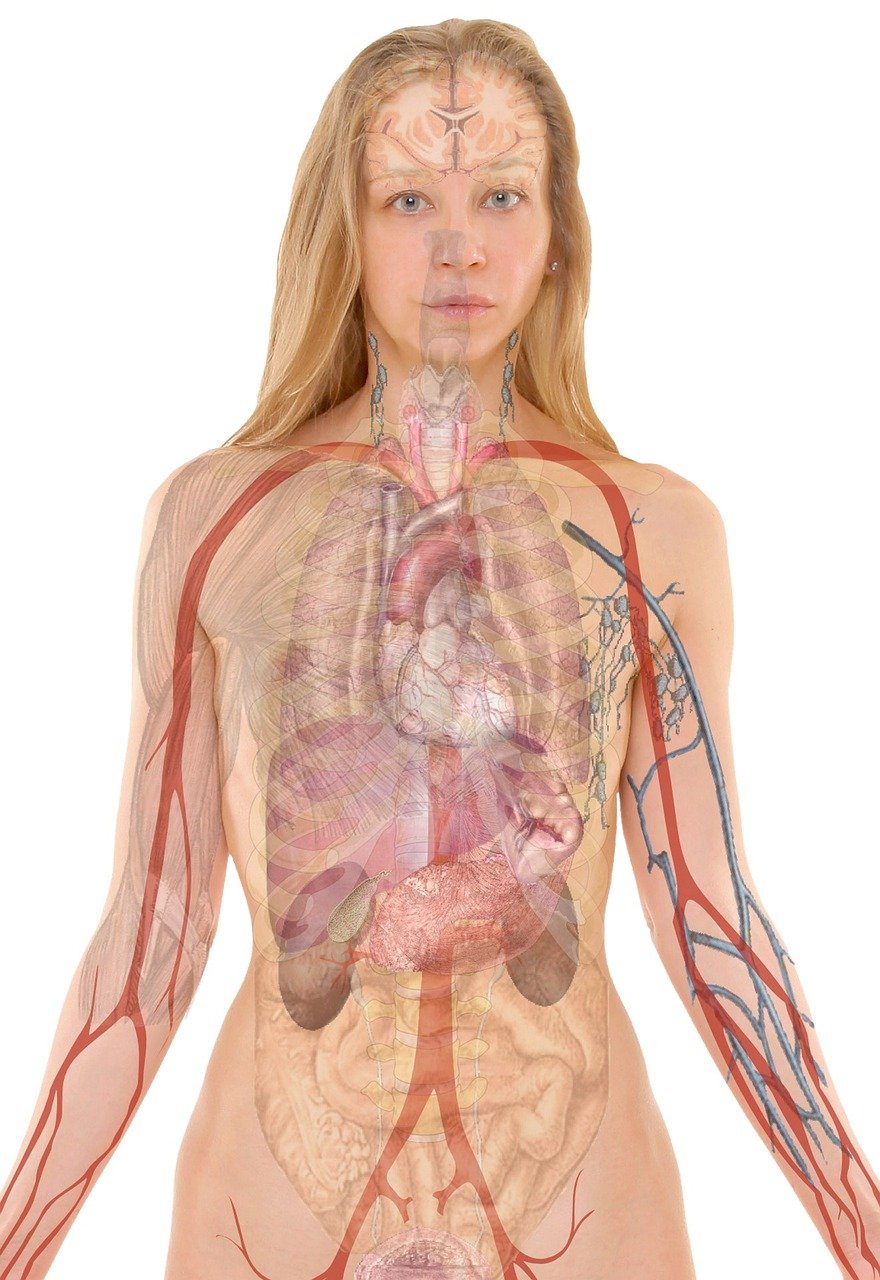
Looking at the life cycle, we often come to the point where the roles are reversed. Our children are becoming adults, and our parents, once pillars of strength and wisdom, are beginning to show signs of vulnerability. In this delicate transition, the idea of moving an elderly loved one closer to us - be it in the same city, on a neighboring street, or even under the same roof - appears as a natural decision dictated by love and care. But, like an iceberg, this decision has much deeper dimensions than it appears on the surface. As someone who has gone through this process, or at least thought about it deeply, I feel the need to scrutinize all aspects, raise questions and offer perspectives that often remain hidden behind the veil of good intentions. Let's remove the emotional layer and analyze this step with cold reason and pragmatism, because the consequences can be both life-saving and debilitating.
The idea of moving an elderly loved one closer to us is woven from many virtues. At first glance, it offers obvious benefits, which are often the driving force behind such decisions.
A. Improving the quality of life of the loved one
When our parents or loved ones age, they often face challenges such as loneliness, reduced mobility and difficulties in coping with daily tasks. Our closeness can be a lifeline.
1. Easier access to care
Physical proximity allows easier and faster access to help. Whether it's scheduled visits or emergency situations, knowing that we can respond immediately is a huge comfort. For example, if a parent falls or becomes unwell, the reaction time is shortened dramatically. It's not just a convenience, it can be a life-saving factor.
2. Overcoming social isolation
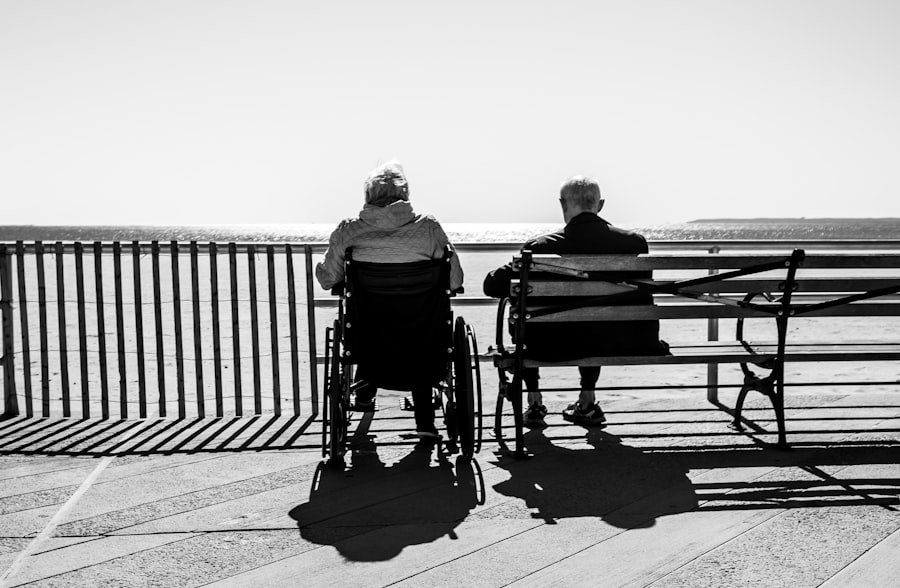
Loneliness is a serious problem among the elderly, often leading to depression and deterioration of general health. Our proximity gives us the opportunity for more frequent contacts, family dinners and joint activities. This not only improves their quality of life, but also helps them feel valued and loved. They once again become part of active family life, not merely present on the fringes.
3. Help with household and daily tasks
Many older people have difficulty shopping, cooking, cleaning, maintaining the home, or organizing bills and paperwork. Our proximity allows us to offer the practical help that is vital to their independence and dignity. It's not about taking control, it's about providing support that allows them to continue to live life to the fullest.
B. Peace of mind for us as caregivers
From the perspective of the children, the relatives who care, relocation also offers significant advantages.
1. Reducing anxiety
Constant concern for the well-being of an elderly parent who lives far away is a heavy burden. The constant thoughts like "Is he okay?", "Did he do well?", "Does he need anything?" exhausting. Proximity allows us to have a better idea of their condition and to intervene promptly, reducing this chronic anxiety.
2. Easier coordination of medical care
As we age, medical needs increase. Navigating the health care system, keeping appointments, accompanying doctors, and ensuring accurate medication intake can be challenging. Physical proximity greatly facilitates this process, making us more effective advocates for their medical needs.
3. Preserving family ties and passing on experience
Children and grandchildren have the opportunity to spend more time with their elderly relatives, learn from their wisdom and life experience. This not only enriches all generations, but also strengthens family ties, creating unforgettable memories. Grandparents are an integral part of childhood and their presence is a gift.
II. Real Challenges: Shattering Illusions
Despite all the obvious advantages, moving an elderly loved one closer to us is not a one-sided coin. Beneath the surface lie a number of serious challenges that, if not addressed in advance, can become a source of significant stress, conflict and frustration for all parties involved.
A. Logistical and financial aspects
Before getting to the deeper emotional nuances, we need to deal with the pragmatic issues.
1. Housing solutions and costs
Where will the elderly person live? In a separate residence nearby? Or under our roof? Each option carries with it its own financial and logistical implications.
- Separate dwelling: This may be less invasive, but comes with the cost of rent, maintenance, utilities. Availability of financial resources is key. The accessibility of the home should also be considered - is there an elevator, is it close to shops and transport?
- Cohabitation: Although it is economically more profitable, it is emotionally and spatially the most challenging. Is there enough space? Can personal space be provided to everyone? How will general household expenses be distributed? Adaptation repairs (ramps, handrails, wider doors) can also be significant.
2. Transportation and Accessibility
Especially if the elderly loved one no longer drives, transportation to doctors, stores, social activities and meeting friends becomes our responsibility. This puts an additional strain on our time and resources. Consideration should be given to whether the new location offers adequate public transport.
3. Health and medical expenses
As we age, medical costs tend to rise. It's not just about medication and check-ups, but also potential needs for help at home, specialized care or home adaptations. Who will bear these costs? Are there insurances? These conversations should be held openly and honestly.
B. Emotional and psychological changes
Moving, even willingly, is a big change and carries an emotional charge.
1. Loss of independence and autonomy
For the elderly person, moving can be a bitter pill. Leaving the home they've lived in for decades is like being uprooted. This often leads to a sense of loss of control, independence and even identity. They may feel like a "burden" or perceive our help as an infringement on their autonomy. It is important to acknowledge and respect this feeling.
2. Change in relationship dynamics
A parent-child relationship that has been established for years can change dramatically. The roles can be reversed - the child becomes the caring parent and the parent becomes the object of care. It is a delicate dance that requires flexibility on both sides. The parent may be expected to adapt to new house rules, while the child must learn to balance care with respect for dignity. Old conflicts may surface, amplified by the new closeness.
3. Burden on the caregiver
Caring for an elderly loved one is hard work, both physically and emotionally. It can lead to exhaustion, stress, depression and guilt. The boundaries between personal life, work and care are becoming blurred. It is important to realize that an exhausted caregiver is not an effective caregiver. Means of respite and support should be provided.
4. Impact on family life
If the elderly person moves under our roof, it will inevitably affect the marital relationship and the relationship with our children. Personal space becomes limited, the routine changes, and the needs of the elderly person may take precedence over the needs of other family members. Our children will also have to adapt to the new presence. How will the different generations fit together? This is an issue that requires open dialogue.
III. Pitfalls: Hidden dangers and unexpected twists

Some consequences of relocation are less obvious and may only become apparent after the decision has been made and implemented. These "pitfalls" can have long-lasting negative effects if not anticipated and mitigated.
A. Mismatch of expectations
One of the biggest causes of conflict and frustration is a mismatch between the expectations of all parties.
1. Different notions of "care"
Everyone has their own definition of what it means to care or be cared for. The elderly person can expect full control over their life, but also constant help, without realizing the limitations of the carer's time and energy. We may expect gratitude and cooperation, but encounter resistance or passive-aggressive behavior. Open communication, even if painful, is essential.
2. Lack of clear boundaries and communication
Neglecting to set clear boundaries about responsibilities, personal space, visitation time, and house rules can lead to constant friction. For example, how often should we visit? How often should we call? Can the elderly person enter our part of the home uninvited? These matters require prior agreement. Metaphorically speaking, like building a house, if the foundations are not strong and the plans are not clear, the whole structure will be unstable.
3. Dependence and co-dependence
Moving can encourage an unhealthy dependency where the elderly person relies too much on us, even for things they could do on their own. At the same time, we may develop codependency, feeling indispensable and taking on too many responsibilities, even when outside help would be more appropriate. This can suffocate the remaining independence of the elderly person and completely exhaust us.
B. Deterioration of health requiring a higher level of care
No one can predict the future with certainty. The elderly person's condition may deteriorate suddenly or gradually, exceeding our capacity to care.
1. Progressive diseases (dementia, Alzheimer's, etc.)
If the elderly person suffers from a progressive disease such as dementia, the care needs will increase exponentially. This may require 24-hour supervision, specialized skills and even physical strength that we may not have. This is the time when even the most dedicated care from a loved one may be insufficient, leading to feelings of powerlessness and guilt.
2. Need for professional help
At some point, moving closer to us may not be enough. The need for professional medical personnel, physical therapy, or even care in a specialized facility may become unavoidable. This is an extremely difficult emotional time, especially since we have invested so much in the idea of "care at home." It is important to recognize our limits and not be afraid to seek expert help.
IV. Preparation and alternatives: Mapping the terrain
Before making any move, here are a few steps that I think are absolutely necessary. Imagine you are at the threshold of a jungle - you would not enter without a map, compass and the necessary equipment. This process is exactly that.
A. Open and honest communication with all parties involved
Communication is a golden key, opening the door to understanding and reducing the risks of conflicts.
1. Conversations with the elderly relative
The most important thing is to have an open and honest conversation with the elderly person. Let him/her express his/her desires, fears and expectations. Do you feel ready for this change? What does he want to keep from his previous life? What does he expect from us? These conversations should be more than a one-off, but an ongoing dialogue. Metaphorically speaking, we do not impose a road map, we create it together.
2. Conversations in the family
All family members who will be affected by the move (spouse, children, other siblings) should be included in the discussions. What will their roles and responsibilities be? How will the burden be distributed? Do they have their own concerns? Family consent and support are essential. Their absence is like a crack in a wall that will grow over time.
3. Discussion of financial and legal matters
It is crucial to discuss the financial aspects: who will pay for what, what resources are available, whether there are wills or other legal documents that need to be revised. Talking to an attorney who specializes in probate or elder care can be extremely helpful. Having a clear financial framework is our responsibility.
B. Exploring Alternative Approaches and Resources
Moving closer isn't the only option. We have to look at other possibilities.
1. Professional home care services
Before committing to cohabitation, we can explore the possibilities of professional assistance in the elderly person's home. House managers, home visiting nurses or assistants can take on some of the burden. This can allow them to stay in their own home for longer and maintain their independence.
2. Day care centers for the elderly
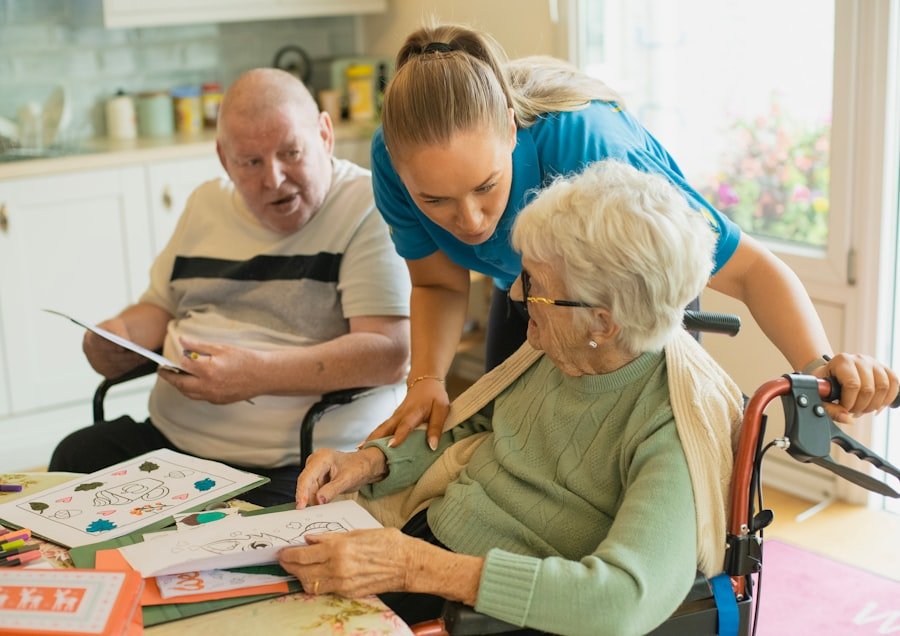
Day care centers offer social activities, meals and supervision, providing a stimulating environment for seniors and giving caregivers a break during the day. It's a great compromise that combines care with independence.
3. Assisted living and specialized facilities
If care needs are high or the elderly person needs constant medical supervision, assisted living or specialized care facilities may be the best solution. These places offer professional care, social activities and security while easing the burden on the family. This is not "handing over" but providing the best possible care.
4. Technological solutions
Modern technologies offer a number of solutions for remote monitoring and support of the elderly - emergency call systems, smart fall sensors, video intercoms and automated medicine dispensers. They can provide peace of mind and extend the period in which the elderly person can live independently.
V. Self-analysis and limits: Knowing one's own limits
| Aspect | Description | Possible consequences | Recommendations |
|---|---|---|---|
| Emotional health | Change in the social environment and routine of the elderly person | Stress, depression, feeling isolated or confused | Providing social support and maintaining familiar activities |
| Physical health | Change in access to medical services and care | Risk of missing medical examinations or improper care | Planning medical care and providing appropriate assistance |
| Logistical challenges | Organization of living space and transport | Unsuitable housing, mobility difficulties | Adapting the home and providing convenient transportation |
| Relationships in the family | Change in dynamics between family members | Conflict, stress, or caregiving overload | Open communication and division of responsibilities |
| Financial aspects | Relocation, care and adaptation costs | Unexpected financial difficulties | Planning the budget and looking for opportunities to help |
Before accepting this responsibility, we must look within and assess our own capabilities and limitations. This self-examination is like checking the load we are willing to carry - we should not exceed our capacity or we will collapse.
A. Assessment of own resources
We have to be realistic about what we can offer.
1. Time and energy
Caring for an elderly person is time consuming and energy consuming. Do we have enough free time to provide the necessary support? How will this affect our career, personal life and family? Physical and emotional fatigue can quickly pile up.
2. Financial capabilities
Even without cohabitation, relocating a loved one usually leads to additional expenses. Do our financial resources allow us to cover these costs without jeopardizing our own financial stability?
3. Emotional endurance
Are we emotionally prepared for changes in relationship dynamics, potential conflicts, and witnessing our loved one age and possibly deteriorate? Caregiving can be extremely emotionally taxing.
B. Setting clear and realistic boundaries
Setting boundaries is not selfish; it is a necessity to preserve our mental health and ability to be effective caregivers.
1. Defining roles and expectations
Before the move, we need to clearly define what we are willing to do and what we are not. Who will handle medical appointments? Who will do the shopping? How often will visits occur? These agreements should be documented if necessary. This helps avoid misunderstandings.
2. Preserving personal space and time
Whether the elderly person lives with us or nearby, it is crucial to maintain our personal space and time for ourselves, our family, and our hobbies. Emotional and physical overload is a recipe for disaster, leading to burnout. We need to have our own 'tank' to recharge.
3. Seeking support and help from outside
No one can carry the burden alone. We must be ready to seek help from other relatives, friends, professionals, or support groups. Admitting that we need help is a sign of strength, not weakness.
In conclusion, relocating an elderly loved one closer to us is a decision filled with good intentions and potential for warmth and support. However, it is also a path fraught with challenges that can upend everyone’s lives. Before taking this step, it is vital to conduct thorough self-reflection, open conversations, and careful exploration of all options. Only through a thoughtful evaluation of the benefits, challenges, pitfalls, and alternatives can we make an informed decision that truly benefits everyone involved without becoming a source of frustration and exhaustion. Avoid illusions, seek facts, and be realistic. Only then can you build a bridge, not destroy one.
FAQs
Why is it important to consider the consequences of relocating an elderly loved one closer to us?
Relocating an elderly loved one can affect their emotional and physical well-beingas well as family dynamics. It is important to consider all aspects to ensure the comfort and safety of the elderly person.
What are the potential challenges of relocating an elderly person closer to the family?
Among the challenges are adapting to the new environment, potential conflicts in family relationships, the need for additional care, and changes in the elderly person's daily habits.
How can we prepare the elderly person for the move?
Preparation includes discussing the changes with them, ensuring familiar belongings and routines, as well as gradually adapting to the new environment to reduce stress and anxiety.
What are the benefits of moving an elderly loved one closer to the family?
The move can improve social support, facilitate care and communication, and ensure a quicker response in emergency situations.
What factors should be considered when deciding on a move?
It is important to assess the elderly person's health condition, their preferences, the availability of a suitable living environment, care options, and the impact on all family members.