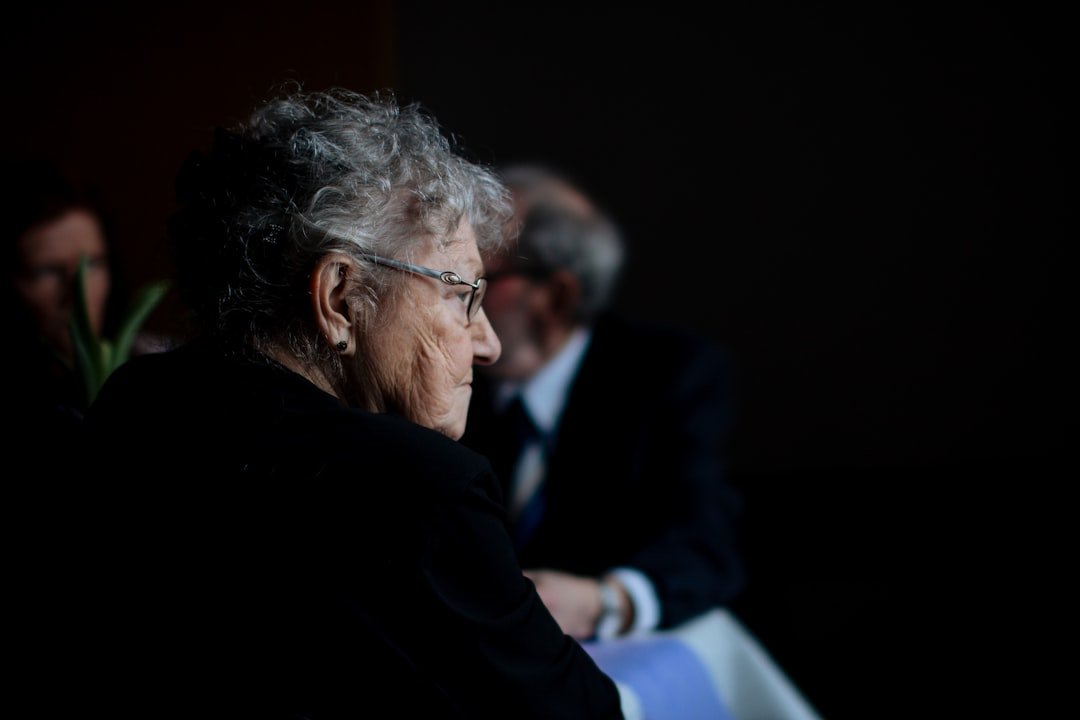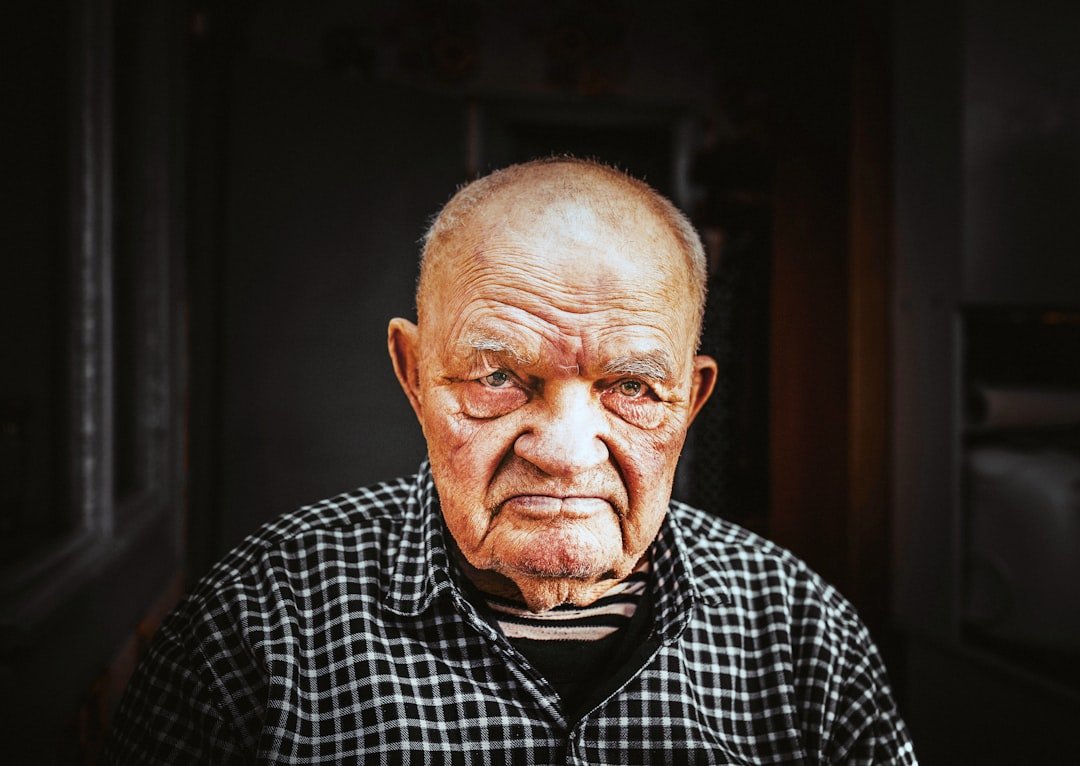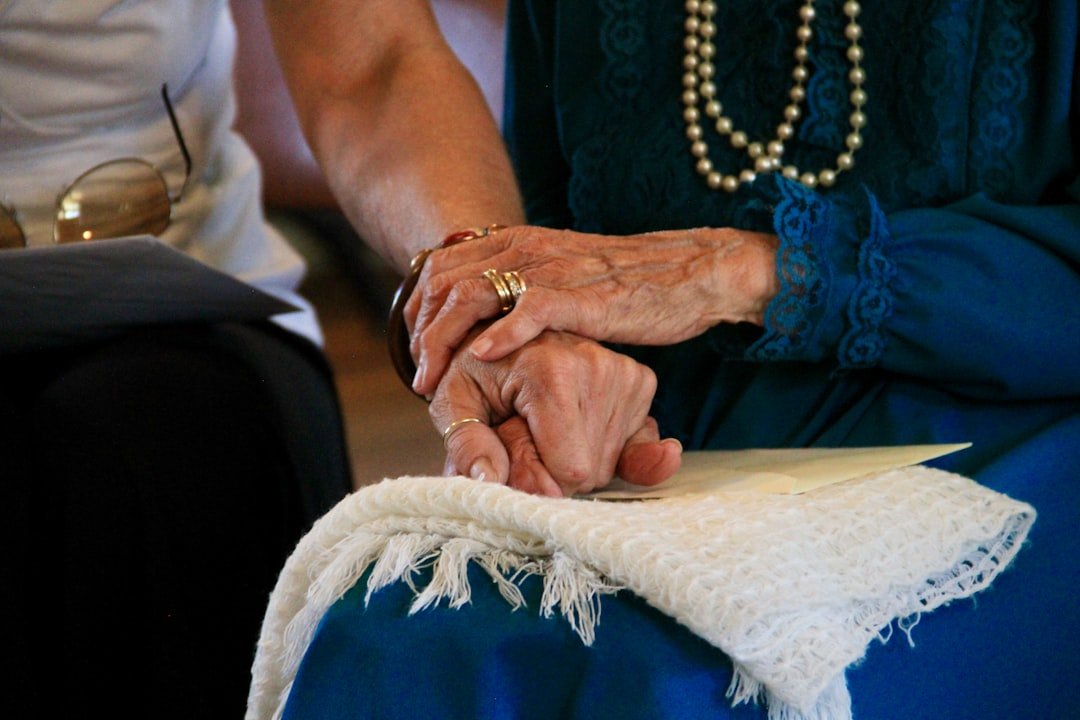
We asked a group of seniors enjoying the present (along with mental and physical health experts) for their secrets to living happily in their 70s, 80s, 90s and beyond. Everyone agrees: it's time to stop being afraid of progress.
We often see growing old as an inevitable path to decline, a gradual fading of the bright colors of youth. In our society, where youth is often heroized, old age is sometimes treated as a shadow, as a period to be experienced rather than experienced. But what happens when we change that perspective? When we look at the mature years not as the end of a journey, but as a new, often enriched chapter?
To find answers, we conducted in-depth conversations with a group of seniors who vividly refute the stereotypes of old age. These individuals, aged between 70 and over 90 years, do not simply exist, but seethe with life, with curiosity and with deep inner harmony. Their stories, shared with mental and physical health experts, reveal a common truth: fear of progress is more dangerous than progress itself. We agree that the key to a happy life beyond the 70s, 80s and 90s is not to fight time, but to embrace it and find meaning in each passing day.
1. Understanding Progress as Evolution, not Involution
We break down the notion of "progress" into smaller, manageable components that we can analyze. It is not an abrupt transition, but a fluid process that shapes our personality in unique ways. Our thoughts about aging are often based on incomplete or distorted notions that none of us can escape.
1.1. Physical Changes: Acceptance and Adaptation
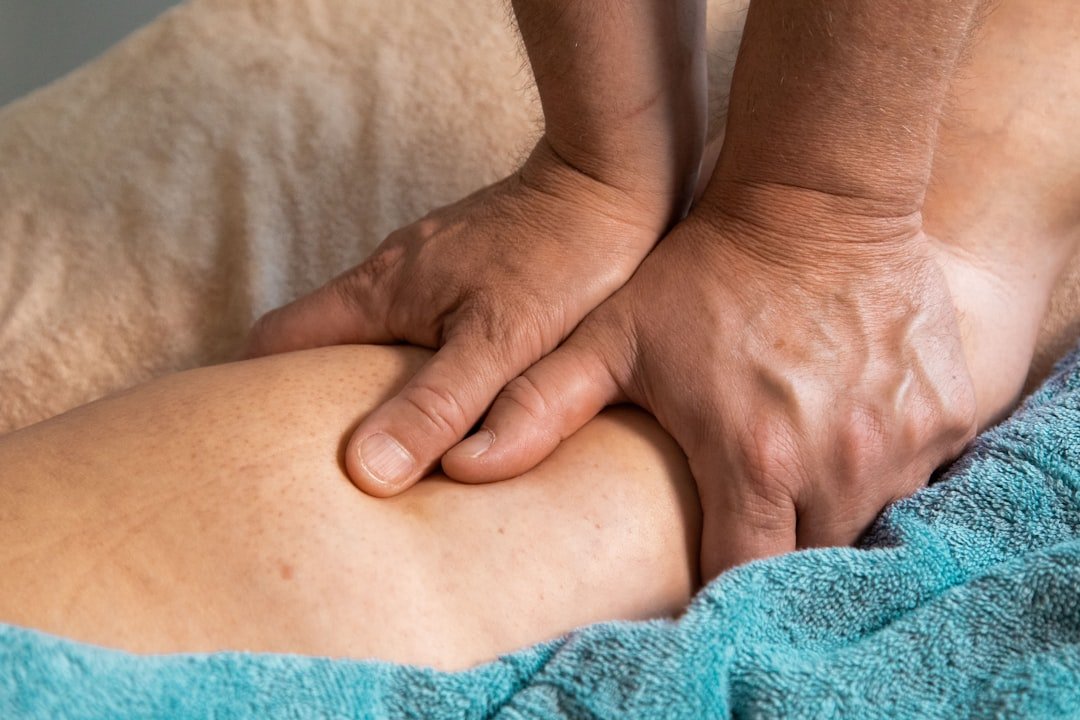
Our bodies change over time. This is a biological reality that we cannot deny. Our skin loses some of its elasticity, hair can turn gray or thin, muscle mass decreases, and joints can become rather unruly. These visible signs of the times can be a source of anxiety if we perceive them as a deviation from the "norm" that is often unrealistically associated with youth.
- Debunking the Myths About Physical Health: Geriatrics experts stress that many of the "inevitable" physical problems associated with old age are actually the result of sedentary lifestyle and unhealthy habits built up over the years. On the contrary, regular physical activity, even in a mild form, can significantly slow the process of muscle atrophy, improve flexibility and balance, reducing the risk of falls, which are a major problem for many elderly people.
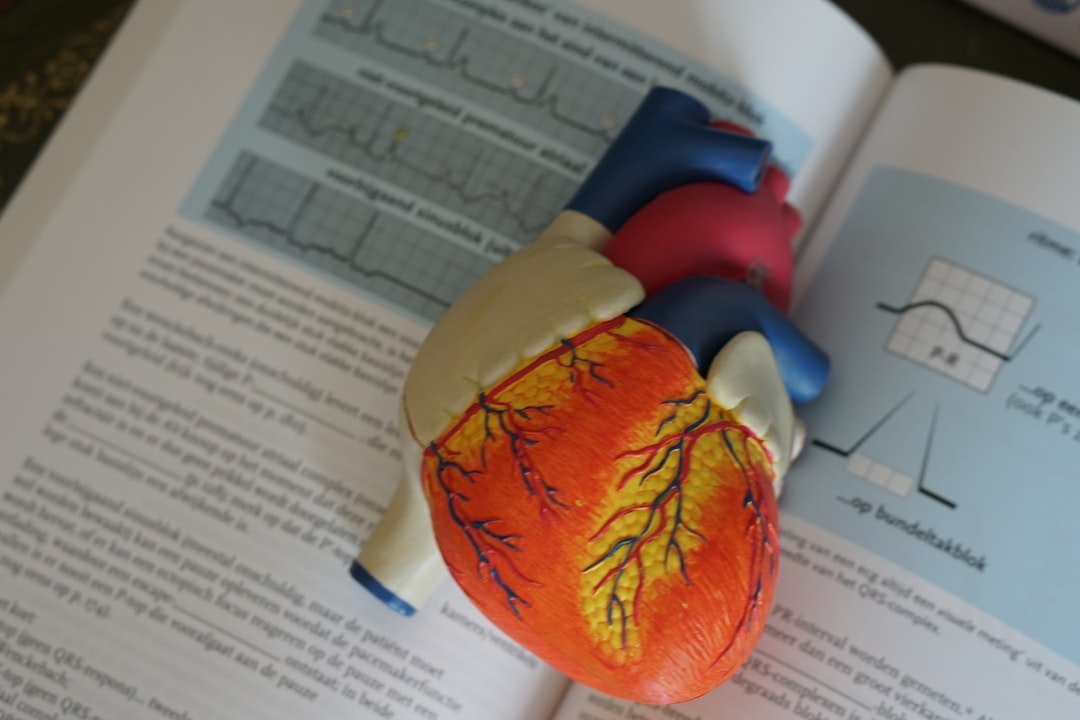
- The importance of prevention: In fact, preventive medicine plays a key role. Regular preventive examinations, early diagnosis and effective treatment of chronic diseases such as diabetes, hypertension and heart problems not only prolong life, but also improve its quality. Our interlocutors often mention that they only started paying more attention to their healthy eating and exercise habits in recent decades, and the results are astounding.
1.2. Cognitive Changes: Stimulation and Training
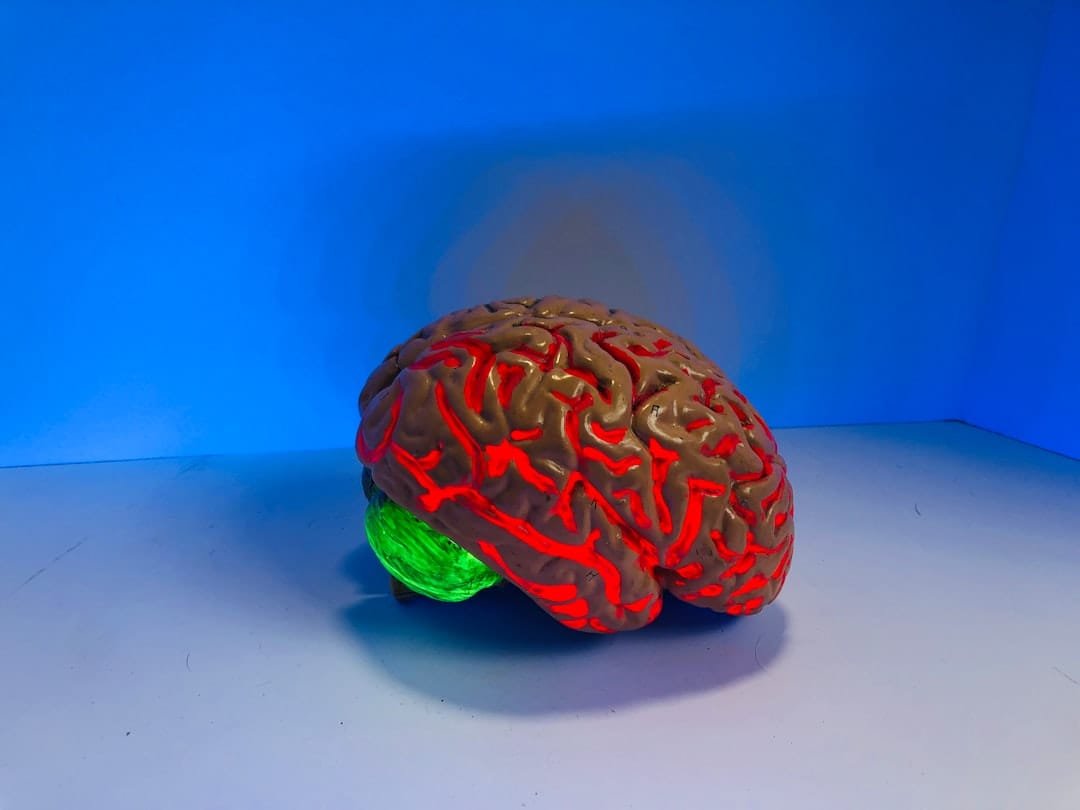
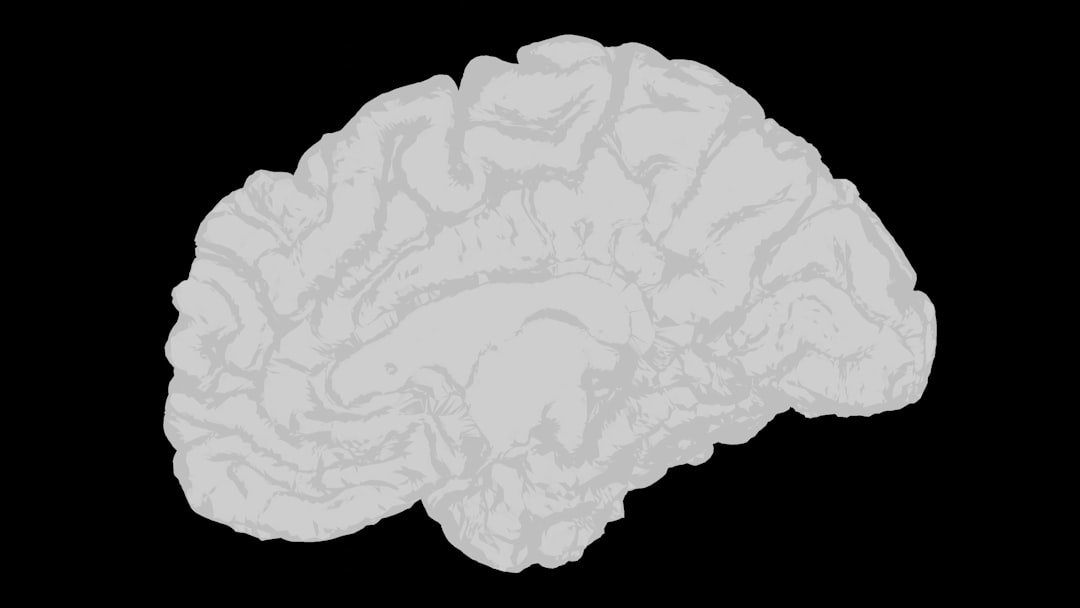
Cognitive functions also undergo changes with age. We may notice that reaction time is lengthened, and recalling information sometimes requires more effort. However, this does not mean inevitable cognitive decline.
- "The brain is like a muscle": Like muscles, the brain also needs exercise to maintain its flexibility and strength. Memory games, learning new languages or skills (for example, playing a musical instrument), reading, solving crosswords and solving logic problems are extremely effective ways to maintain cognitive abilities.
- The importance of social engagement: Social contacts are just as important as intellectual stimulation. Discussions with friends, participation in club activities, volunteering all activate different areas of the brain and help maintain wit. We learned that many of our most energetic interviewees maintain extensive social networks and are actively involved in community activities, giving them a palpable sense of vitality.
2. Embracing Experience: Wisdom as a Privilege
As we grow older, we must not forget that we are also gaining experience. This experience is not just a collection of memories, but a valuable resource that we can use to guide not only our own lives, but those of others as well.
2.1. Experience as a compass
Sharing life experiences is like handing a map with secret routes to an inexperienced traveler. These are paths we've walked, mistakes we've made, and lessons we've learned.
- Avoiding Repeated Mistakes: Mature people can serve as a kind of "buffer" against repeating mistakes by sharing their perspective without imposing their lifestyle. They understand that each generation has its own path, but they can offer tips to save time and hassle.
- Understanding Fundamental Human Needs: Gaining experience often leads to a deeper understanding of fundamental human needs—the need for belonging, love, recognition, and meaning. Those who have passed through different life stages often have a more nuanced view of the complexities of human relationships and motivations.
2.2. The role of mentoring
Older generations have the unique ability to be mentors. This does not necessarily mean formal programs, but simply the sharing of wisdom and support.
- Transfer of values and skills: Mentoring can take many forms, from teaching young people a trade to sharing life values and principles. Many of our interviewees are happy to mention that they find great satisfaction in 'passing the baton', helping younger people find their way.
- Keeping the connection between generations: This role of mentors helps build healthy relationships between generations by creating bridges of understanding and respect. It is an antidote to the social isolation that sometimes accompanies advancing age.
3. Discovering New Horizons: Time for Yourself
We often assume that once the kids are grown and the career is over, our lives "shrink." But the truth is, getting older can be a time to expand, to reinvent yourself, and to pursue long-forgotten dreams.
3.1. Pursuing old passions
Many seniors we spoke to shared that their greatest satisfaction comes from pursuing hobbies and passions that were shelved during the years of responsibilities.
- Art, Sports, Travel: Whether it's drawing, writing, gardening, playing music, sports, or traveling, these pursuits bring joy and meaning. Our interviewees often mention that the years of working and taking care of family were important, but now they have the freedom to devote themselves to the things that really excite them.
- New skills and challenges: Learning new skills – be it digital, culinary or linguistic – keeps the brain active and gives a sense of achievement. Some of our oldest interlocutors are happy to share that they have mastered computer skills or started learning a new language, which opens new doors to the world.
3.2. The importance of freedom and flexibility
After the main parental and career responsibilities are completed, it is time for a new form of freedom.
- Time planning: Although we may not have the same physical energy as in our youth, we often have more control over our schedule. This allows for more thoughtful planning of the day, which includes both activities that support physical and mental health, as well as those that bring pleasure.
- Adaptability to change: Our lives are woven of changes. The ability to adapt to them without clinging to the past is a key element of happiness. Our interviewees often emphasize that letting go of the past and embracing the present has helped them overcome many difficulties.
4. The Social Network: Strengthening Connections
Despite the trend towards physical changes, social engagement remains one of the strongest "stimulants" for a happy life, regardless of age.
4.1. Friendship as a resource
Friendships built over the years are like an old but reliable ship that carries us through life's storms.
- Support and Affiliation: Sharing joys and hardships with friends provides emotional support and a sense of belonging, which are essential for mental well-being. We observed that groups of friends who stayed in touch were more optimistic and less prone to depression.
- Variety of contacts: It is important to maintain a variety of social contacts - both with peers and younger people. This prevents getting stuck in the same perspective and enriches perceptions of the world.
4.2. The family and new forms of community
The family, in its broadest sense, continues to be the main point of reference.
- Relationships with grandchildren: Bonding with grandchildren is an often-cited source of joy and new beginnings. They bring freshness, energy and new meaning to our lives.
- Create new communities: Many seniors find new communities in interest clubs, volunteer groups or even online platforms. These new connections replace or complement lost contacts and provide social activity.
5. Attitude: The Key to the Door
The most important tool we have is our attitude. It is like a searchlight that illuminates our path regardless of external circumstances.
5.1. Practicing gratitude
Experts in positive psychology unanimously point to gratitude as the most important practice for improving general well-being.
- Focus on the positive: Instead of focusing on what we have lost, we should focus on what we have. The little things—a ray of sunshine, a delicious meal, a kind word, a beautiful view—can become a source of deep satisfaction when we appreciate them.
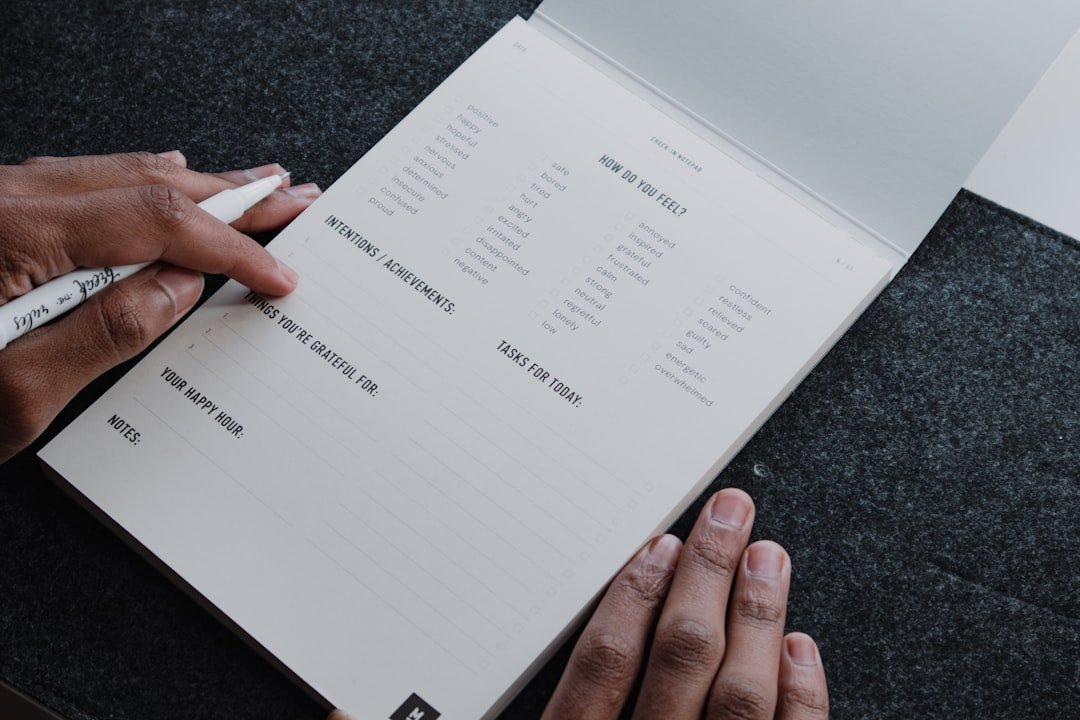
- Keeping a Gratitude Journal: Many of our interlocutors practice keeping a journal in which they write down a few things they are grateful for every day. Those who do this regularly report a significant improvement in their mood and outlook on life.
5.2. Accepting imperfections
The biggest enemy of happiness is the pursuit of perfectionism, especially when it comes to getting older.
- "It's part of the process": Realizing that physical and sometimes cognitive changes are a natural part of life helps reduce worry. Instead of fighting the inevitable, it is more realistic to find ways to adapt and even discover new advantages.
- Self-compassion: Being kinder to ourselves, not criticizing ourselves for every "wrong" thing, is key. Like how we would treat a dear friend.
In conclusion, we can say that the secret to a happy old age is not in some mysterious formula, but in a change of perspective. Old age is not the end of a story, but the continuation of a journey filled with opportunities for growth, learning and deep joy. Our interviewees showed us that the key is not to be afraid of progress, but to embrace it boldly and to realize that each stage of life brings its own unique gifts. It's time to stop being afraid of moving forward and start living each of our golden years to the fullest.
FAQs
What are the main factors for a happy life according to the elderly people in the article?
Key factors include embracing the present moment, maintaining social connections, taking care of mental and physical health, and positive attitude towards aging.
How do mental and physical health experts support the idea of a happy old age?
Experts emphasize the importance of an active lifestyle, regular medical examinations, mental resilience and social engagement as key elements for a good quality of life in older age.
Why does the article say it's important to stop fearing aging?
Fear of aging can limit personal development and happiness. Accepting age as a natural and valuable stage of life helps lead to better mental health and a more fulfilling life.
What advice do seniors have for staying happy in their 70s, 80s and 90s?
They advise focusing on the positives, staying physically and socially active, taking care of our health, and continuing to learn and grow.
According to the article, how important are social connections to happiness in old age?
Social connections are essential for emotional well-being, reducing feelings of loneliness and maintaining motivation for an active and happy life.