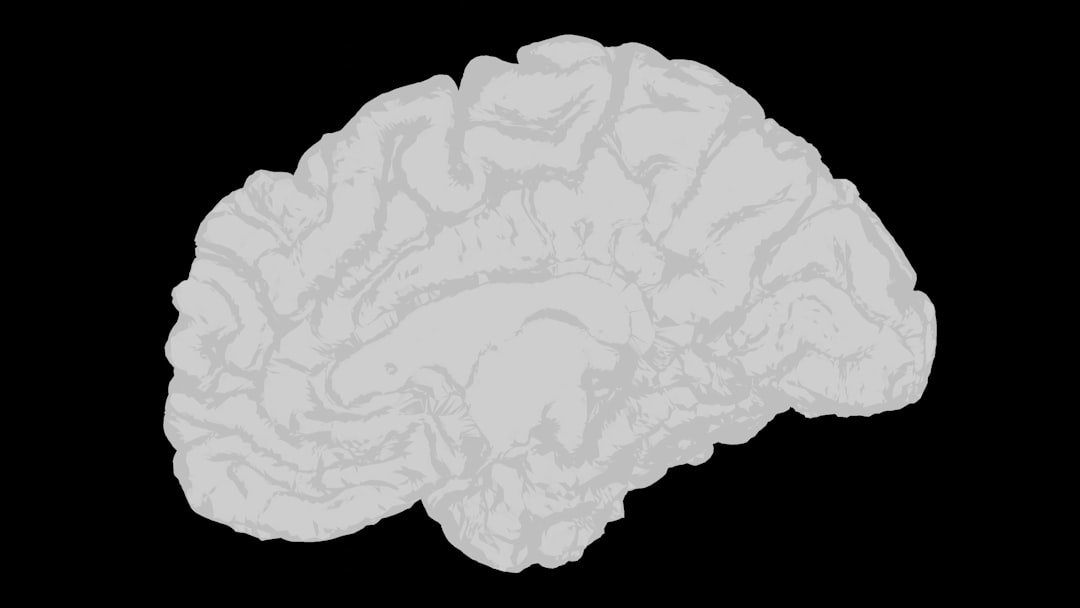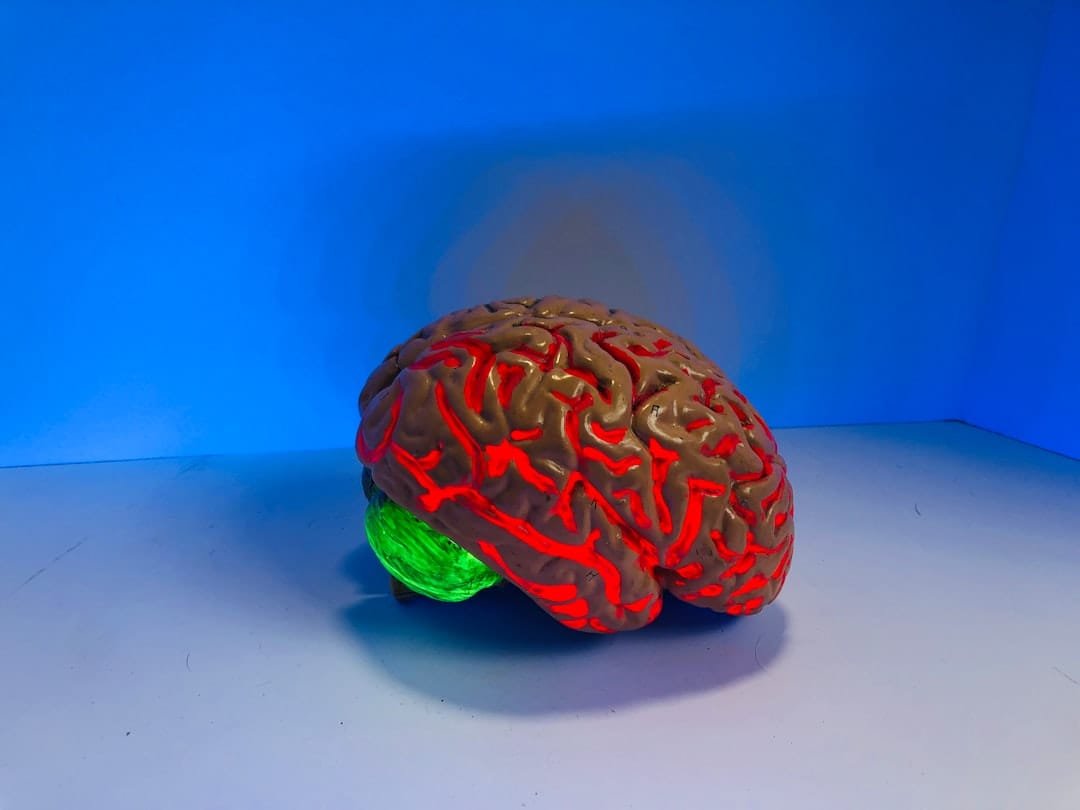
Brain memory is one of the most remarkable aspects of the human psyche. It represents our ability to store, retrieve and use information that we have accumulated throughout our lives. From early childhood to adulthood, our memory plays a key role in how we perceive the world around us and how we interact with it.
Although brain memory is a complex and multi-layered process, we can divide it into different categories, including short-term and long-term memory.
Understanding the mechanisms behind these differences is essential to understanding how our brains work and how we can improve our memory.
Summary
- Brain memory is the brain's ability to store and retrieve information.
- Brain memory formation involves processes such as encoding, storing and retrieving information.
- Emotions play an important role in brain memory formation, and strong emotions can facilitate memorization.
- Stress can be there negative impact on brain memory, leading to difficulties in memorizing and retrieving information.
- Factors such as poor nutrition, lack of physical activity and insufficient sleep can contribute to memory loss.
How brain memory is formed
Coding and processing of information
Encoding can be influenced by various factors, including our attention and the salience of the information. When something is important to us or piques our interest, the chances of remembering it increase significantly.
Storage of information
After the information is encoded, it moves into the storage stage. This is where our brain decides how and where to store the information. Long-term memory is organized into networks of related memories and knowledge, which allows our brain to retrieve information more easily.
Retrieving the information
The retrieval process is the final stage where we activate the stored information and make it available for use. All these stages work in sync to allow us to learn and adapt to the changing world around us.
Overview of the process
The relationship between emotions and memory

Emotions play an important role in how we remember information. When we are emotionally involved with an experience or event, we are significantly more likely to remember it. For example, memories of important moments in our lives, such as weddings or the birth of children, are often associated with intense emotions and therefore remain deep in our memory.
Scientific research shows that emotional events activate certain areas in the brain, such as the amygdala, which play a key role in processing emotions and memory. On the other hand, negative emotions can also affect our memory. Stress and anxiety can make it difficult to remember information or even lead to memory loss.
When we are under stress, our brain can become overwhelmed with information and fail to process everything adequately. It is important to understand how emotions affect our ability to remember so that we can better manage our experiences and improve the quality of our memory.
The effect of stress on brain memory
| и˜ÐµÑ¸Ñ°Ð¸ÐºÐ° | აააა°ააააააµბააააა |
|---|---|
| - | Ðа |
| - | Ðа |
Stress is one of the main factors that can negatively affect brain memory. When we are subjected to stressful situations, our body produces hormones such as cortisol, which can disrupt the normal functioning of the brain. High levels of cortisol can lead to problems with short-term memory and difficulty retrieving information from long-term memory.
This means that when we are stressed, we can forget important details or even entire events. Over time, chronic stress can lead to serious problems with memory and cognitive function. Research shows that prolonged stress can lead to structural changes in the brain, particularly in the hippocampus, the area responsible for forming new memories.
Therefore, it is important to find ways to manage stress in our daily lives to protect our brain memory and cognitive abilities.
Factors that contribute to memory loss
Memory loss can be the result of a number of factors. Age is one of the most significant aspects; As they age, many people begin to experience memory difficulties. The normal aging process can lead to a reduction in the volume of brain tissue and changes in the way information is processed and stored.
However, memory loss is not an invariable part of aging, and many people retain excellent cognitive function even into old age. Another important factor is lifestyle. The lack of physical activity, unhealthy eating and insufficient sleep can significantly affect our memory.
For example, studies show that regular physical activity improves blood circulation in the brain and promotes the growth of new nerve cells, which can improve memory. In addition, nutrients such as omega-3 fatty acids and antioxidants play an important role in maintaining brain health.
How to maintain a healthy brain memory
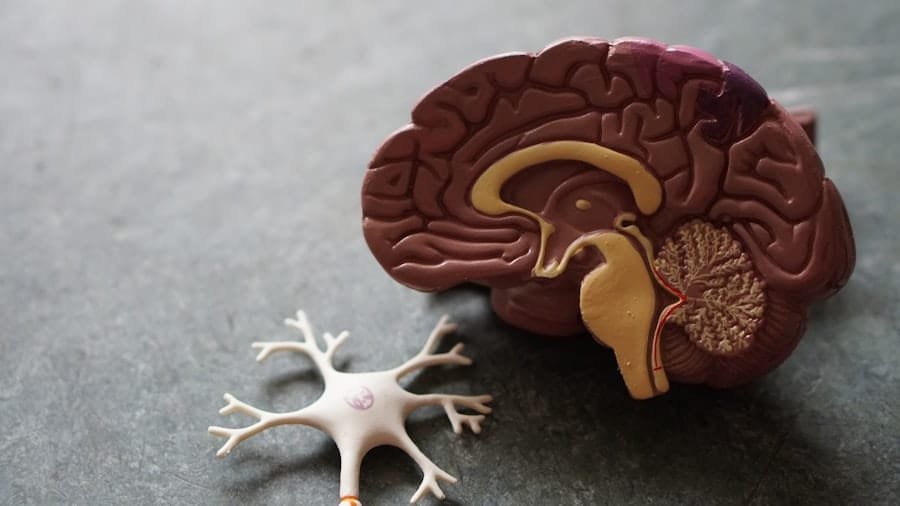
An introduction to maintaining healthy brain memory
Maintaining healthy brain memory requires an active approach to our lifestyle. The first step is regular physical activity. Exercise not only improves physical health, but also stimulates the production of neurotrophic factor, a protein that promotes the growth and survival of nerve cells.
Physical activity and cognitive function
Even short walks or light exercise can have a positive effect on our cognitive function. Physical activity is of particular importance in maintaining healthy brain memory, as it not only improves physical health, but also stimulates mental activity.
Nutrition and brain memory
In addition to physical activity, nutrition plays a key role in maintaining brain memory. A balanced diet rich in fruits, vegetables, whole grains, and healthy fats can help protect the brain from damage and aging. Proper nutrition is important for maintaining optimal brain function and preventing cognitive impairment.
Supplements to support brain memory
Nutritional supplements such as fish oil or B vitamins may also be helpful in maintaining optimal brain function. These supplements can provide necessary vitamins and minerals that are important for healthy brain memory and cognitive function.
The importance of sleep for memory retention
Sleep plays a critical role in the processes of memorizing and retrieving information. During sleep, the brain processes and consolidates the new information we have learned during the day. Not getting enough quality sleep can lead to difficulty concentrating and remembering.
Research shows that people who don't get enough sleep or have disturbed sleep often experience problems with short-term and long-term memory. To optimize the quality of sleep, it is important to establish a regular routine - going to bed and getting up at the same time every day. Creating a peaceful sleep environment and avoiding electronic devices before bed can also greatly improve the quality of our sleep.
When we sleep well, we not only improve our memory, but also strengthen our overall mental health.
Techniques to improve brain memory
There are numerous techniques and strategies to improve brain memory. One of the most effective methods is the "repetition" method. By revisiting or repeating information, we can greatly increase our chances of remembering it.
Also, visualization—associating information with images or graphics—can make remembering easier and more enjoyable. Another useful technique is to use associations. Connecting new information to already known facts or memories can make it easier to retrieve later.
For example, if we are learning a new name, we may associate it with a familiar person or situation. And last but not least, practicing brain games and puzzles can be not only a fun activity, but also an effective way to maintain and improve our brain function. In conclusion, we can say that brain memory is a complex and dynamic process that depends on many factors - from our lifestyle to our emotional state.
By becoming aware of and implementing strategies to maintain and improve our memory, we can not only protect our cognitive functions, but also enrich our lives with new knowledge and experiences.
FAQs
What is memory and how does the brain work to form it?
Memory is the process by which information is retained, stored and reproduced in the brain. This process involves several steps such as encoding, storing and reproducing the information.
What causes memory loss?
Memory loss can be caused by a variety of factors, such as diseases such as Alzheimer's and dementia, head trauma, stress, lack of sleep, drug and alcohol use, and certain medications.
How do we start to forget?
Forgetting begins when information has not been properly encoded or stored in the brain. Also, stress, lack of sleep and certain health problems can contribute to forgetfulness.
What does science know about memory and the brain?
Science has studied memory and the brain for years and has discovered that memory is formed through changes in neurons and synapses in the brain. Also, different types of memory have been discovered, such as short-term and long-term memory, as well as processes such as consolidation and reactivation.
What are the serious problems that can occur with memory loss?
Memory loss can lead to serious problems in everyday life, such as difficulties at work, social problems, depression and even loss of independence. In the cases of diseases such as Alzheimer's and dementia, memory loss can be progressive and lead to serious brain damage.