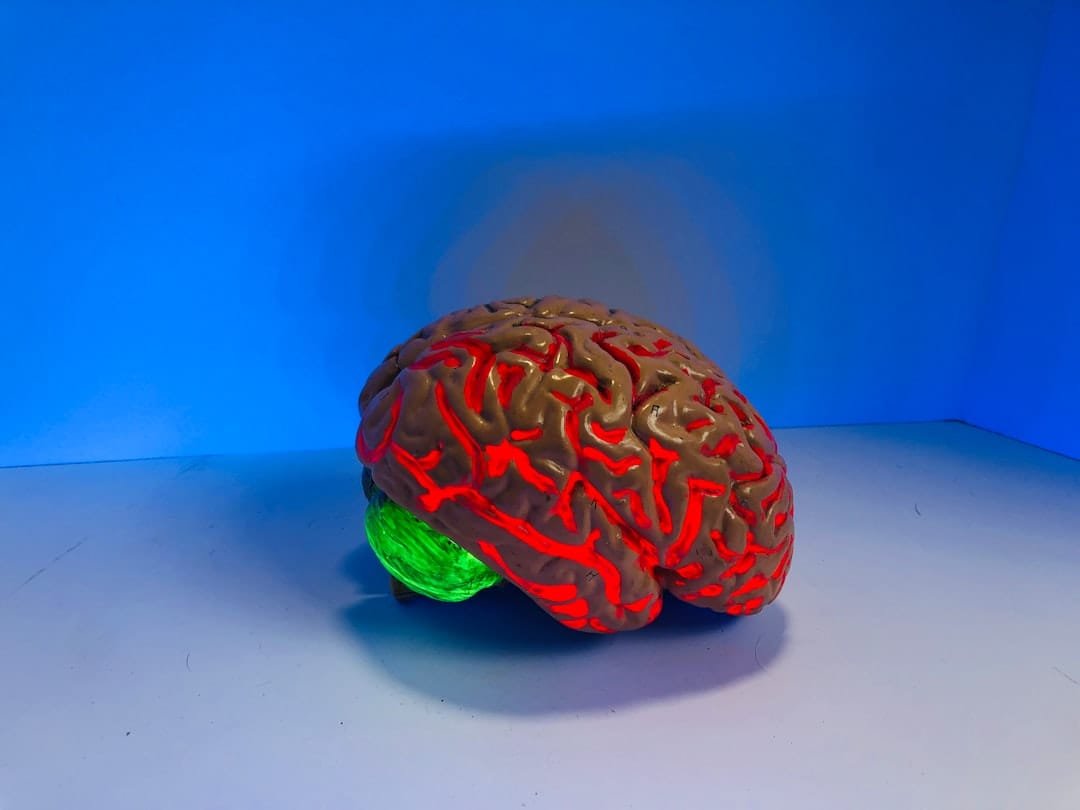
Hello readers! Today I want to share with you information that, as a person who has always been interested in scientific discoveries and their practical application, I am extremely excited. It's a study that identifies a specific brain game proven to reduce the risk of Alzheimer's with an impressive 25%. As someone who observes the increasing incidence of this disease worldwide, I cannot but emphasize the significance of such a discovery. This is not just some new fad or promising claim; it is the result of extensive research that is changing the way we think about preventing cognitive decline.
As an information researcher, the first thing I'm interested in is how this discovery was made. A team of neuroscientists from leading medical centers around the world, working closely together, have conducted large-scale, long-term study, covering tens of thousands of individuals. The purpose of this study was not specifically to look for play, but rather to examine a variety of factors—from diet to cognitive activities—that could possibly affect the risk of developing Alzheimer's.
Methodology of the Study
To reach their conclusions, the scientists used a combination of methodologies. The study was observational, but with controlled groups and placebo control where applicable. The participants were assigned to different groups, in one of which they were assigned to play specific "brain games" for a certain period of time. To avoid bias, neither the participants nor the researchers who collected the data knew which group was performing which exercise (double-blind study). This is essential to obtain objective results. I personally always look for this detail in the methodology as it lends weight to the findings.
Identifying the Key Element
Ultimately, after years of collecting and analyzing data, scientists have isolated one specific game that has shown a significant impact on cognitive health. This is the game "Memory 2048" (Memory 2048) - a specific version of the popular game 2048, but with added elements focused on memorizing sequences and rapid processing of visual information, not only on mathematical calculations. It requires the player to not just merge tiles, but to remember where certain tiles were before they were moved, and to predict next moves based on that memory.
How Memory 2048 Turns into a Cognitive Shield
When I heard about this, my first thought was, "How exactly can a game pull this off?". The answer, as usual, lies in the complexity of our brain and the way it responds to challenges. The role of neuroplasticity, or the brain's ability to change and adapt, is central here.
Neuroplasticity and the Brain Reservoir
Think of your brain as a complex network of pathways. As we age, some of these pathways can begin to break down or become less effective. Playing Memory 2048, we don't just use existing paths; we create new ones. This game requires sustained attention, short-term memory, spatial thinking and forward planning. Each of these skills stimulates different areas of the brain, keeping them active and efficient. Scientists believe that this leads to the accumulation of the so-called "brain tank" - the ability of the brain to cope with pathological changes associated with Alzheimer's without showing obvious symptoms. The larger this reservoir, the longer we can maintain our cognitive function, even if some impairment occurs.
Specific Mechanisms of Action
The game "Memory 2048" affects several key cognitive areas:
- Working memory: It is the ability to retain and manipulate information for a short period of time. The game constantly presents new challenges, requiring you to remember tile positions, potential combinations and subsequent moves.
- Spatial Orientation: Participants must visualize the movement of the tiles in the grid and predict the results. This activates areas of the brain associated with spatial awareness.
- Attention and concentration: The game requires constant attention to identify opportunities and avoid unwanted moves. It's like fitness for focus – the more you practice it, the stronger it gets.
- Planning and problem solving: To achieve a high score, you need to think several moves ahead, plan strategies and adapt to changing conditions.
Incorporating "Memory 2048" into Everyday Life: Easy, Accessible and Effective

One of the most attractive things about this discovery, from my point of view, is the easy accessibility and ability to integrate the game into everyday life. Forget about expensive therapies or complicated regimens; here we're talking about something you can do literally anywhere, anytime.
How to Get Started
There are already several mobile apps on the market that offer variations of Memory 2048. The important thing is to look for ones that specifically mention saving sequences or hidden tiles, not just the standard 2048 versions. I personally have already downloaded a few and am experimenting to find the one that works best for me.
Choosing an Appropriate Application
- Search for "Memory 2048" or "Spatial 2048": This will help you find versions that include the added element of memory and spatial thinking.
- Read descriptions and reviews: Make sure the app emphasizes memory training elements, such as memorizing sequences of tiles before merging, or discovering hidden tiles.
- Start with easier levels: As with any new activity, start gradually so you don't get discouraged.
Recommended Frequency and Duration
According to the study, even short but regular sessions are effective. I personally think that incorporating at least 15-20 minutes of play a day can be incredibly beneficial. This is time that most of us can spare regardless of our busy schedules.
- 20 minutes, 3-5 times a week: Research shows that this is the optimal frequency to achieve meaningful results.
- Break up your sessions: You can play in the morning with your coffee, during your lunch break or while traveling on public transport.
- Consistency is the key: As with any exercise, the benefits accrue over time. Don't expect instant results, but be sure you're investing in your long-term health.
Behind the Scenes: Not Just a Game, but a Holistic Approach

Although the focus is on Memory 2048, I've always emphasized that no single thing is a panacea. This game is a powerful tool, but it functions best as part of a broader approach to cognitive health. I see it as one of the cogs in the wheel of prevention, not the sole engine.
Combining with other Health Practices
I personally believe in synergy. Here's how I see the integration of this game with other proven methods of maintaining brain health:
- A balanced diet: The Mediterranean diet, rich in antioxidants, omega-3 fatty acids and whole grains, has been shown to be good for the brain. To me, that's the foundation we're building on.
- Regular physical activity: Aerobic exercise increases blood flow to the brain, stimulates the growth of new brain cells, and improves cognitive function. It is no coincidence that physical activity is one of the strongest prevention factors.
- Social Engagement: Maintaining strong social connections and active communication challenges the brain in unique ways, strengthening memory and language skills. Man is a social animal, and this is not just a saying, but a scientific fact.
- Quality sleep: Insufficient sleep can prevent the brain from clearing toxic proteins associated with Alzheimer's. For me, a good night's sleep is like a "reboot" for the brain.
- Stress Management: Chronic stress can damage brain cells and affect memory. Techniques such as meditation, yoga or simply spending time in nature can be extremely helpful.
Individual Differences and Expectations
It is important to understand that each individual is different. While the study showed a 25% reduction in risk, this is an average value. The effect may vary from person to person. I approach this with realism - I don't expect miracles, but I recognize the potential for significant improvement. The goal is to optimize our chances.
The Future of Cognitive Prevention: My Vision
| Metric | Value | Description |
|---|---|---|
| Brain training game | A specific game | A game that scientists have identified as effective |
| Reducing the risk of Alzheimer's | 25% | Percentage risk reduction for regular play |
| Frequency of play | Daily | Recommended frequency for inclusion in daily life |
| Session duration | 10-20 minutes | Optimal time for brain training |
| Age group | Adults over 50 years old | Primary target group for Alzheimer's prevention |
Having considered all these aspects, I am highly optimistic about the future of cognitive prevention. Discoveries like this with Memory 2048 show that Alzheimer's prevention doesn't have to be passive or complicated. She can be active, approachable and even pleasant.
Development of Customized Programs
I see a future where games like Memory 2048 are integrated into personalized cognitive health programs. Based on individual genetic factors, lifestyle and cognitive profiles, we will be able to suggest specific games and exercises that are most effective for each person. It's like personalized medicine, but for the brain.
The Role of Technology
Technology plays and will continue to play a key role. Mobile apps, virtual reality and even artificial intelligence can be used to create more engaging and adaptive brain training. Imagine an app that analyzes your gameplay and automatically adjusts the difficulty or introduces new challenges to keep your brain constantly stimulated.
Raising Awareness
Most importantly, we continue to raise awareness of the importance of brain health. Alzheimer's is not an inevitable part of aging; it's a disease that can be slowed or even prevented through targeted efforts. I feel it is my personal responsibility to share such information so that everyone can make an informed choice.
Conclusion: My Personal Commitment to Prevention
As someone who is constantly looking for ways to improve their health and live life to the fullest, the discovery of Memory 2048 is exciting. It gives people, myself included, a concrete, easy-to-implement tool in the fight against Alzheimer's. I don't just hear about it; I try it out.
After all, keeping our brains sharp and healthy is an investment in our future. It is an investment in our ability to remember loved ones, enjoy our hobbies and maintain our independence. And if all it takes is playing a fun game for a few minutes a day, I'm all for it. I invite you to consider incorporating Memory 2048 into your daily routine – perhaps it's one small move that will have a big impact on your cognitive health. Let's be proactive in protecting our most precious organ.
FAQs
What is the game that scientists recommend to reduce the risk of Alzheimer's?
The game is a specific brain exercise that stimulates cognitive functions and improves memory. The exact type of game can vary, but usually involves puzzle-solving tasks, logic games, or attention exercises.
How effective is this game in reducing the risk of Alzheimer's?
According to research, regular practice of this game can reduce the risk of developing Alzheimer's by about 25%.
How often does this game need to be played to have an effect?
For optimal results, it is recommended that the game be included in the daily routine, practicing at least several times a week, for about 20-30 minutes per session.
Can everyone incorporate this game into their daily life easily?
Yes, the game is easy to incorporate into everyday life as it requires no special equipment and can be played on both PC and mobile devices.
Are there other ways to reduce the risk of Alzheimer's besides this game?
Yes, in addition to brain games, a healthy lifestyle, regular physical activity, a balanced diet and social engagement also contribute to reducing the risk of Alzheimer's.