Introduction
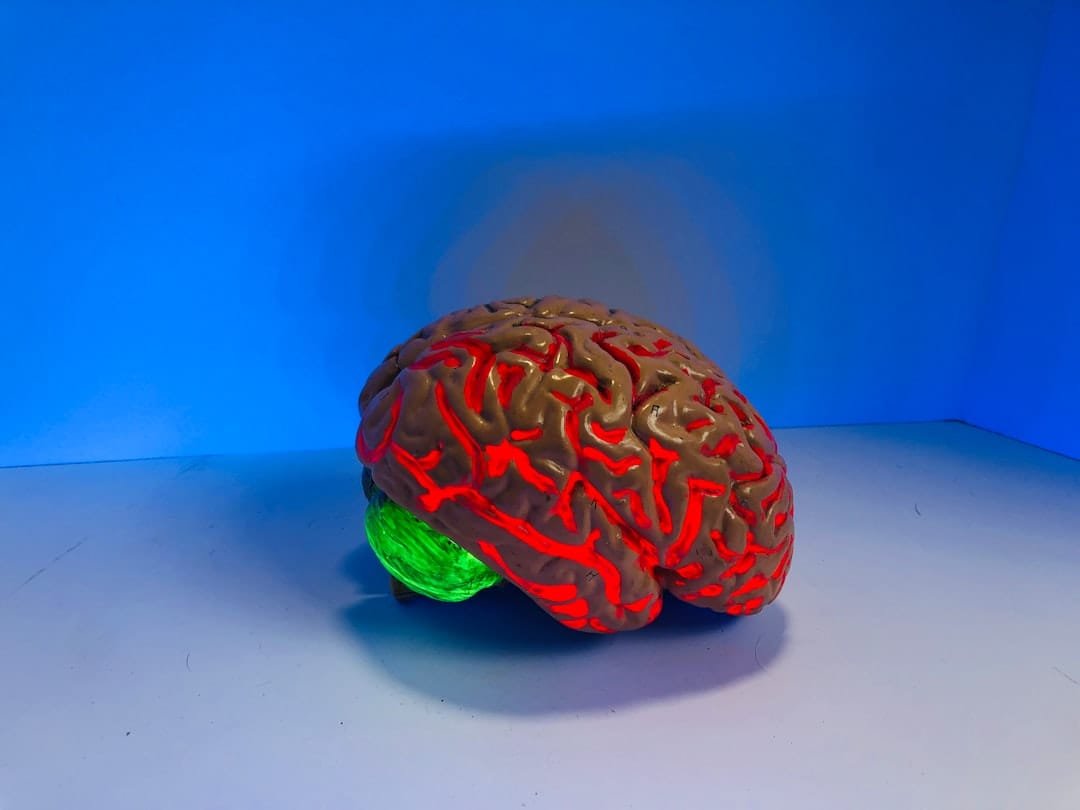
I am a person who has experienced what brain fog is. It's not just being a bit distracted or forgetting where you left your keys - it's a feeling of constant mental fatigue, clouded thinking and difficulty concentrating that can affect every area of my life. It's as if my brain is covered with a thick, gray blanket, suffocating the clarity and speed of my thoughts. In this article, I will share my experience and understanding of brain fog, as well as strategies I have personally used to overcome it. My goal is to offer information based on scientific research and personal observations in an effort to help others who are dealing with this condition.
Brain fog, also known as cognitive dysfunction, is not a medical condition in itself, but rather a symptom of another underlying disease or lifestyle factor. It can range from mild to severe, affecting my ability to perform daily tasks, communicate effectively, and enjoy activities I once enjoyed. For me, it was a challenge, but also a catalyst for a deeper understanding of my own body and mind.
Understanding Brain Fog: Origins and Symptoms
When I first started experiencing the signs of brain fog, I was confused. I felt constantly exhausted, but not in the way that you just need sleep. There was an inner feeling of vagueness, like my mind was running at half speed. We need to understand that brain fog is not just fiction or exaggeration – it is a real experience with potential physiological underpinnings.
What is brain fog?
Brain fog is a collection of symptoms that affect my cognitive function. These may include:
- Memory problems: I often find myself fumbling for words, forgetting appointments, or losing touch with what I just said or heard.
- Lack of concentration: I have a hard time focusing on tasks, as if my mind is constantly wandering.
- Decreased mental clarity: I feel "fuzzy" or "foggy" in my thinking, which makes it difficult to make decisions.
- Slow information processing: I need more time to understand or make sense of information, even simple information.
- Fatigue: I often feel mentally exhausted, even after adequate sleep.
For me, these symptoms manifested as a progressive decrease in my productivity at work, difficulties in my personal relationships as I often couldn't follow the conversation, and a general feeling of dissatisfaction with myself.
Possible causes of brain fog
Understanding the causes is the first step to overcoming it. I have found that brain fog can be caused by a wide range of factors, both medical and lifestyle.
- Chronic medical conditions: Many conditions, such as fibromyalgia, chronic fatigue syndrome, lupus, multiple sclerosis, and even some infections such as the flu or COVID-19, can lead to brain fog. For me, after recovering from COVID-19, I noticed increased and prolonged brain fog.
- Autoimmune diseases: Inflammation associated with autoimmune diseases can affect brain function.
- Hormonal imbalance: Changes in hormone levels, especially during pregnancy, menopause, or thyroid disease, can contribute to this symptom. I have noticed that when my stress levels are high and my hormones are out of balance, the brain fog increases.
- Vitamin deficiency: The lack of vitamin B12, vitamin D and omega-3 fatty acids may affect cognitive function.
- Lifestyle factors:
- Insufficient sleep: Lack of quality sleep is one of the most common culprits of brain fog. I've found that when I don't get enough sleep, my mind is like a computer that hasn't been restarted in days.
- Stress: Chronic stress can change the chemical balance in my brain and lead to fatigue and reduced concentration. It's like running in high gear all the time while the engine overheats.
- Diet: Anti-inflammatory foods and food allergies can contribute to brain fog. For example, I've noticed that processed foods and those high in sugar add to the fogginess.
- Unhealthy diet: A diet high in processed foods, high in sugar and low in nutrients can have a negative impact on brain function.
- Lack of physical activity: Regular exercise is essential for good circulation and brain health.
- Medicines: Some medications have cognitive difficulties as a side effect. It is always a good idea to check the leaflets or consult a doctor.
From my point of view, identifying the specific cause of the brain fog is key. It's often a combination of several factors, making the recovery process a bit more complicated, but not impossible.
Diagnosis and Consultation with a Medical Specialist
When the brain fog began to seriously affect my daily life, I knew it was time to seek professional help. Although many of us try to downplay or ignore the symptoms, consulting a doctor is essential to rule out serious medical conditions. For me, it was a step towards a better understanding of what was going on in my body.
When should I seek medical attention?
I personally sought medical attention when the brain fog became persistent and interfered with my work and social life. If the symptoms are:
- Continuous: They don't go away after a few days.
- Deteriorating: They become more intense or more frequent.
- Interferes with daily activities: For example, they make it difficult for you to perform work duties or maintain relationships.
- Accompanied by other alarming symptoms: Such as severe fatigue, unexplained weight loss, fever, or other new neurological symptoms.
My doctor asked me about my medical history, lifestyle and a detailed description of my symptoms. Be willing to share any information, even if it seems insignificant.
Medical examinations and tests
A doctor may order various tests to determine the possible cause of brain fog. I went through a few of them:
- Blood tests:
- Complete blood count (CBC): To check for anemia or infections.
- Vitamin Levels: Especially vitamin B12 and vitamin D, which are essential for brain function.
- Hormonal levels: To check thyroid function, testosterone (in men) or estrogen (in women) levels.
- Inflammatory markers: Like C-reactive protein (CRP) to look for systemic inflammation.
- Imaging studies: In some cases, an MRI or CT scan of the brain may be needed to rule out structural problems. This was not necessary for me, but it is an important step when in doubt.
- Cognitive tests: They may be conducted by a neuropsychologist to objectively assess my cognitive function and identify areas of difficulty.
Effective communication with the medical team is critical. I have learned that taking an active role in my health journey, asking questions and voicing concerns, helps doctors provide me with the best possible care.
Lifestyle Changes to Overcome Brain Fog
After ruling out serious medical causes and consulting with specialists, the main focus became changing my lifestyle. I realized that my body and mind are deeply connected and that small changes can lead to big results in combating brain fog. For me, it was like looking for the right key for a complicated lock.
Optimizing sleep
For me, sleep is a fundamental pillar of health. When I don't get quality sleep, my mind is like an overloaded computer that can't process information efficiently.
- Create a bedtime ritual: I built a routine - I avoid screens an hour before bed, read a book, take a warm bath. It signals to my body that it's time to rest.
- Maintaining a consistent sleep schedule: I try to go to bed and get up at the same time every day, even on weekends.
- Optimizing the sleeping environment: My bedroom is dark, quiet and cool. I invested in a good mattress and pillow.
- Avoiding caffeine and alcohol before bed: These substances can disrupt my sleep cycle.
Diet and hydration
Diet plays a critical role in my cognitive health. I realized that what I eat directly affects how I think.
- A balanced diet: I aim for a diet rich in fruits, vegetables, whole grains, lean proteins and healthy fats. This includes plenty of water because dehydration can make brain fog worse.
- Anti-inflammatory foods: Inclusion of omega-3 fatty acids (oily fish, flaxseed), antioxidants (berries, dark chocolate) and turmeric.
- Avoiding processed foods and sugar: These foods can cause inflammation and affect blood sugar levels, leading to mental fatigue.
- Adequate hydration: I drink a lot of water throughout the day. Dehydration, even mild, can cause headaches and brain fog.
Regular physical activity
Physical activity is like a refreshing shower for my brain. I've found that even short walks can improve circulation and reduce the foggy feeling.
- Moderate exercise: I do 30 minutes of moderate aerobic activity most days of the week. This can be brisk walking, swimming, cycling.
- Strength training: They help build muscle mass and improve overall health.
Stress management
Stress is one of my biggest enemies in fighting brain fog. When I'm stressed, my mind is like an overflowing swimming pool—it's constantly overflowing and can't be cleared.
- Relaxation techniques: I practice deep breathing, meditation and yoga. They help calm my nervous system.
- Limiting stressors: I try to identify and reduce the sources of stress in my life as much as possible.
- Sufficient time for rest and entertainment: I make sure I have time for hobbies and activities that bring me joy.
Cognitive exercises and mental stimulation
Just as my body needs exercise, my brain needs mental stimulation to stay sharp.
- New skills: I try to learn new languages, play a musical instrument or solve puzzles.
- Reading: Reading books stimulates the imagination and cognitive functions.
- Social Engagement: Maintaining social contacts and engaging in conversations stimulates brain activity.
I have found that consistency is key. It's not about following all these guidelines perfectly all the time, it's about systematically implementing healthy habits that gradually clear the fog.
Psychological Approaches and Management of Brain Fog
Brain fog is not just a physical condition; it has a profound psychological impact. I felt frustrated, anxious and even depressed when I couldn't think clearly. Understanding and applying psychological approaches helped me manage these emotional challenges and regain a sense of control.
Accepting and dealing with frustration
One of the hardest things for me was accepting that my mind was not functioning at an optimal level. I was used to being fast and efficient, and I was suddenly faced with these limitations.
- Changing expectations: I have learned to be more patient with myself. Instead of settling for my previous level of performance, I set more realistic goals.
- Self-compassion: Instead of criticizing myself for my shortcomings, I tried to treat myself with understanding and compassion. It's like giving an overworked friend a break - I've learned to be that kind of friend to myself.
- Diary: Journaling helped me express my emotions and identify patterns associated with brain fog.
Techniques to increase concentration
One of the biggest problems with brain fog is difficulty concentrating. I tried different strategies to improve my focus.
- Pomodoro Technique: Breaking up work into 25-minute intervals followed by short breaks helped me maintain my focus for longer periods.
- Eliminate distractions: When I work, I turn off notifications on my phone, close unnecessary tabs in the browser, and find a quiet place.
- To Do Lists: I make to-do lists and prioritize them. Crossing off completed tasks gives me a sense of accomplishment and reduces the feeling of overwhelm.
- Mindfulness exercises: Practicing mindfulness helps me train my mind to stay in the present moment and reduce mind wandering.
Support seeking and social engagement
Social isolation can worsen brain fog and lead to depression. I realized that communicating with others is important to my mental health.
- Conversation with loved ones: Sharing my experiences with friends and family helped me feel understood and supported.
- Support groups: Participating in support groups (online or live) with people who are also experiencing brain fog gave me a sense of belonging and helped me share coping strategies.
- Professional help: If brain fog is causing significant anxiety or depression, consulting a psychologist or therapist can provide additional coping strategies and emotional support. I personally benefited from therapy to help me deal with emotional stress.
Dealing with brain fog is a marathon, not a sprint. There are good days and bad days. The most important thing is to be persistent in my efforts and not to give up.
Supplements and Alternative Approaches (with caution)
In search of relief from brain fog, I also researched various supplements and alternative approaches. However, it is important to emphasize that I always consult a medical professional first before starting any new treatment or supplement, especially if I am already taking other medications. Self-control and objective assessment are key here.
Supplements being researched
There are several supplements that have come to my attention for supporting brain function, based on scientific research and personal experience (always under medical supervision).
- Omega-3 fatty acids: I take a fish oil supplement rich in EPA and DHA. These fatty acids are vital for brain health and can reduce inflammation.
- Vitamin B12: If my blood tests show vitamin B12 deficiency, I have taken a supplement. It is essential for nerve function and red blood cell production.
- Vitamin D: Many people are deficient in vitamin D, which plays a role in brain function and mood. I have been taking a supplement to maintain optimal levels.
- Magnesium: Magnesium is involved in over 300 biochemical reactions in the body, including those affecting the nervous system and sleep. I have found that magnesium helps me relax and sleep better.
- Creatine: It's a supplement often associated with physical activity, but I've learned that it can also have benefits for brain function, especially memory and information processing.
- Adaptogens: Plants like ashwagandha and ginseng, known as adaptogens, are used to help the body adapt to stress. I’ve tried ashwagandha to reduce stress levels, which indirectly helps with brain fog.
- Medicinal mushrooms: Lion's Mane (Hericium erinaceus) is a mushroom that has been studied for its potential neuroprotective properties and ability to support cognitive function. I have included it in my regimen.
It is important to avoid self-treatment and understand that supplements are not a panacea. They can be a tool, but they do not replace a healthy lifestyle and medical consultation.
Alternative therapies
Some alternative therapies have helped me manage brain fog symptoms, especially those related to stress and inflammation.
- Acupuncture: I have tried acupuncture to reduce stress and improve energy flow. Some people report improved cognitive function, although scientific evidence is still limited.
- Biofeedback: This technique helps me learn how to control involuntary bodily functions, such as heart rate and muscle tension. I find it useful for managing stress and improving concentration.
- Aromatherapy: Using essential oils like rosemary, lemon, or peppermint can have a stimulating effect on me. I have used them to improve mood and concentration, but this is more of a complement than a primary treatment.
I have always been skeptical but open to alternative approaches. My approach is to try, observe the effects, and consult professionals. What works for one person may not work for another.
Long-Term Perspective and Prevention
Brain fog is not a one-time battle but rather a long-term journey toward better health and well-being. I have realized that prevention and maintaining a healthy lifestyle are key to avoiding future episodes and maintaining my cognitive clarity. It's like tending a garden—it constantly needs care to flourish.
Maintaining a healthy lifestyle
For me, adhering to the principles of healthy living is my shield against brain fog.
- Continuous attention to sleep: I continue to prioritize sleep and maintain my good sleep habits. I understand that even a single sleepless night can bring back symptoms.
- Consistency in diet: My diet remains nutrient-rich and low in processed foods. I regularly review and adjust my diet based on how I feel.
- Regular physical activity: Exercise is an integral part of my daily routine, not just for my physical but also for my mental health.
- Proactive stress management: I continue to use relaxation techniques and look for ways to reduce stress. It's like having a barometer for your emotional states and responding proactively.
Monitoring and self-observation:
I keep a symptom journal to track how I feel and what might affect my brain fog.
- Recording symptoms: When does brain fog occur? What were the possible causes (insufficient sleep, stress, certain foods)?
- Monitoring triggers: Identifying specific triggers helps me avoid them or prepare for them. For example, I know that long periods in front of a screen can worsen my condition, so I take regular breaks.
- Evaluating the effectiveness of strategies: Which coping strategies work best for me? Which ones should I adjust?
This self-monitoring is like a GPS for my health, helping me stay on the right track.
Adaptation and flexibility
Life is unpredictable, and so is my response to brain fog. I have learned to be flexible and adapt.
- Allowing myself bad days: There are days when brain fog returns despite all my efforts. I have learned not to criticize myself for these days but to allow them to pass.
- Building a support network: Maintaining strong connections with friends, family, and medical professionals is essential. They can offer me support and encouragement when I need it.
- Continuous learning: I continue to read research and articles on the topic to stay informed about new approaches and discoveries.
Brain fog is a challenge, but it is not a sentence. With hard work, understanding, and a systematic approach, I believe significant improvement is possible. My journey is proof that recovery and improvement of cognitive function are achievable, and I hope my experience will inspire others to take control of their health.
FAQs

What is brain fog?
Brain fog is a condition characterized by mental cloudiness, difficulty concentrating, forgetfulness, and a general sense of mental fatigue.
What are the main causes of brain fog?
Causes may include stress, lack of sleep, poor nutrition, dehydration, hormonal changes, as well as certain medical conditions like chronic fatigue or depression.
What are effective ways to overcome brain fog?
Helpful methods include improving sleep quality, balanced nutrition, regular physical activity, stress management, and hydration. In some cases, consulting a doctor may be necessary.
Can nutrition affect brain fog?
Yes, nutrition plays an important role. Foods rich in omega-3 fatty acids, antioxidants, and B vitamins support brain function and can reduce symptoms of brain fog.
When should I seek medical help for brain fog?
If the symptoms are persistent, worsen, or are accompanied by other concerning signs such as severe headaches, memory loss, or behavioral changes, it is important to consult a doctor.