Recovery after a stroke is a long and complex process that requires commitment, patience and a multidisciplinary approach. We know that when you're faced with a stroke diagnosis, the world can feel like it's falling apart. At this point, it is important to realize that a stroke is not a sentence, but a challenge that can be overcome with adequate rehabilitation. Our goal is to provide you with comprehensive information about stroke rehabilitation, looking at the various aspects of this process and guiding you towards effective recovery strategies. We believe that knowledge is power and that an informed patient is better prepared to face challenges.
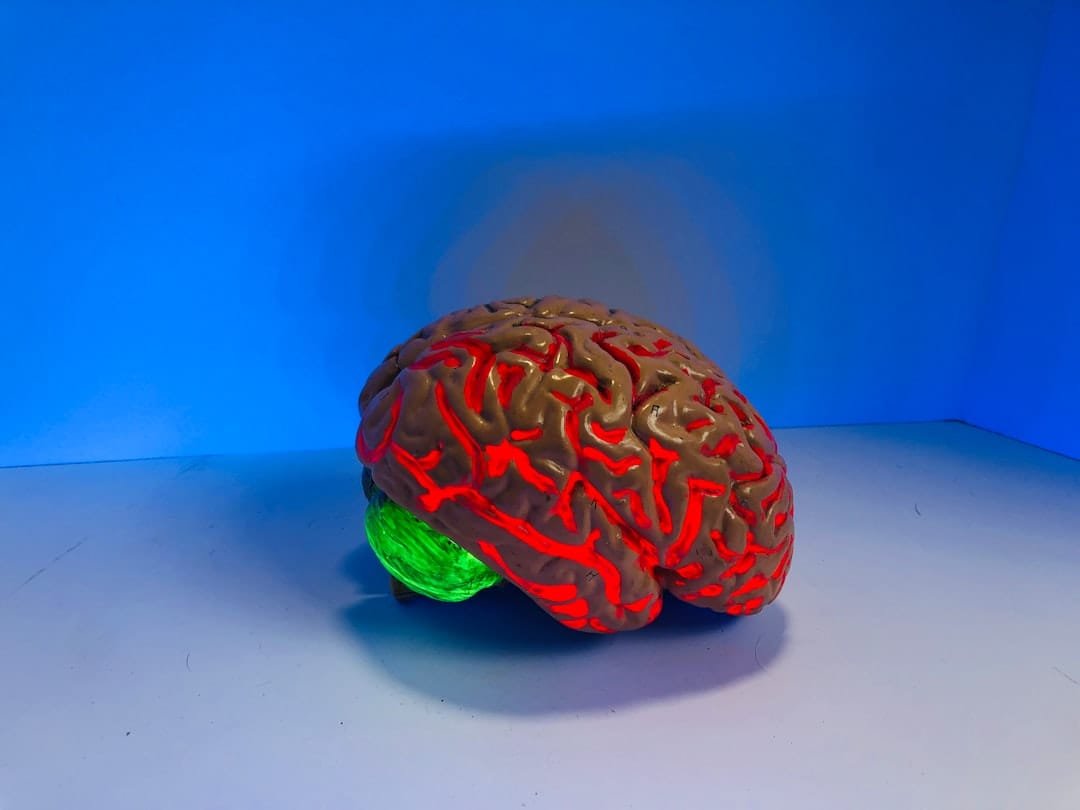
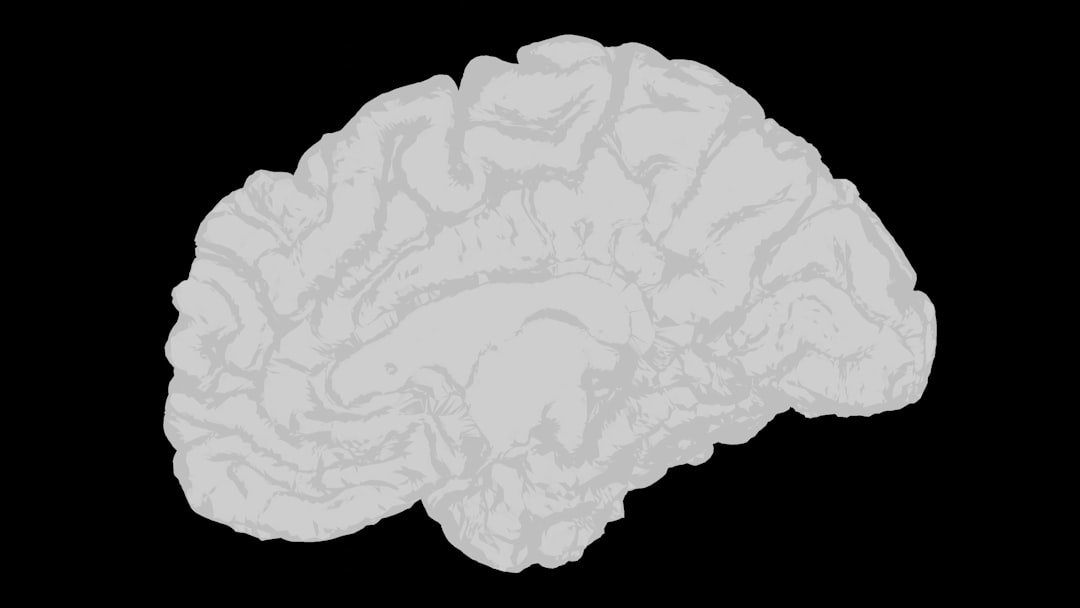
A stroke, also known as a stroke, occurs when the blood supply to part of the brain is interrupted, causing brain cells to die. This can cause a range of physical, cognitive and emotional impairments that vary depending on the area of the brain affected and the severity of the stroke. Despite the initial shock and helplessness, it is extremely important to understand that the brain has an amazing ability for adaptation and recovery known as neuroplasticity. It is this ability that is the foundation of any effective rehabilitation program.
What is stroke rehabilitation?
Rehabilitation after a stroke is a comprehensive process that begins as soon as possible after the patient's condition has stabilized and often continues for months or even years. It aims to minimize disabilities, restore lost functions and help the patient adapt to his new reality, achieving maximum independence and quality of life. We see rehabilitation as a bridge that connects the past to the future by helping to build new pathways in the brain.
The importance of early intervention
The early initiation of rehabilitation is critical to recovery success. Research shows that the earlier rehabilitation begins, the greater the chances of significant improvement. In the first few days and weeks after a stroke, the brain is most susceptible to changes. We encourage you not to waste time and seek professional help as soon as possible.
Basic Principles of Rehabilitation
Effective stroke rehabilitation is based on several key principles that we apply and promote. These principles form the framework within which our multidisciplinary team works and are essential to achieving optimal results.
Individual approach
Every stroke is unique, as is every patient. We know that there is no one-size-fits-all approach that works for everyone. That is why we prepare an individual rehabilitation plan, tailored to the specific needs, goals and capabilities of each person. This plan is like a personal itinerary that adjusts according to progress and changing conditions.
Multidisciplinary team
Recovery after a stroke requires the collaboration of specialists from different fields. We believe in the power of teamwork. Your rehabilitation team may include:
Physiotherapist (kinesitherapist)
It deals with the restoration of motor functions, strength, coordination and balance. A physical therapist is like a conductor who guides the body's movements into harmony.
Occupational therapist
It helps in resuming daily activities such as dressing, eating, bathing and more. The occupational therapist is the architect who rebuilds the paths to independence.
Speech therapist
It works to improve speech, language and swallowing. The speech therapist is the translator who helps the voice find its way again.
Neurologist
Monitors brain function and regulates drug treatment. The neurologist is the captain of the ship who monitors the overall condition of the brain.
Psychologist/Psychotherapist
Provides support for coping with the emotional effects of stroke such as depression, anxiety and mood swings. The psychologist is the compass that helps you navigate the complex maze of emotions.
Nurse
Provides care, medication, and supports patient and family education. The nurse is the guardian of comfort and well-being.
Intensity and duration
Rehabilitation must be intensive and long enough to achieve significant results. We know that consistency is the key. The brain needs constant stimulation and repetition to build new neural connections.
Patient and family involvement
Active patient engagement and family support are indispensable for successful recovery. We think of family as an anchor in a stormy sea that provides stability and comfort.
Types of Therapies and Approaches
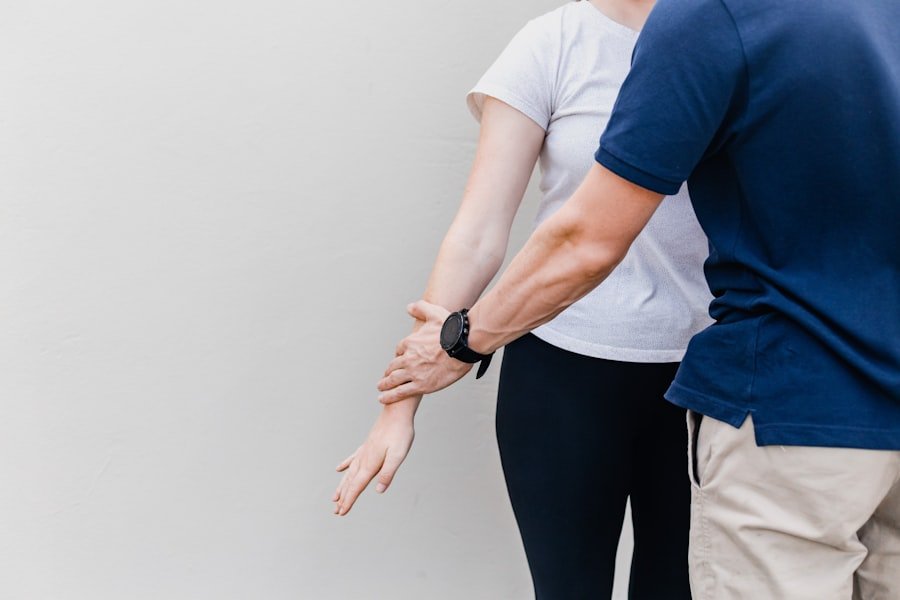
Stroke rehabilitation includes a wide range of therapies and approaches that are used in combination to address the various impairments. We present to you the main ones.
Physical Therapy (Kinesitherapy)
The goal of physical therapy is to restore strength, coordination, balance, and general mobility. We use various techniques and exercises to achieve this:
Strength and endurance exercises
Aimed at restoring muscle strength in the affected limbs, which is the basis for more complex movements. We use both body weight and resistance bands or light weights.
Coordination and balance exercises
Important for those who have difficulty walking, turning or maintaining a stable position. We apply exercises in front of a mirror, balancing platforms and working with different objects.
Range of motion exercises
To prevent joint stiffness and maintain flexibility, especially in spasticity. Passive and active movements are alternated for maximum efficiency.
Constraint-Induced Movement Therapy (CIMT)
This therapy involves limiting use of the unaffected limb to encourage active use of the affected limb. CIMT is like a focused beam of light that directs attention to the weaker side.
Functional exercises
These exercises mimic daily activities such as walking, sitting, standing. We believe that practicing real movements in a controlled environment is essential.
Occupational Therapy
Occupational therapy focuses on restoring the ability to perform meaningful daily activities that are important to the patient. We help people rediscover their independence.
Activities of Daily Living (ADLs) training
Includes help with dressing, feeding, bathing, maintaining personal hygiene. An occupational therapist is like a mentor who guides you step by step.
Adaptive strategies and aids
Training in the use of adapted eating utensils, dressing aids, toilet lifts and more. We help find keys that unlock new possibilities.
Cognitive rehabilitation
It deals with problems with memory, attention, planning and problem solving. An occupational therapist can use special games and exercises to stimulate brain function.
Assessment and modification of the home environment
Recommendations for home remodeling to make it safer and more accessible. This includes removing obstructions, installing railings, and more.
Speech and Language Therapy
Speech therapy is essential for patients with aphasia (difficulty speaking and understanding) and dysphagia (difficulty swallowing). We believe that the ability to communicate is the heart of human connection.
Speech and language exercises
They include repeating words and sentences, reading, writing and using alternative communication methods. A speech therapist is like a teacher who helps to rediscover words.
Swallowing therapy
Tips for changing food consistency, positioning while eating, and exercises to strengthen the muscles involved in swallowing. A speech therapist is like a culinary expert who helps find the right texture.
Compensatory strategies
Teaching the patient and family to recognize and overcome communication barriers. We help build a bridge between thoughts and words.
Coping with Cognitive and Emotional Changes
A stroke affects not only the body but also the mind. We understand that emotional and cognitive changes can be no less challenging than physical ones.
Cognitive disorders
Many people after a stroke experience problems with memory, concentration, attention, planning and problem solving. We view these violations as a cloudy window that can be cleared with appropriate strategies.
Memory strategies
Using lists, calendars, reminders, visual associations.
Attention and concentration exercises
Focusing on tasks, meditation, brain training games.
Problem solving training
Breaking down complex tasks into smaller steps, using a journal for planning.
Emotional changes
Depression and anxiety are common after a stroke. We know that this is a normal reaction to a traumatic event.
Support from a psychologist or psychiatrist
Therapy, counseling and, if necessary, medication. A psychologist is like a beacon that lights the way in the darkness.
Support groups
Communicating with other stroke survivors can be extremely helpful. Sharing experience is like sharing the burden.
Family therapy
It helps families understand and support the patient in coping with change. Family therapy is like building a common shield against challenges.
Continuing Care and Support
| Metric | Description | Average value | Unit |
|---|---|---|---|
| Time to start rehab | Average time from stroke to initiation of rehabilitation therapy | 48 | hours |
| Duration of rehabilitation | Average duration of the rehabilitation process | 12 | weeks |
| Percentage of recovery of motor functions | Mean percentage of motor skills recovered after rehabilitation | 65 | % |
| Percentage of improvement in speech | Average percentage of improvement in speech disorders | 55 | % |
| Percentage of patients returning to independent living | Percentage of patients who can live independently after rehabilitation | 70 | % |
| Average length of hospital stay | Average number of days of hospital stay after stroke | 14 | days |
| Frequency of rehabilitation sessions | Average number of sessions per week | 5 | sessions/week |
Rehabilitation does not end with discharge from the hospital or rehabilitation center. We believe recovery is a marathon, not a sprint.
Home rehabilitation
Many exercises can and should be practiced at home to maintain progress. We provide guidance and homework materials.
Regular reviews and evaluation
Monitoring the condition and adjusting the rehabilitation plan if necessary. We are with you every step of the way.
Social adaptation and reintegration
Help and advice on returning to work, hobbies and social activities. We help you become an active participant in life again.
Prevention of recurrent stroke
Education about risk factors and the importance of a healthy lifestyle to prevent future incidents. This includes controlling blood pressure, diabetes, cholesterol and quitting smoking. Prevention is like a protective shield.
In conclusion, stroke rehabilitation is a challenging but extremely rewarding process. We are here to support you on this journey by providing you with the tools and knowledge you need to achieve maximum recovery. Remember that every small step forward is a victory and that hope and persistence are your strongest allies.
FAQs
What is stroke rehabilitation?
Rehabilitation after a stroke is a complex of medical, physical and psychological therapies aimed at restoring lost functions and improving the patient's quality of life after a stroke.
When should stroke rehabilitation begin?
Rehabilitation usually starts as early as possible, often already in the hospital period, immediately after the patient's condition has stabilized, in order to achieve better results.
What methods are used in stroke rehabilitation?
Various methods are used, including physical therapy, occupational therapy, speech therapy, psychological support and drug treatment, which are tailored to the individual needs of the patient.
How long does stroke rehabilitation take?
The duration of rehabilitation varies depending on the severity of the stroke and individual progress, and can last from several months to several years.
What are the goals of stroke rehabilitation?
The main goals are to restore motor and cognitive functions, improve independence, prevent complications and support the patient's social integration.