Doctors warn: Shoveling snow - when does it become dangerous for you?
As winter approaches, the first snowflakes often evoke a mixture of joy and worry in you. Joy from the beauty of the snowy landscape and the anticipation of holidays, but also worry about winter adversity - slippery streets, frozen air and, of course, the obligation to clean the snow in front of your home. Shoveling snow is a task that many of you accept as part of your winter ritual, but you rarely think about the potential dangers it poses. This article will guide you through the medical aspects of this winter labor, revealing when simple snow removal can become a risky activity for your health, especially as you age.
Cold weather activates a number of physiological processes in your body. When you go outside to deal with the accumulated snow, your body immediately reacts to the temperature changes. Understanding these reactions is the first step in assessing the risk you are taking.
Vascular stiffness: How does the cold affect the circulatory system?
When the cold envelops you, your body instinctively strives to keep warm. One of the fastest ways it does this is by constricting blood vessels, especially those closest to the surface of the skin. This process, known as vasoconstriction, is like "turning off the faucet" to keep precious heat from escaping.
Increased heart rate and blood pressure: Working of the heart under stress
Constriction of blood vessels increases the resistance that blood must overcome to circulate. To compensate, your heart starts beating faster. This is where the first warning signal lies. Increased heart rate and blood pressure stress the heart muscle. If you have hidden heart problems or are prone to them, this sudden strain can be like a sudden storm hitting a quiet bay – potentially devastating.
Existing risk factors: When is your heart already under pressure?
If you already know you have high blood pressure, heart diseases, previous heart attack or other vascular problems, any additional exercise, especially in cold conditions, should be treated with special care. Your heart may already be working at its limit, and shoveling snow will push it beyond that limit.
Respiratory System: The air that warms and irritates you
Cold air alone can be provocative to your respiratory system. It is drier and can dry out the mucous membranes in the nose and throat, making them more susceptible to infection. In some people, especially those with asthma or other respiratory conditions, breathing in cold air can cause bronchospasm—a constriction of the airways that causes shortness of breath and coughing.
Asthma and COPD: Breathing becomes a challenge
If you suffer from asthma or chronic obstructive pulmonary disease (COPD), shoveling snow can be a real ordeal. Sudden exposure to cold air, combined with physical exertion, which leads to deeper and faster breathing, can provoke severe attacks. Your condition can deteriorate rapidly, presenting you with a medical emergency.
Musculoskeletal Challenges: Beyond Simple Fatigue
Snow removal is not only a hearty task, but also a serious strain on your muscles and joints. Every uneven step, every reach with the shovel, every movement is a potential risk to your musculoskeletal system.
Back Strain: Why Does Your Back Suffer?
Your spine is the column that supports your entire body. When shoveling snow, especially when you're lifting heavy loads, you're twisting, bending, and bending your torso—movements that put tremendous stress on the intervertebral discs and back muscles. This pressure increases even more if you hold the shovel away from your body or if the snow is heavy and wet.
Quick Bend and Turn: The Pain Formula
The classic snow removal mistake is to bend at the waist to lift the snow, then twist to throw it. It's like twisting and bending the most vulnerable part of your spine. If you have previous back problems, a herniated disc, or even minor aches and pains, this movement can cause sharp pain, muscle spasms, or even serious injury.
Existing disabilities: When is your back already "on the edge"?
If you already suffer from chronic back pain, have had spinal trauma or surgery, snow shoveling is an activity you should avoid, or at least perform with extreme caution. Your vertebrae, discs and muscles are already in a state of increased vulnerability.
Joint loading: A worn mechanism under additional stress
Your joints, such as knees, shoulders and elbows, work like complex machines, allowing you to move smoothly. With aging, the wear and tear of the cartilage in the joints is a natural process. Add to that the constant strain of lifting and shoveling snow – and the risk of pain and injury increases exponentially.
Wet and heavy loads: The invisible enemy
Wet snow is significantly heavier than dry snow. When you try to lift a shovel full of wet snow, you put significantly more stress on your joints, especially your shoulders and elbows. This can lead to aggravation of arthritic pain, sprains or even rupture of tendons.
Arthritic pains: When the cartilage is already thinned
If you suffer from arthritis, especially in the knees, hips or shoulders, the cold alone can make the pain worse. Combine that with the physical exertion that snow removal requires, and you'll find that every movement becomes excruciating. Overtraining already inflamed joints can lead to long-term damage.
Age-related risks: When our body is no longer what it used to be
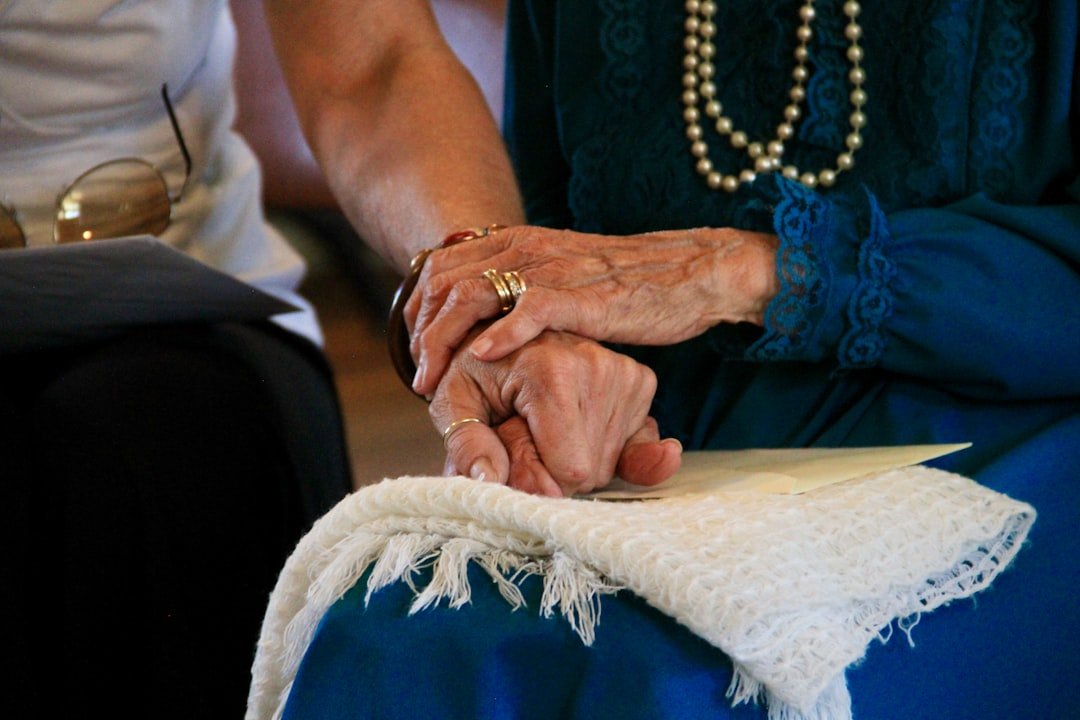
As you age, your body undergoes changes that make it more susceptible to injury and stress. These changes are not a sign of weakness, but rather of experience and adaptation. However, when performing physically demanding activities such as shoveling snow, these changes require more attention.
Loss of muscle mass and strength: When the "arms" are no longer the same
As we age, especially after the age of 40-50, a natural process of loss of muscle mass and strength begins, known as sarcopenia. This means that your muscles are not as strong as they used to be and tire more easily.
Less exercise tolerance: Depletion of reserves
With reduced muscle strength, your body depletes its energy reserves more quickly. Snow clearing, which used to be a tedious but doable chore, can now become a grueling battle. Even light exercise can lead to noticeable fatigue, stiffness and pain that lasts longer.
Prevention and adaptation: How to stay active
The key is gradual adaptation. If you haven't been exercising regularly, you can't expect your body to handle a sudden, intense load. Maintaining an active lifestyle year-round, with an emphasis on strength and flexibility exercises, can significantly slow or even reverse the process of sarcopenia, making you better prepared for the challenges of winter.
Reduced flexibility and coordination: Greater risk of falls
As you age, your tendons and muscles become less elastic, resulting in reduced flexibility. In addition, coordination and balance may also be affected. These factors combined with slippery surfaces make every step a potential fall risk.
Slippery paths and uneven terrain: The number one enemy of balance
Snow removal often means working on uneven and potentially slippery surfaces. If your flexibility and balance are reduced, losing your balance becomes much more likely. Often the consequences of a fall can be much more serious than having to clear a little more snow.
Consequences of falls: Fractures and prolonged recovery
Falling on ice or snow can result in serious fractures, especially to the wrists, hips or spine. Recovery from such injuries, especially in older people, can be long and painful, often requiring extensive rehabilitation and even lifestyle changes.
Cardiovascular Risks: When the Winter Task Becomes the Enemy of the Heart
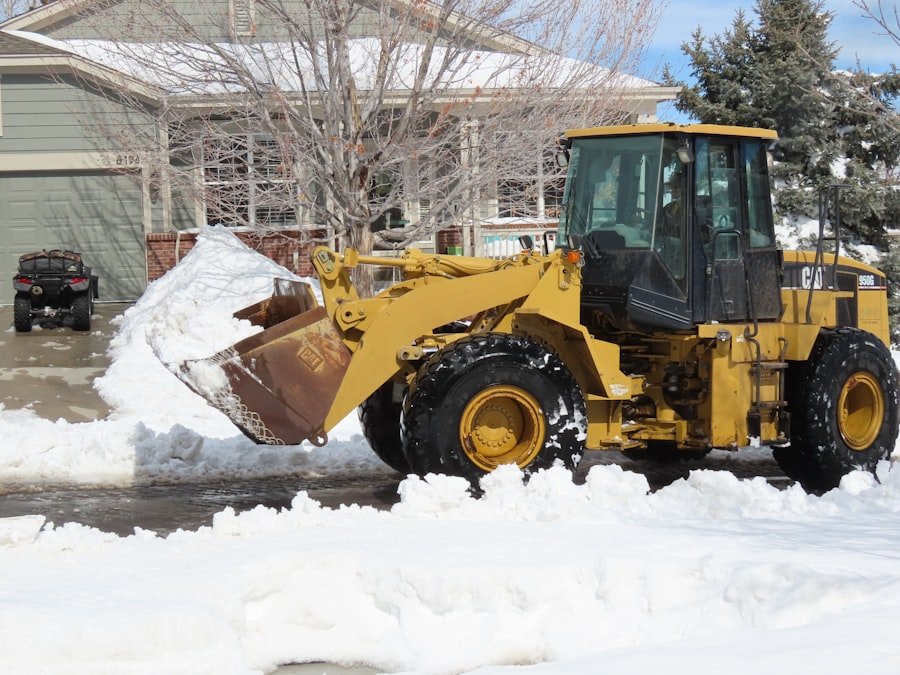
As mentioned earlier, shoveling snow puts a serious strain on the cardiovascular system. For people over a certain age, these risks can be existential. Doctors categorically warn - cleaning snow with a shovel over a certain age can be dangerous.
Heart attacks and strokes: The worst scenarios
The combination of cold weather, exercise and possible hidden heart problems can lead to the worst scenarios: a heart attack (infarction) or a stroke. These conditions are life-threatening and often leave lasting effects.
Sudden Exertion: Heart Attack Catalyst
Sudden and intense physical exertion, such as shoveling snow, can be enough to trigger a heart attack in people with existing atherosclerotic plaques in the arteries. Add in the stress of cold weather, which constricts blood vessels, and the risks increase even more.
Heart Attack Signs: Don't Ignore Them!
Severe pain or pressure in the chest, radiating to the left arm, jaw or back; shortness of breath; cold sweat; nausea; vertigo – these symptoms should not be underestimated. If you feel them, seek emergency medical attention immediately.
Sudden rise in blood pressure: Pathway to stroke
Snow removal can cause a sharp rise in blood pressure. In people with high blood pressure, or those with vascular problems, this sudden increase can disrupt the integrity of the blood vessels in the brain, causing a stroke.
Signs of a stroke: Time is working against you
Sudden numbness or weakness in the face, arm, or leg, especially on one side of the body; sudden confusion, difficulty speaking or understanding speech; sudden vision problems; sudden difficulty walking, dizziness, loss of balance or coordination; sudden severe headache for no known reason. In the presence of one or more of these symptoms, call emergency services immediately.
Hypothermia and Frostbite: The Dangers of Prolonged Cold Exposure
Snow removal usually means spending time outdoors in cold weather. If you are not adequately dressed or if you are exhausted, you risk developing hypothermia (overcooling of the body) or frostbite.
Underdressing: The Protection You Forget
Wrap up warm - this is the main rule for winter conditions. If you limit yourself to a thin jacket or go out in the snow in a simple sweater, your body loses heat very quickly. This can lead to shivering, stiffness and eventually a dangerously low body temperature.
Gradual exhaustion: When the body gives out
Over time, even with proper clothing, your body begins to lose heat. If you are outside for extended periods, especially if you move less, as may happen after cleaning larger areas, the risk of hypothermia increases.
Frostbite: When tissues freeze
Frostbite is a more serious condition in which body tissues freeze. The extremities are most often affected - fingers and toes, ears and nose. Frostbite can cause permanent damage to the affected tissues and even amputation in the most severe cases.
The danger of moisture: Ice pressure
Moisture increases the risk of frostbite. Wet clothing or wet hands in freezing air can cause fabrics to freeze significantly faster.
When should you stop? Red lines for your safety
| Age group | Risk of heart attack while shoveling snow (%) | Recommended rest time (minutes) | Recommendations |
|---|---|---|---|
| Under 40 years old | 1% | 10 | Moderate activity, appropriate physical training |
| 40-60 years | 5% | 15 | Health check before starting |
| Over 60 years | 15% | 20 | Avoidance of heavy physical activity, use of aids |
| Over 70 years | 25% | 30 | It is recommended not to shovel snow, seek help |
Recognizing the symptoms and knowing your own limitations are key to preventing injury. Doctors give clear indications of when snow shoveling becomes dangerous for you.
Warning Signs: The Signals You Shouldn't Ignore
Your body is always talking to you. The question is whether you are listening. There are numerous warning signs that indicate that you are overexerting yourself.
Pain and discomfort: When the body screams for rest
Sharp or dull chest pain, shortness of breath, pounding heart, severe headaches, unexplained fatigue, dizziness - these are not just "work symptoms". These are signals that something is wrong. Don't ignore them.
Shortness of breath: The insufficient amount of oxygen
If you start short of breath, especially if you feel pressure in your chest, this is a serious sign that your heart is not getting enough oxygen. Stop immediately and rest. If the condition does not improve, seek medical attention.
Excessive Fatigue: When reserves are running low
If you feel that your strength has completely left you, that every movement costs you more than usual, this is a sign that your body is exhausted. Continuing to push yourself in such a state is like driving a car with an empty tank - you risk damage.
Cognitive impairment: Loss of concentration and confusion
With extreme exhaustion or hypothermia, you may begin to have difficulty concentrating, become confused or disoriented. This is also a serious signal that you should immediately stop and seek help.
Existing health problems: When snow shoveling is a prohibited activity
If you already have one or more of the following diagnoses, snow removal is an activity that is highly recommended to be avoided:
Cardiovascular Disease: The Uncompromising Enemy
- High blood pressure (hypertension): Any physical exertion, especially in cold conditions, can raise blood pressure to dangerous levels.
- Coronary heart disease: This condition means that the heart's arteries are narrowed, reducing blood flow to the heart muscle. Shoveling snow can cause a heart attack.
- Previous heart attacks or strokes: If you have already experienced such events, your body is more vulnerable.
- Heart failure: Your heart is working at a reduced capacity. The stress of clearing snow can cause it to collapse.
Respiratory diseases: Breathing as a challenge
- Asthma: Breathing cold air and physical exertion can trigger severe attacks.
- Chronic Obstructive Pulmonary Disease (COPD): Your respiratory system is under constant stress. Clearing snow can make the condition worse.
Diabetes: Complications that require increased attention
- Neuropathy: Diabetic neuropathy can reduce the sensation of pain, making it harder to recognize injuries.
- Circulation disorders: People with diabetes often have problems with blood circulation, which slows wound healing and increases the risk of frostbite.
Other risks: Age, overweight, previous injuries
- Turning 65: At this age, the body is less durable and more susceptible to damage.
- Overweight: Extra pounds put more stress on the cardiovascular system and joints.
- Previous injuries: Especially on the back, joints or heart.
Alternatives and tips: How to handle snow safely
Snow removal is inevitable, but how you do it can be the difference between comfort and danger.
Help from relatives and neighbors: The social shield
Don't hesitate to ask for help from family, friends, or neighbors. Often, people are willing to help if they know you need it. This is more than just kindness – it's about safety.
Coordination and scheduling: Organized solutions
If you live in an apartment building or neighborhood where everyone faces a similar problem, consider organizing a cleaning schedule. One or two people can take on the task for the entire entrance or street, sharing the workload.
Professional services: An investment in your health
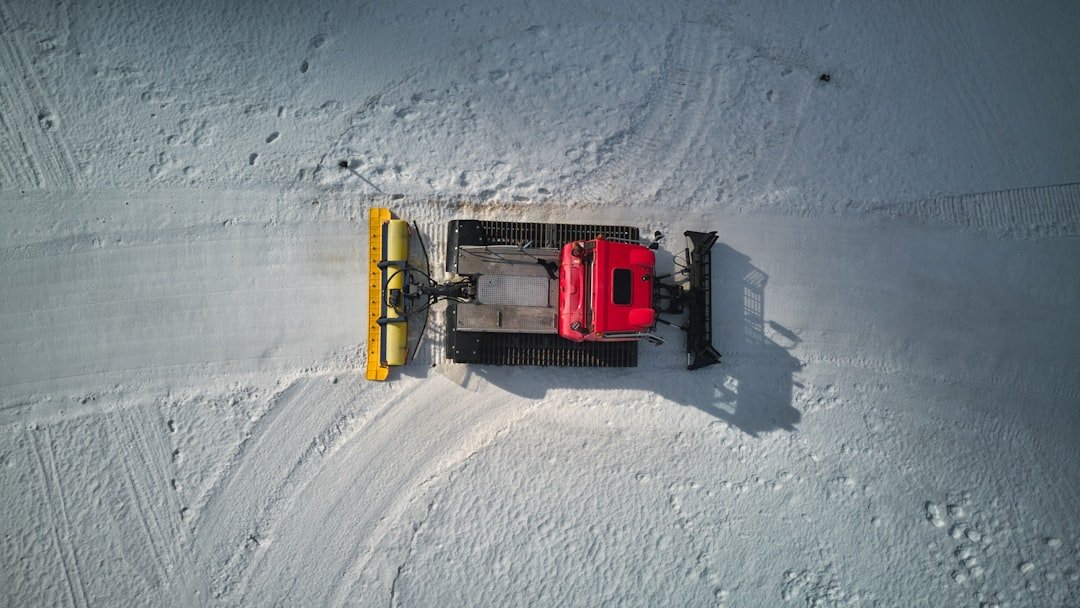
The market offers snow removal services. While it costs money, it is an investment in your health and safety. Think of it as prevention – you pay now to avoid future, much more expensive medical problems.
Cleaning companies: Reliable partners
There are many companies offering professional snow removal services. Do your research, compare prices and terms, and choose a reliable partner.
Small portions and breaks: A reasonable distribution of effort
If you still decide to clean on your own, don't try to do everything at once. Shovel in small portions, with frequent breaks. Let the snow accumulate a bit, then go out, clear a small section, and come back inside to warm up.
Action plan: Divide and conquer
Create a clear plan. Start with the more accessible areas before tackling the harder ones. If the snow is very deep, clear it in stages, leaving the lighter top layer for the first step.
Conclusion: Your life is your most valuable resource
Winter brings both beauty and challenges. Shoveling snow is one of those routine winter tasks that should be approached with extra caution. Doctors clearly warn: as you age, your body changes, and activities that were once easy can now pose serious risks. Listen to your body, recognize warning signs, and don't hesitate to seek help or consider alternative solutions. Your health and safety are your most valuable assets. Don't risk them over a single snow shovel.
FAQs
At what age do doctors recommend avoiding shoveling snow?
Doctors recommend that people over the age of 50-60 avoid shoveling snow, as it can increase the risk of heart and musculoskeletal problems.
Why can shoveling snow be dangerous for older adults?
Shoveling snow requires physical exertion, which can lead to elevated blood pressure, heart attacks, or muscle injuries, especially in individuals with pre-existing health conditions.
What are the doctors' recommendations for safe snow removal?
Doctors recommend using lighter tools, taking breaks, avoiding overexertion, and, if possible, using snow removal services.
Which health conditions increase the risks of shoveling snow?
Risks increase for individuals with high blood pressure, heart disease, spinal or joint problems, as well as general physical weakness.
What should older adults do if they need to shovel snow?
Older adults should consult a doctor before starting, use appropriate tools, work slowly and take breaks, or seek help from younger individuals or professional services.