When it comes to caring for the elderly, we recognize that ongoing support is essential to their well-being.
We know that as they age, the needs of these people change and require specialized care to provide not only physical assistance but also emotional support.
Continuum care provides the necessary environment in which older people can feel safe and cared for. In addition, we understand that continuing care not only improves the quality of life for seniors, but also eases the pressure on their families.
Continuum of Care offers a solution to this problem, allowing families to feel at ease knowing their loved ones are receiving professional help.
Summary
- It is important to provide continuity of care for the elderly to maintain their physical and mental well-being
- 24 hours elderly care are a reality that requires constant attention and care for these people
- The difference between 24 hour care and ordinary elderly care is in the permanence and continuity of care
- 24-hour care for the elderly includes providing food, medicine, hygiene, medical care and company
- The challenges of 24-hour care for the elderly include exhaustion, stress and the need for support and respite for carers
The reality of 24-hour care for the elderly
Needs of the elderly
This could include medical procedures, help with daily activities, or just company. It is also important to emphasize that 24-hour care is not only for people with serious illnesses. Many elderly people need help with everyday life, even if they do not suffer from serious health problems.
Overcoming social isolation
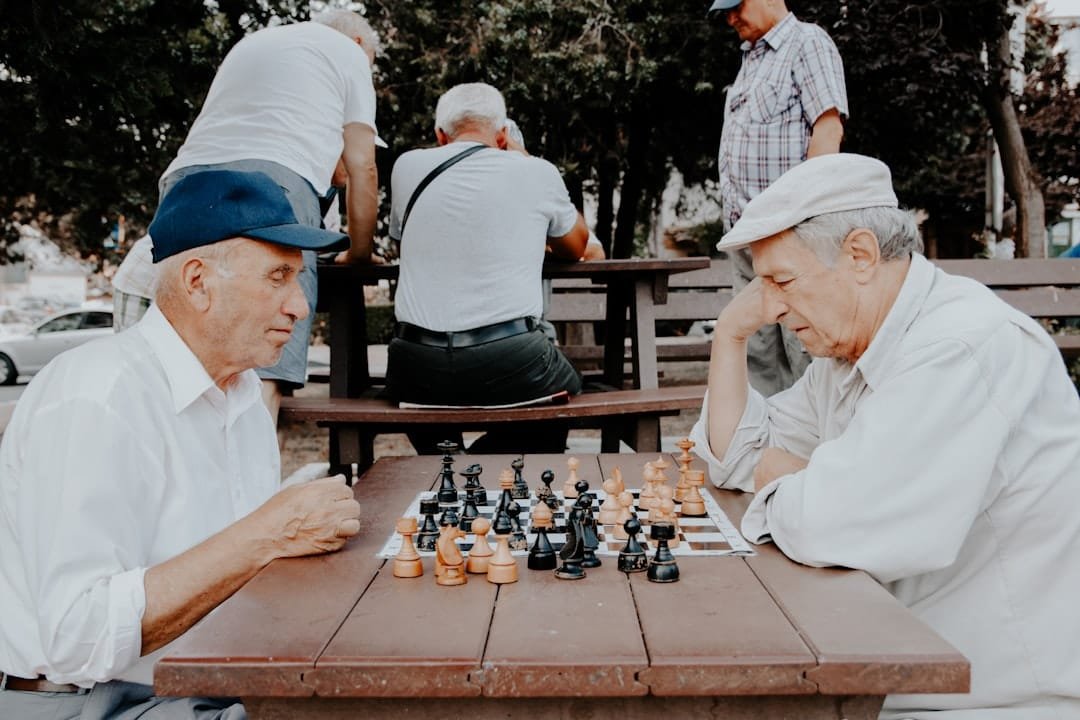
We understand that social isolation can be a serious problem for the elderly, and 24-hour care offers a solution that not only provides physical assistance, but also social interaction.
Benefits of 24-hour care
24-hour care offers a wide range of services that can be adapted to the individual needs of older people, providing them with safety, comfort and social interaction.
The difference between 24-hour care and ordinary aged care

When we look at the differences between 24-hour care and ordinary care for the elderly, we realize that the main difference is the intensity and scope of the help provided. Usual care usually involves periodic visits by medical professionals or aides who provide services at specific times. On the other hand, 24-hour care ensures constant availability of help and support.
This difference is especially important for older people with chronic illnesses or limited mobility. We know that they often need immediate help at different times of the day and night. 24-hour care offers the necessary flexibility and attention that cannot be provided with ordinary care.
In this way, the elderly can feel more secure and relaxed in their home.
What does 24-hour care for the elderly include?
When we talk about 24-hour care for the elderly, we need to look at exactly what these services include. First and foremost, they offer medical care, which may include health monitoring, medication administration, and rehabilitation assistance. We know that many older people have specific medical needs that require professional attention.
In addition to medical care, 24-hour care also includes assistance with activities of daily living. This can be anything from meal preparation and shopping to help with personal hygiene and clothing. We understand that these activities can be difficult for many older people, so it is important to provide them with the support they need.
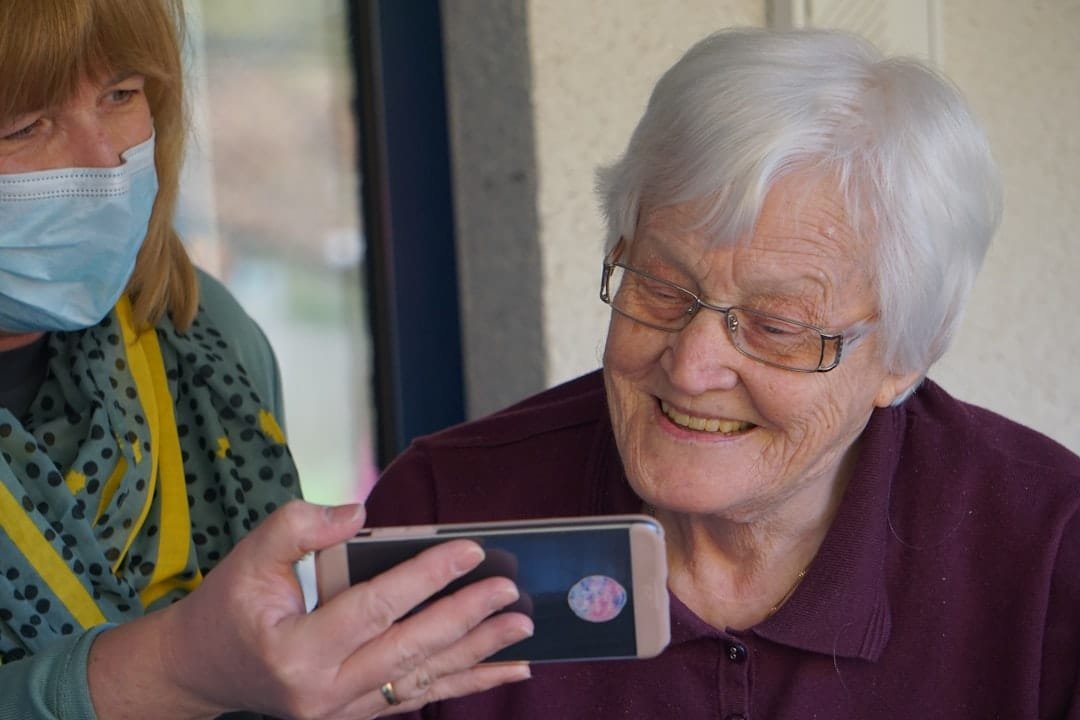
Furthermore, social interaction is a key part of 24-hour care; caregivers often play the role of friends and interlocutors.
The challenges of 24-hour care for the elderly
Despite the many benefits of 24-hour care, we cannot ignore the challenges it presents. First, the financial aspect is a significant factor. We know that 24-hour care can be expensive and many families struggle to cover these costs.
This can lead to stress and worry about the financial future. Except financial challenges, we also recognize the emotional strain on families. Caring for an elderly person can be an exhausting and stressful task.
Family members often feel guilty or helpless when they cannot provide the help they need on their own. This emotional burden can lead to family conflicts and even physical and mental exhaustion.
How to prepare for 24-hour care for the elderly
Needs assessment
This assessment will help us choose the right type of services and specialists. The next step is to explore the different options for providing 24-hour care. We can contact home care agencies or look for independent carers.
Choice of services and specialists
It is important to check references and experience of potential candidates. We also need to discuss the financial aspects and how we can cover the costs of these services.
Financial aspects and references
We must be sure that our choice is appropriate for our loved one and that we have taken all necessary measures to provide quality care. This also includes planning for the future and taking into account possible changes in the needs of our loved one.
Planning for the future
Debunking the myths about 24-hour care for the elderly
When it comes to 24-hour care for the elderly, there are many myths and misunderstandings. One of the most common myths is that these services are only for people with serious illnesses or disabilities. However, we know that many older people can benefit from ongoing care even without serious health problems.
Caring can improve quality of life and prevent social isolation. Another myth is related to the cost of 24-hour care. Many people think that they are overwhelming and inaccessible.
Although the costs can be significant, we must remember that there are various options and programs for financial assistance. Additionally, investing in quality care can have significant benefits for both the older person and their family.
Support for carers of the elderly
We cannot ignore the importance of support for elderly carers. These people often take on a huge responsibility and workload, which can lead to physical and mental exhaustion. That's why it's important that they get the support they need, whether it's through support groups or professional counseling.
It is also important that caregivers take time for themselves and their well-being. We know how difficult this is in terms of constant commitment to another person, but only when we feel good about ourselves can we effectively help others. Support from family and friends also plays an important role in coping with the challenges of elder care.
In conclusion, we realize how important the topic of 24-hour elderly care is. These services offer the necessary support and attention to our loved ones at a difficult time in their lives. However, it is important to be informed and prepared for the challenges that come with their implementation.
With the right training and support, we can provide a better quality of life for both seniors and their families.
FAQs
What is 24-hour care for the elderly?
24-hour aged care is a service provided by specialist care homes or home care agencies that provides ongoing care and supervision for older people who require ongoing support and assistance with their daily needs.
What services are provided under 24-hour care for the elderly?
Services provided within 24-hour senior care include monitoring, assistance with activities of daily living such as eating, dressing, bathing, mobility, drug therapies, and more. In addition, caregivers provide companionship and emotional support for seniors.
What is debunking the myth of 24-hour care for the elderly?
Debunking the myth of 24-hour care for the elderly involves clarifying the misconceptions and expectations associated with this service. 24-hour care is often thought to mean the constant presence of care staff, which is not always true. These services can be organized in different forms and include different models of care.
What are the different models of 24-hour care for the elderly?
Different models of 24-hour care for the elderly include 24-hour presence of care staff in the elderly person's home, rotating teams that change at set intervals, and care homes where the elderly reside permanently.