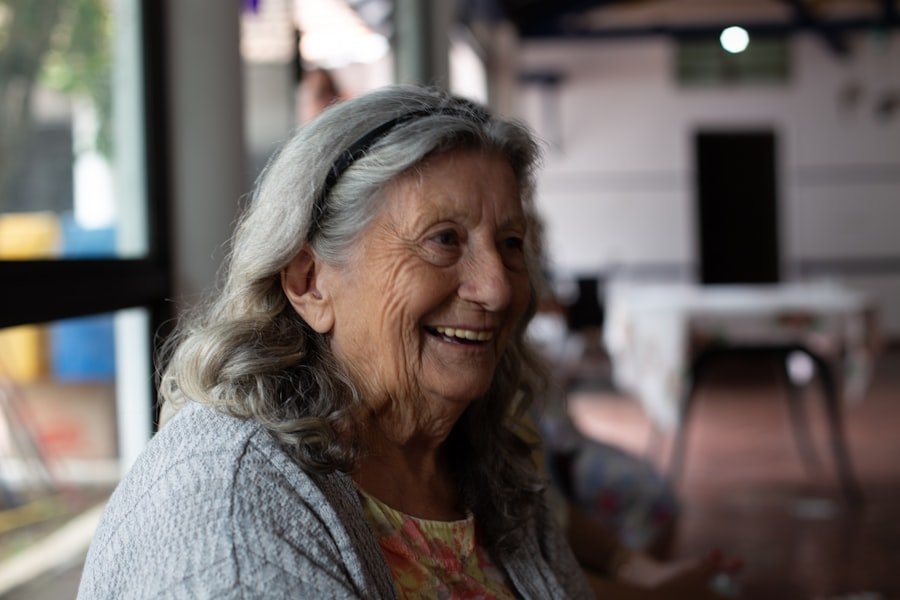
The world is changing, and with it the ways in which we approach the needs of our loved ones. More and more families in Bulgaria are looking effective solutions to maintain the health and comfort of the elderly in a home environment.
According to data from connecto.bg, over 60% of those seeking professional help face difficulties in finding a suitable specialist. This creates serious challenges for people who want to ensure the safety and well-being of their relatives.
In this dynamic environment, new approaches and tools are emerging. The focus is no longer only on the medical aspects, but also on the creation of a comprehensive support system. It includes both technical innovation and access to verified information.
We believe that each person deserves attention and an individual approach. Through this material, we will consider practical ways to improve the daily life of elderly people, paying special attention to the current needs of Bulgarian families.
Key findings
- The growing demand for qualified caregivers is outstripping the available services
- Quality information is a critical factor in choosing appropriate care
- Modern approaches integrate technology and customized solutions
- Elderly people have specific needs that require a professional approach
- Timely care significantly improves the quality of life
Market overview and current challenges in elderly care
Every day, thousands of Bulgarians face difficulties in finding help for their relatives. According to an analysis by Alo.bg, in 2023 over 75% of caregiver ads remain unserved in the first 2 weeks. This creates a critical situation for families who rely on professional support.
Geographical imbalance and lack of specialists
The data show a clear imbalance between the big cities and the countryside. In Sofia, there are 3 times more ads for help than in Burgas, but even there the offers do not cover the needs:
| City | Active listings | Average time to fill |
|---|---|---|
| Sofia | 320 | 18 days |
| Plovdiv | 145 | 27 days |
| Burgas | 98 | 34 days |
Influence of the modern rhythm of life
The employment of working relatives limits the opportunities for direct care. More than 60% of respondents say that they rely on external sources of assistance at least 4 days a week.
Variable demand and static supply
Platforms like connecto.bg offer innovative solutions through automated matching of needs and services. Technology helps reduce the time to find a suitable specialist with 40% compared to traditional methods.
How would you improve access to quality care in your region? Your ideas can be key to solving this growing problem.
The latest trends in elder care at home
Technological advances are transforming the way elderly care is provided. Smart systems and digital platforms already offer customized solutions, which make everyday tasks easier.
Innovations and technological solutions in home care
Smart sensors for monitoring vital signs are among the most popular tools. They enable immediate reporting of abnormal values, which reduces risks. Mobile medication management apps help ensure accurate adherence to prescriptions.

According to industry research, automated systems are declining errors in care by over 35%. This is especially important as many families do not have access to on-site specialists.
The role of platforms like connecto.bg in the optimization of services
Platforms for connecting service seekers and service providers solve key problems. Connecto.bg, for example, offers:
| Functionality | Traditional method | A technological solution |
|---|---|---|
| Search for a specialist | 7-14 days | up to 24 hours |
| Qualification check | Manual verification | Automated system |
| Communication | Phone calls | Chat and video consultations |
This innovative way of working answers the main questions in choosing the right help. By integrating technology, families save time and ensure the quality of care.
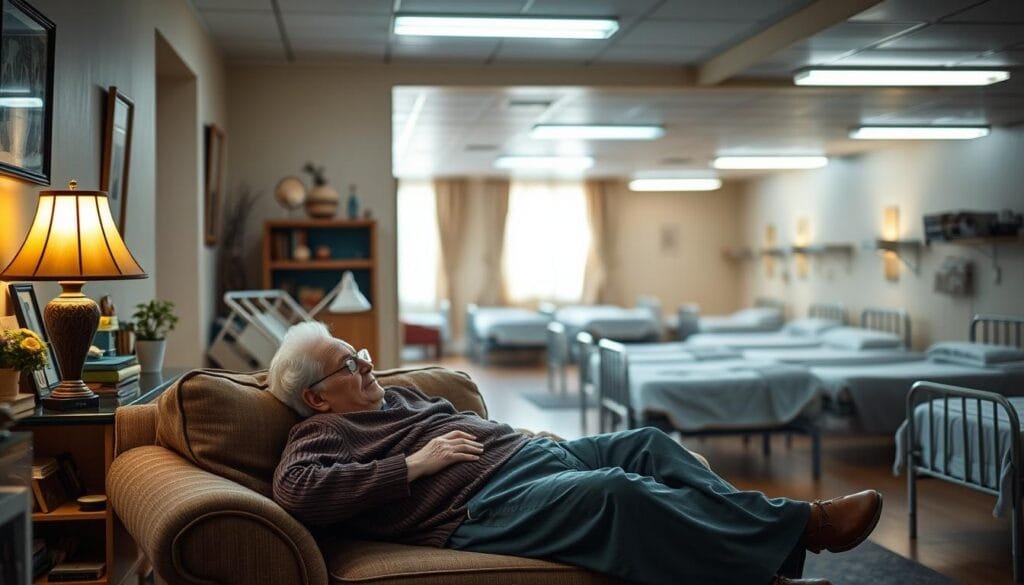
A comparison of home care and institutional care for the elderly
The choice between home care and a specialized home is complex and requires careful analysis. Each solution brings specific advantages and limitations that directly affect the everyday life and emotional balance to the whole family.
Criteria for selecting appropriate care and assessing standards
Key factors include the safety of the setting and the availability of licensed medical personnel. At home the job focuses on adapting the space, while institutions offer ready-made infrastructure solutions:
| Criterion | Home care | Institutional homes |
|---|---|---|
| Medical supervision | Limited to visits | 24/7 availability |
| Socialization | It depends on family contacts | Organized group activities |
| Expenses | 800-1500 BGN/month | 1200-3000 BGN/month |
Difference between public and private nursing homes
Government establishments offer basic services at fixed prices, but with limited opportunities for customization. Private alternatives include complementary therapies and individualized programs that reflect specific needs to each person.
When choosing, it is key to take into account the addiction from the adaptation time. Home environment familiar but requiring constant adjustments. Institutions offer stability, but change can be stressful.
Conclusion
Modern challenges require joint efforts and innovative approaches. Choosing appropriate support for loved ones depends on a balance between technological solutions and the human approach. Evidence suggests that this may be the key to a sustained improvement in quality of life.
One should orientate himself to proven methods based on real needs. The integration of smart devices and professional care creates a complete system. It guarantees safety and dignity for every member of the family.
We believe that well-being is achieved through conscious choice and access to proven resources. Get to know the possibilities of platforms like connecto.bg - they offer customized solutions for your specific case. Together we can create a better future for those who need our support the most.