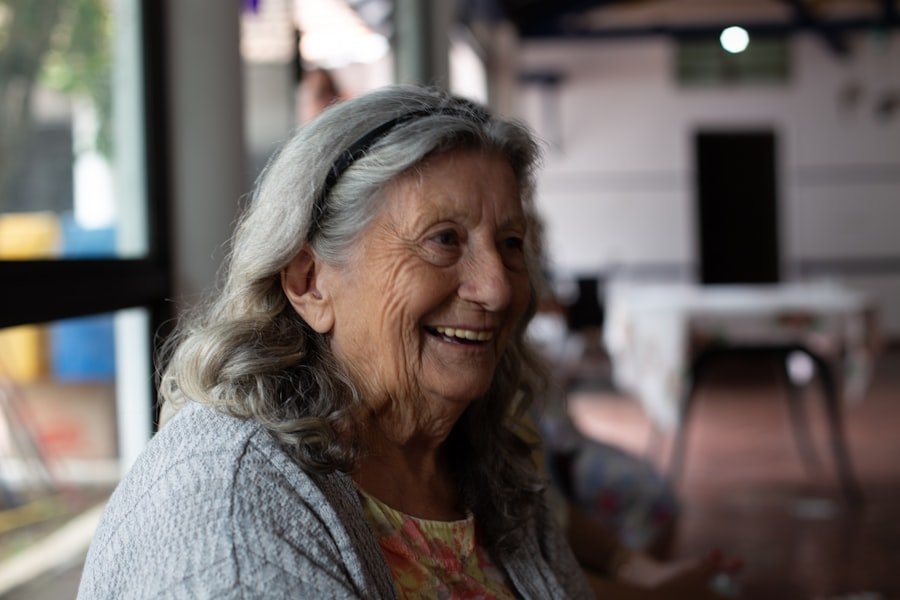
Love and care play a key role in everyone's life, especially when it comes to the elderly.
When we care for our loved ones, we not only meet their physical needs, but also provide them with emotional support.
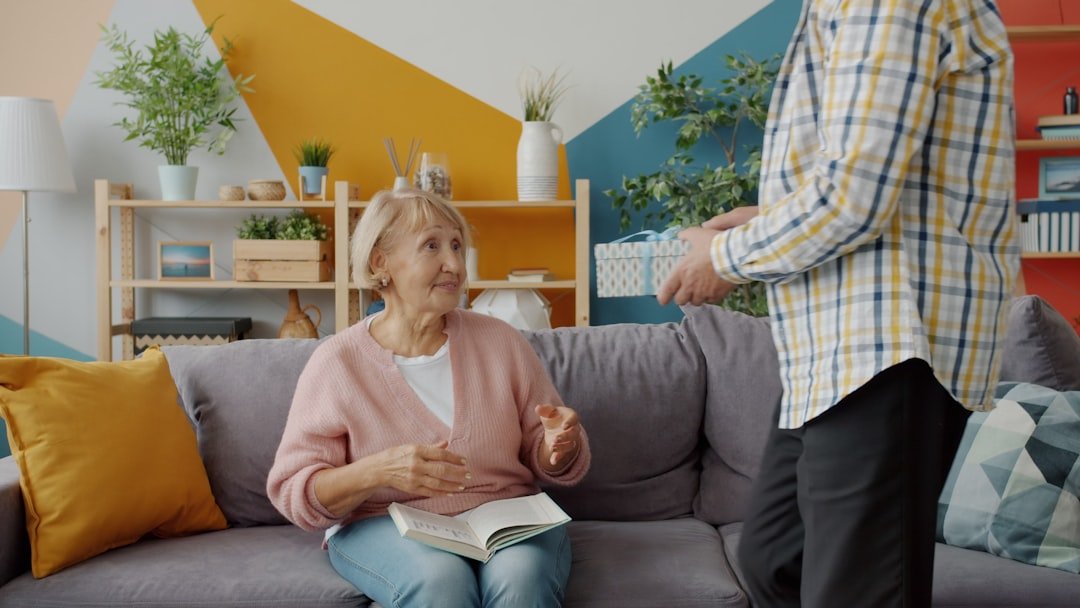
Interacting with our loved ones in a familiar environment creates an atmosphere of trust and calm. When they know we are there for them, they can relax and enjoy the moment.
The love we express through small gestures, conversations or just being there is essential to their mental health. We are the ones who can help them feel valued and loved, which is fundamental to their well-being.
Summary
- Love and care are essential for adults in a familiar environment
- Home preparation is essential for elder care
- Ensuring comfort and safety is key for seniors
- Basic care for personal hygiene and nutrition are essential for adults
- Managing medications and medical care is essential for seniors
Preparing the home for elderly care
Space evaluation and safety adjustments
The first step is to assess the space and make the necessary adjustments to ensure safety and comfort. This may include removing obstructions, installing grab bars in the bathroom and providing good lighting.
Creating a cozy and welcoming atmosphere
All these measures are essential to prevent accidents and facilitate the movement of the elderly person. The next step is to create a cozy and welcoming atmosphere. We can add personal items, photos and objects that remind them of happy moments in their lives.
Organization of space for independence
These details will not only make the home cozier, but also help the elderly person feel connected to their past. It is important to make sure that everything is organized in a way that makes their daily life easier and allows them to feel independent.
Ensuring comfort and safety for the adult
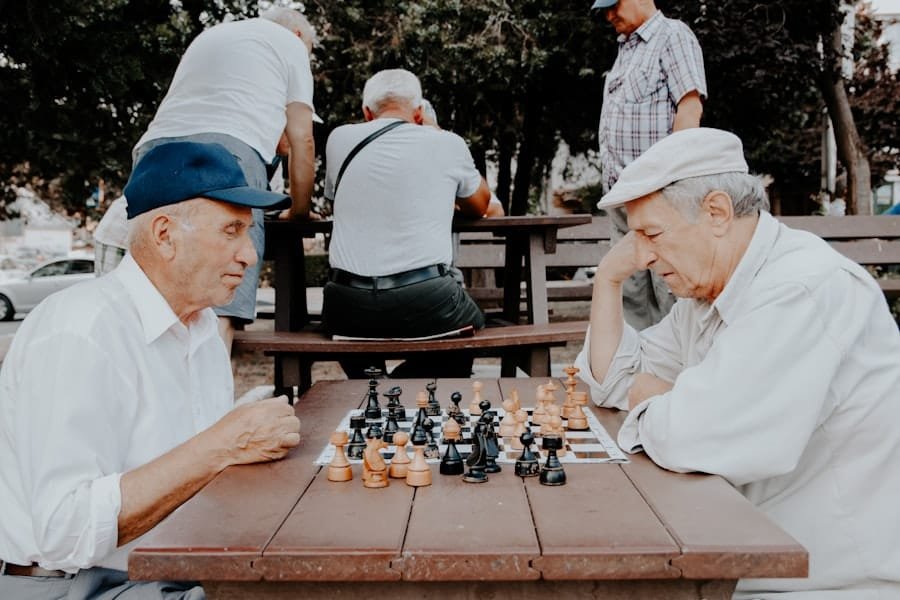
When we talk about the comfort and safety of the elderly, there are many factors to consider. First, the furniture should be selected so that it provides comfort when sitting and standing. Choosing chairs with the right height and support is essential.
Additionally, we can consider adding specialized furniture that facilitates daily activities. Safety is another important aspect. Installing anti-slip mats in the bathroom and hallways can significantly reduce the risk from falls.
Also, it is important to make sure that all electrical appliances are in good condition and easily accessible. Through these measures we can create an environment where the elderly person will feel safe and secure.
Basic care for personal hygiene and nutrition
Personal hygiene and nutrition are fundamental aspects of the daily life of the elderly. Taking care of their hygiene is not only important for their physical health, but also affects their self-esteem. We can help with daily routine activities such as bathing, dressing and maintaining personal hygiene.
It is important to approach them with respect and patience, allowing them to maintain their independence. Nutrition also plays an important role in the lives of the elderly. We can make sure they get a balanced and nutritious menu that meets their needs.
Preparing food with consideration for their preferences and limitations is essential. Additionally, we can organize meals to be a social experience – sharing a meal with loved ones can be a great way to strengthen bonds.
Medication and medical care management
Medication management is critically important to the health of older adults. We must strictly follow the prescriptions of the doctors and ensure the correct intake of the medicines. Creating a medication schedule can be a useful tool to avoid missing or duplicating doses.
It is also important to regularly check the availability of medicines and replace them in time. Medical care is not limited to just taking medicine. We must actively monitor the health status of the elderly person and, if necessary, organize visits to specialists.
Maintaining communication with doctors and nurses is essential to ensure adequate medical care. By carefully managing medical care, we can help the elderly live a healthier and more active life.
Support for the emotional well-being of the elderly
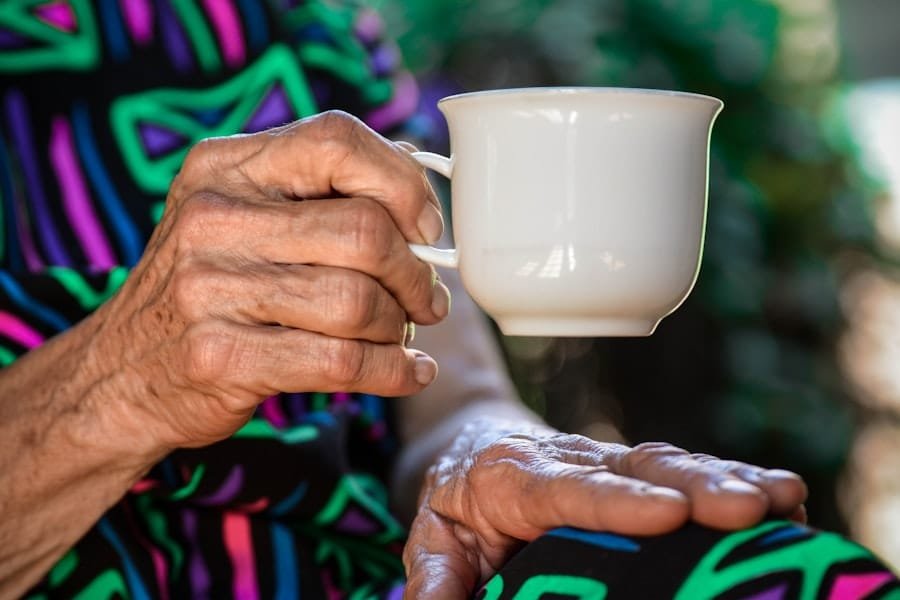
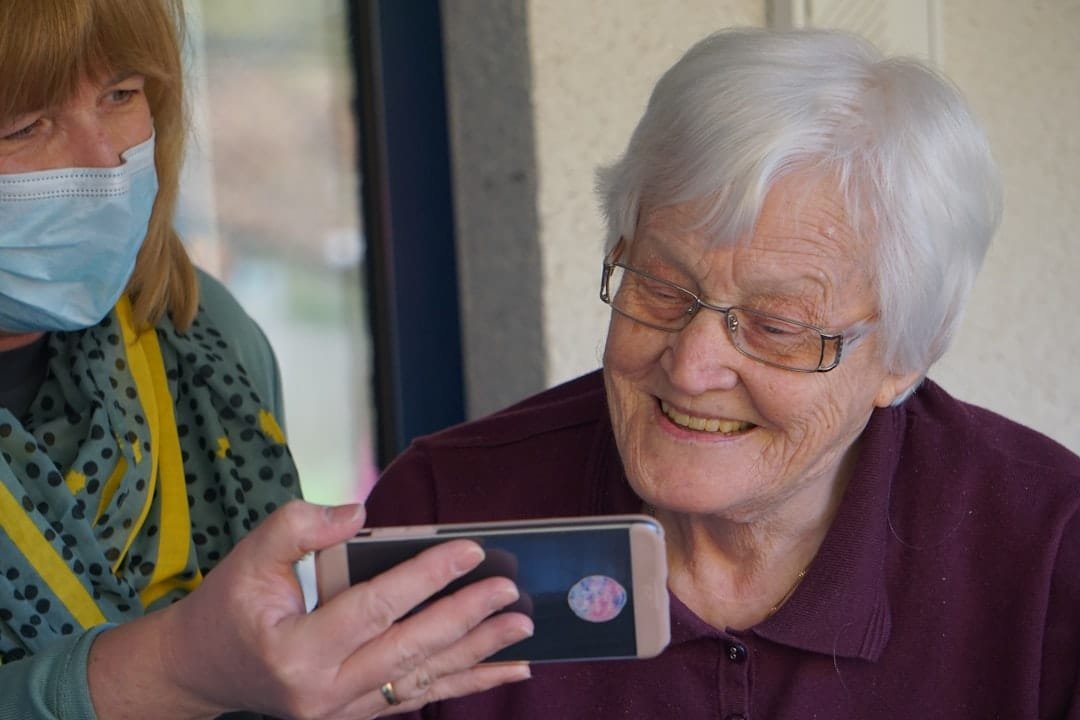
Emotional well-being is no less important than physical health. We can play a key role in supporting the elderly during difficult times. By actively listening and showing understanding, we can help reduce feelings of loneliness and isolation.
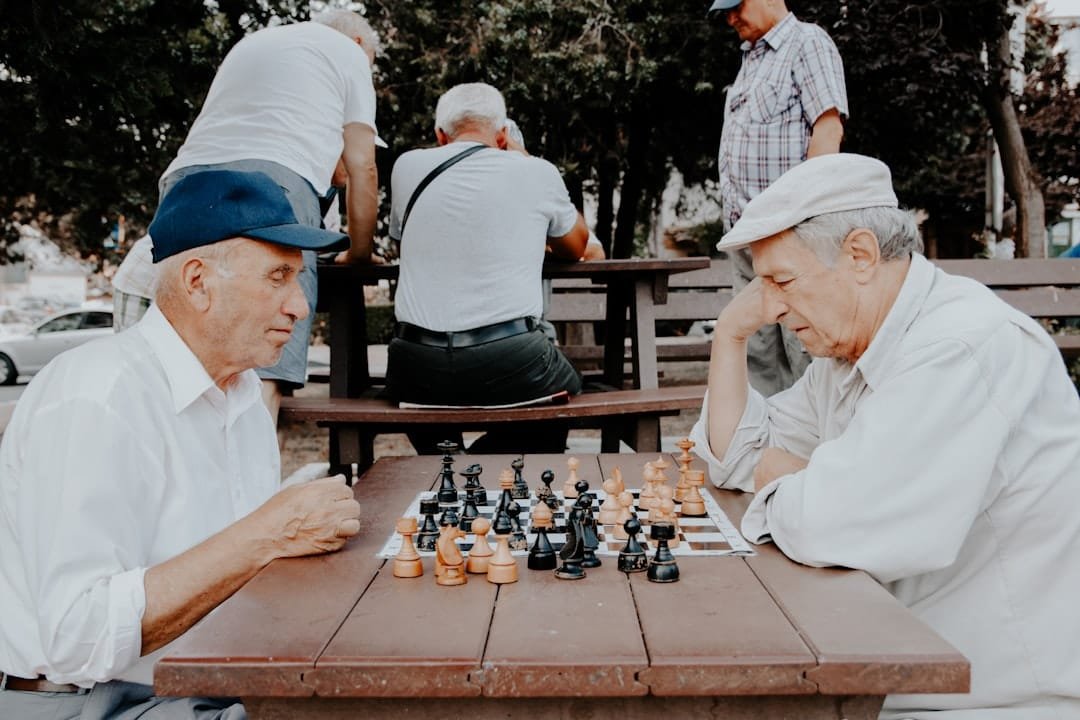
Talking about memories, interests, or even just everyday topics can greatly improve their mood. Also, we can encourage participation in social activities or hobbies they enjoy. Organizing get-togethers with friends or family can be a great way to boost their spirits.
It is important to be attentive to their needs and desires, giving them space to express their emotions. Through our support, we can help build a positive environment that promotes happiness and fulfillment.
Interaction with medical professionals and other caregivers
Interaction with medical professionals is an important aspect of elder care. We should actively participate in medical examinations and consultations, asking questions and expressing our concerns about the health status of our loved ones. Through active participation, we can ensure a better understanding of their needs and adequate medical care.
It's also important to keep in touch with other carers – whether family members or care professionals. Sharing information about the older person's health and needs can help coordinate our efforts. By working together we can provide better care and support which will lead to a better quality of life for our loved ones.
Self-support and respite for carers
Caring for the elderly can be an exhausting task, so self-advocacy is essential for us as carers. We need to make time for ourselves so that we can effectively care for others. This can include activities that make us happy - sports, hobbies or just spending time with friends.
By nurturing our own well-being, we can be better caregivers. Rest also plays an important role in our lives as caregivers. We must actively seek out ways to relax and restore—whether through meditation, yoga, or simply a walk in nature.
When we feel well physically and mentally, we can better cope with the challenges of caring for the elderly. Through self-support, we can not only improve our own quality of life, but also that of our loved ones.
FAQs
What is a guide to caring for the elderly at home?
The guide to elderly care at home is a document that provides information and guidance on the care that should be provided to older people at home. It includes information on the basic needs of older people as well as practical advice on care and support.
What are the basic principles of elder care at home?
The basic principles of home care for older people include respecting the dignity of older people, ensuring comfort and safety, supporting their independence, providing adequate nutrition and hydration, and providing medical care and support.
What are the basic needs of the elderly that should be considered in home care?
The basic needs of the elderly to be considered in home care include physical needs such as nutrition, hydration, personal hygiene and movement, as well as emotional and social needs such as companionship, support and respect.
What are the advantages of caring for the elderly at home versus institutional care?
The advantages of caring for the elderly at home include greater comfort and familiarity for the elderly, greater independence and freedom of action, greater opportunity to maintain social connections, and greater individual attention and care.