When it comes to preparing the home environment, we recognize that comfort is essential to the well-being of seniors.
It is often necessary to remove unnecessary items and arrange the furniture in a way that facilitates movement.
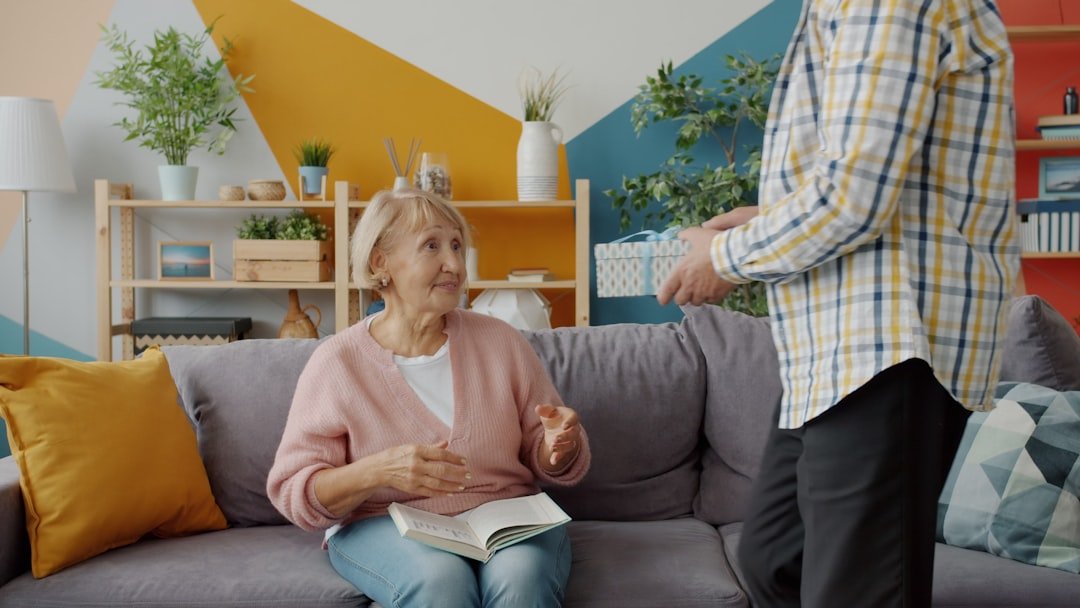
For example, we can move furniture to create wider passages and provide easy access to important areas, such as the kitchen and bathroom. In addition, we can add comfortable chairs and beds of suitable height to make sitting and getting up easier. Another important aspect is lighting.
We can make sure that all rooms are well lit, especially corridors and stairs.
Also, we can consider adding anti-slip rugs and mats to prevent accidents.
All these measures will not only make the home more comfortable, but also create an atmosphere of security and peace.
Summary
- Keep your home clean and tidy to create a more comfortable environment for seniors
- Get help with shopping and cooking to help seniors with their daily needs
- Install additional safety features such as handrails and anti-slip pads
- Support mental health of the elderly through conversations and communication
- Organize regular medical examinations and provide necessary medical care for the elderly
Assisting the elderly in their daily needs
In the daily life of older people, there are often challenges that can make it difficult to perform basic tasks. We can play an important role in helping them with these needs. For example, we can organize shopping schedule of groceries and food preparation.
Elderly people often cannot cope with shopping or cooking alone, so it is important to offer them help. We can prepare healthy meals that will not only satisfy their taste preferences but also provide the necessary nutrients. We can also help with personal hygiene and home maintenance.
Some older people may have difficulty bathing or dressing, so it is important to be patient and careful at these times. We can offer help choosing clothes or even accompany them to the bathroom if needed. In addition, we can take care of the regular cleaning of the home, which is essential for maintaining a healthy environment.
Ensuring safety in the home environment

Home safety is paramount for seniors. We can take a number of measures to ensure that they live in a safe environment. First, we can check the presence of fire alarms and make sure they are working properly.
It is also important to have an evacuation plan in case of fire or other emergency. We can discuss this plan with the older person and make sure they know what to do in an emergency. Another aspect of safety is preventing falls.
We can install handrails in the stairs and the bathroom, as well as ensure the availability of anti-slip mats in the bathroom. Additionally, we can check the senior's shoes and make sure they are comfortable and safe to wear. All these measures will help reduce the risk of accidents and provide peace of mind for both us and them.
Mental health support for older people
| ÐḈ៰одкÑḰепа | - | идѸаве | - | ХоÑÒа |
|---|---|---|---|---|
| Ðа | Ðа | Ðа | Ðа | Ðа |
| ие | ие | ие | ие | ие |
| Ðа | Ðа | Ðа | Ðа | Ðа |
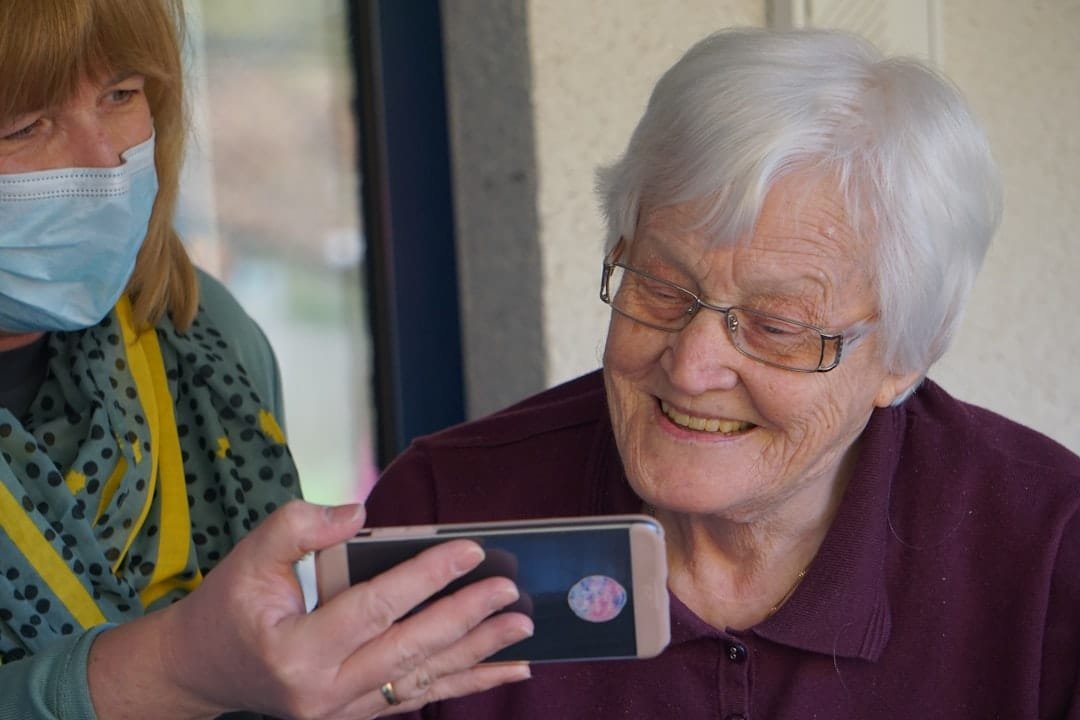
Mental health is no less important than the physical well-being of the elderly. We can actively engage with them and support them in difficult times. Older people often feel lonely or isolated, especially if they live alone.
We can arrange regular visits or phone calls to keep in touch and show them that we care about their well-being. Also, we can encourage their participation in social activities or hobbies that could improve their mood. For example, we can enroll them in painting or dance classes that will not only give them new skills but also help them connect with other people.
Mental health support is an important part of aged care and we need to actively work towards it.
Regular medical examinations and care
Regular medical check-ups are essential to maintaining the health of the elderly. We can help arrange these appointments and make sure they don't miss important appointments with the doctor. Elderly people can often forget or dread visits to the doctor, so it is important that we are there for them and support them in this process.
Also, we can monitor the taking of medications and compliance with the doctor's prescriptions. We can create a medication schedule and even use apps or notes that will remind the senior when to take their medication. All these efforts will help prevent complications and provide a better quality of life.
Helping the elderly with social connections and activities
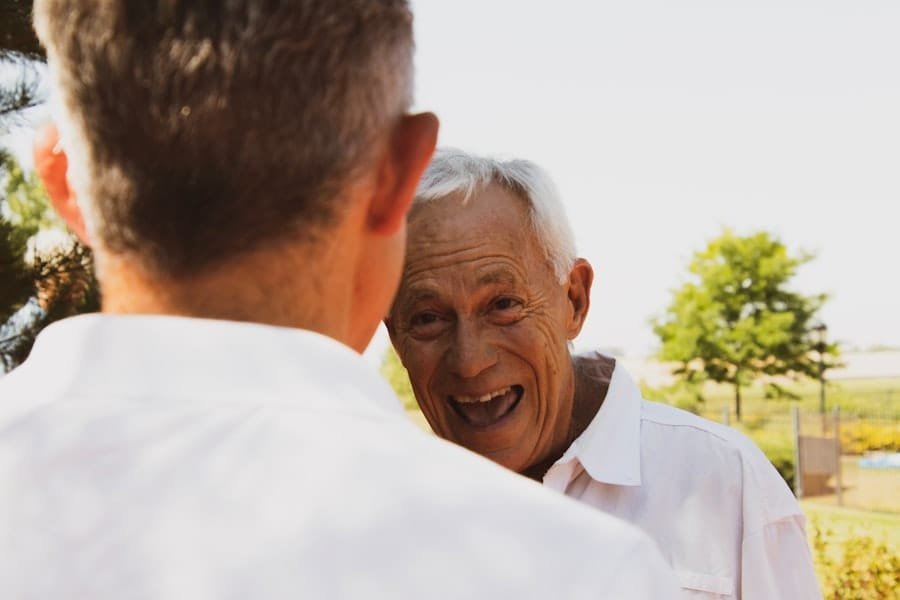
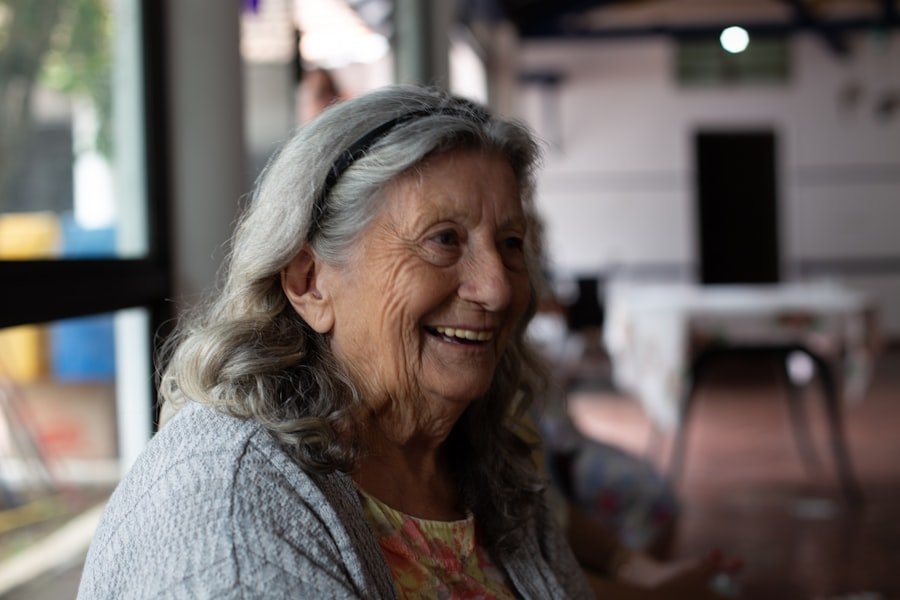
Social connections play an important role in the life of every person, especially the elderly. We can actively encourage their participation in social activities and events. For example, we can enroll them in clubs or organizations for the elderly, where they can meet new friends and participate in different activities.
This will not only improve their socialization but also contribute to their mental health. Also, we can organize family gatherings or outings ourselves, which will allow the elderly person to connect with their loved ones. Often small gestures like an invitation to lunch or a walk can go a long way in improving their mood and making them happier.
It is important that we actively work to maintain the social connections of older people and help them build new friendships.
Medication and nutrition management
Medication and nutrition management is a key aspect of geriatric care. We can actively engage in this process by monitoring what medications they take and what their diet is like. Often the elderly may have specific dietary needs or allergies, so it is important that we are informed about their situation.
We can even work with a nutritionist to help us put together a proper diet. Also, we can arrange a medication schedule and regular medication stock checks. Often, seniors forget when to take their medications or even miss doses.
We can use a variety of methods – from reminders to specialized medicine boxes – to facilitate this process. All these efforts will contribute to better management of their health.
Support for the care of the elderly by their relatives
Support from relatives is essential for the well-being of older people. We must be actively involved in their lives and cares, offering help and understanding. Often the loved ones themselves can feel overwhelmed by their responsibilities, so it is important for us to be there for them and offer support not only to the elderly person, but also to the family.
We can also organize support groups between relatives of elderly people where they can share experiences and advice with each other. This support can greatly ease the stress and pressure on the family. It is important that we actively work on building a network of support around the elderly person, which will provide them with the necessary care and attention throughout their lives.
FAQs
What is home care for the elderly?
Home care for older people involves providing the necessary care and support for older people who live at home. This can include medical care, help with daily tasks, social support, and more.
What are the main challenges in caring for the elderly in a home environment?
The main challenges in caring for the elderly in the home environment include lack of professional help, financial constraints, lack of appropriate care services and problems accessing health care.
What are the benefits of in-home elder care?
The advantages of elder care in a home environment include greater independence and convenience for the elderly, lower costs compared to institutional care, and a greater sense of home.
What support can be provided for caring for older people in a home environment?
Support for caring for the elderly in the home environment can include professional medical care, home care, social support, financial assistance, training for caregivers, and more.