As a son/daughter, I am faced with the challenge of caring for an elderly parent, which is a responsibility loaded with multiple emotional, physical and financial dimensions. This list has been created to illustrate the main activities that structure caring for an elderly parent, offering a practical guide for others walking this path. I see it as a road map whose stations must be visited regularly and carefully to ensure the well-being of the parent.
The first and most important step is to do a thorough assessment of the parent's needs. This is not a one-time process, but a constantly evolving activity that requires flexibility and adaptability. I see it as calibrating a compass that guides all subsequent actions.
A. Medical evaluation
The medical assessment is the foundation upon which the overall plan of care is built. It includes gathering information about the parent's current health status.
- Medical History Review: I begin by reviewing all available medical records, epicrisis, test results, and medication prescriptions. This helps me get a clear picture of chronic diseases, allergies and previous interventions.
- Consultations with specialist doctors: I organize meetings with the parent's personal doctor, as well as with all the specialists who monitor him (cardiologist, endocrinologist, neurologist, etc.). During these consultations, I ask questions about the prognosis, the prescribed therapy, possible side effects of the drugs and recommendations for daily life. I always prepare a list of questions in advance so that I don't miss important information.
- Assessment of cognitive functions: I pay particular attention to the possibility of cognitive impairment, as these can significantly affect the ability to live independently and make decisions. This may include brief cognitive tests administered by a physician or simply monitoring memory, orientation, and problem-solving abilities in everyday life. If necessary, I also seek a consultation with a neurologist.
- Assessment of physical mobility and independence: This assessment includes observing the parent's ability to perform basic activities of daily living (ADL), such as dressing, feeding, bathing, toileting, and instrumental activities of daily living (IADL), such as shopping, cooking, managing finances, and using transportation. This information is crucial in determining the level of assistance required.
B. Social and emotional assessment
Assessing social and emotional needs is an integral part of the overall plan, as mental health is just as important as physical health.
- Social Network Rating: I look at the number and quality of the parent's social contacts – friends, neighbors, family members, participation in clubs or community activities. Loneliness and isolation are common problems in the elderly and I aim to identify them and take measures to overcome them.
- Assessment of the emotional state: I watch for signs of depression, anxiety, apathy, or other changes in mood and behavior. An open conversation with the parent is key, as is seeking professional help if needed.
- Identifying hobbies and interests: Understanding what brings joy and meaning to a parent is essential. I seek to support and encourage the preservation of these interests by adapting them to changing opportunities.
C. Financial and Legal Assessment
This assessment is often a sensitive subject, but it is essential to ensure stability and security.
- Financial overview: I help the parent review income, expenses, savings and any debts. The goal is to ensure that there are enough funds to cover all needs, including medical care and home maintenance.
- Evaluation of legal documents: I make sure all necessary legal documents are available and up to date. This includes wills, powers of attorney for health care and financial decisions, and advance directives. It's like insurance against future unknowns.
- Planning for future needs: I discuss with the parent the possibilities for long term care, including home patronage, day care centers or transfer to a specialist facility should this ever become necessary.
II. Provision of medical care and medicines
Once I have a clear picture of the parent's health status, my focus shifts to proactively managing medical care.
A. Coordination of medical appointments and transportation
- Scheduling regular check-ups: I am responsible for organizing and scheduling all necessary examinations with a personal physician and specialists. I maintain a calendar with dates and times.
- Providing transportation: If the parent cannot drive or use public transportation, I provide transportation to and from medical facilities. This may include personal driving, arranging taxis or specialized transport.
- Follow up reviews: I accompany the parent to appointments to ask questions, take notes, and participate in discussion of the treatment plan. I feel that this way I can be a 'second pair of ears' and ensure that all information is properly understood.
B. Medication Management
This is one of the most sensitive and important aspects of care, as mistakes can have serious consequences.
- Organizing the first aid kit: I help systematize all medications by organizing them by days and times of administration. I use pill dispensers to prevent confusion.
- Admission tracking: I create a system to track medication intakes, especially if there is a complicated regimen or different intake times.
- Prescription loading and stock control: I regularly check the available quantities of medicines and renew prescriptions in a timely manner.
- Monitoring of side effects: I constantly watch for any side effects or changes in the parent's condition that may be related to the medication and report them to the doctor.
C. Communication with medical team
- Maintaining open communication: I am in regular contact with doctors and other medical professionals to inform them of changes in the parent's condition and to receive up-to-date information.
- Keeping medical records: I keep all medical records, test results, and medication information organized so they can be easily accessed when needed.
III. Maintaining a safe and comfortable home environment

Home is a fortress, and for the elderly - a place of security and familiarity. I try to keep it that way.
A. Home Adaptation
- Eliminate hazards: I identify and remove potential hazards such as slippery carpets, loose cables or inadequate lighting.
- Install utilities: Depending on the needs, I install handrails in the bathroom, lifting devices for the toilet, non-slip mats and other devices that facilitate movement and reduce the risk of falls.
- Ensuring easy access: I rearrange the furniture so that there is enough free space for movement, especially if the parent uses a walker or wheelchair.
- Maintaining adequate temperature and ventilation: I monitor the comfort of the parent, ensuring the appropriate temperature in the home and regular ventilation.
B. Maintaining cleanliness and hygiene
- Regular cleaning: I help with the regular cleaning of the home to maintain a hygienic and pleasant environment.
- Help with personal hygiene: If necessary, I help the parent with bathing, dressing, combing and other activities related to personal hygiene, always striving to preserve his dignity.
C. Provision of food and nutrition
- Menu planning and shopping: I am responsible for planning healthy and balanced meals, tailored to the parent's nutritional needs and taste preferences, as well as grocery shopping.
- Food preparation: I prepare meals that are easy to chew and digest.
- Nutrition and hydration monitoring: I monitor adequate food and fluid intake, as dehydration is a common problem in the elderly.
IV. Providing emotional support and social contacts
Taking care of emotional well-being is just as vital as physical well-being.
A. Active listening and empathy
- Regular calls: I take the time to have open and honest conversations with the parent, listening attentively and empathetically. Sometimes simply being present and listening is the best medicine.
- Accepting emotions: I let the parent express their feelings – joy, sadness, fear, anger – without judging them. I recognize his pain when he feels it.
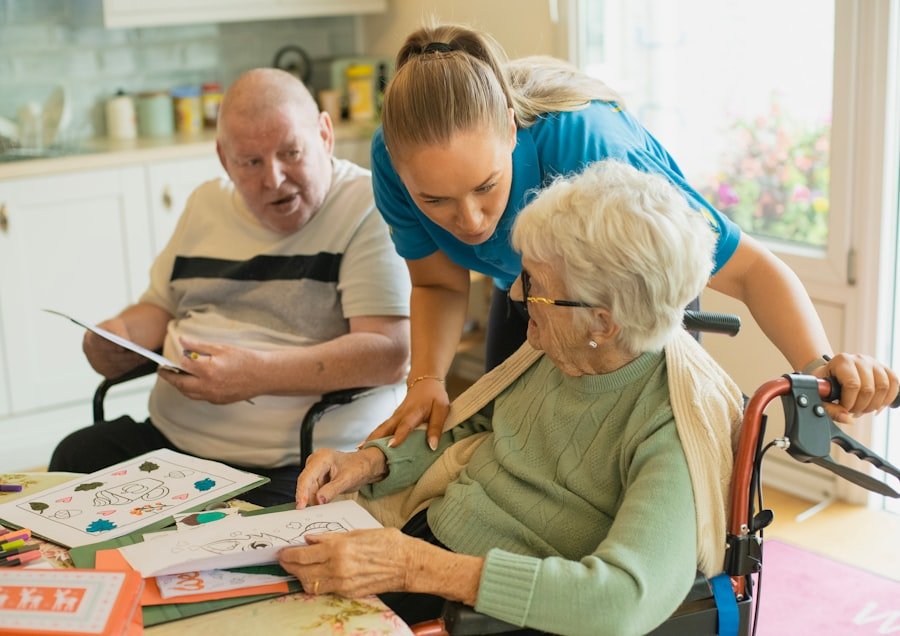
- Joint activities: I do my best to include the parent in family events and activities, even if adaptations are necessary.
B. Promotion of social activity
- Arranging visits: I encourage friends and relatives to visit the parent. If necessary, I help organize these meetings.
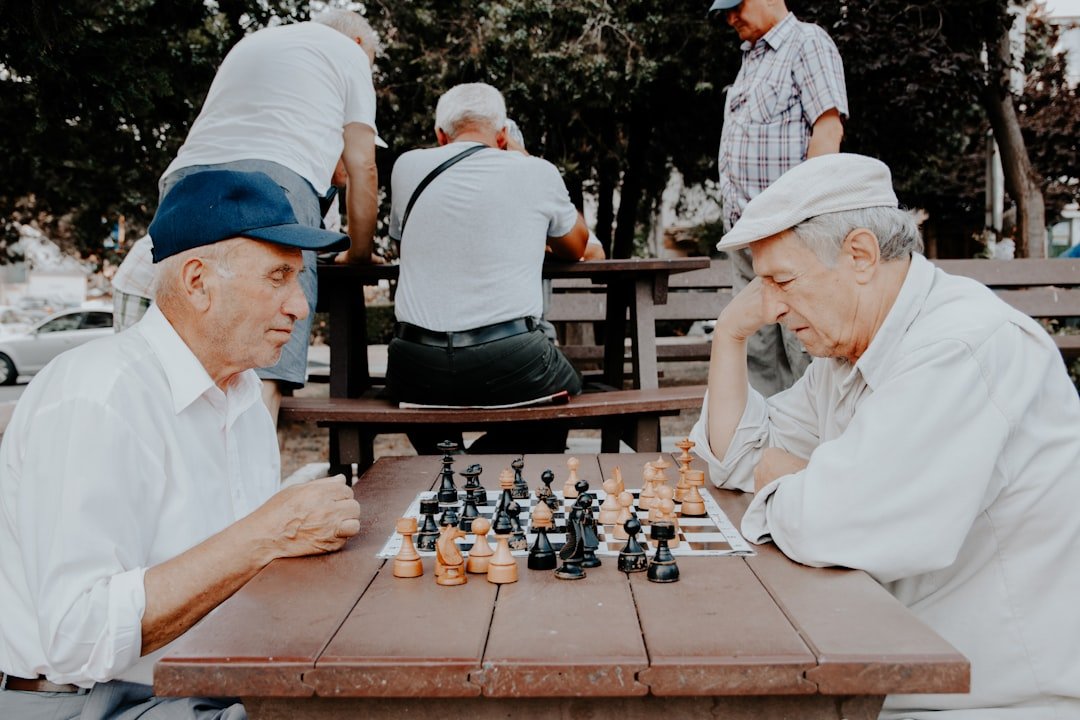
- Maintaining old hobbies: I help the parent continue to engage in hobbies that make him happy by adapting them to his current capabilities. Maybe he once liked to draw, and now he can paint with watercolors or listen to classical music.
- Involvement in community activities: If possible, I look for opportunities to involve the parent in community activities or senior clubs.
C. Support for depression and anxiety
- Watch for signs: I carefully watch for signs of depression or anxiety, being ready to seek professional help (psychologist, psychiatrist) if necessary.
- Maintaining a routine: Maintaining a daily routine can provide a sense of stability and control, which is important for emotional well-being.
V. Financial and Legal Management
| Main activity | Description | Frequency | Required resources | Responsible |
|---|---|---|---|---|
| Help with personal hygiene | Assisting with bathing, dressing and maintaining personal hygiene | Daily | Hygienic materials, time | Family/caregiver |
| Taking medication | Organize and remind to take prescribed medications | According to prescription | Medicines, tablet case | Nursing/medical staff |
| Food preparation | Providing balanced and appropriate meals | 3 times a day | Food, kitchen appliances | Family/caregiver |
| Medical examinations | Organization of visits to doctors and specialists | As needed | Transport, medical documents | Caring |
| Social support | Providing contact with friends and social activities | Weekly | Time, transport | Family/caregiver |
| Home maintenance | Cleaning and arranging the house | Weekly | Cleaning agents, time | Caregiver/helper |
| Physical activity | Facilitate light exercise and walking | Daily | Right time, right place | Caring |
This aspect of caregiving is often the most complex and stressful, but is critical to the peace of mind of all involved. I see it as the foundation upon which a parent's security is built.
A. Budgeting and paying bills
- Creating a budget: I help the parent create a monthly budget by tracking all income and expenses.
- Paying bills: I make sure all bills (electricity, water, heating, phone, internet, rent/mortgage, insurance) are paid on time to avoid penalties or service interruption. This may include setting up automatic payments.
- Cost Control: I discuss with the parent ways to control spending and save if necessary.
B. Management of Bank Accounts and Investments
- Monitoring bank accounts: I regularly check bank statements to ensure there are no unauthorized transactions or fraud.
- Investment Management: If the parent has investments, I help them manage them, consulting with financial advisors as needed. I always strive to act in his best interest.
- Fraud prevention: I inform the parent about common fraud schemes targeting the elderly and protect them from them.
C. Updating Legal Documents
- Will and powers of attorney: I make sure the parent's will is up to date and that powers of attorney are available for health care and financial decisions. These documents are extremely important in case of unforeseen circumstances and ensure that the parent's wishes are followed. I have personally seen how important this is.
- Discussion with a lawyer: If necessary, I arrange meetings with a lawyer to review and update legal documents, as well as to discuss future estate or inheritance plans.
D. Long-term care planning
- Discuss options: I have open conversations with the parent about various options for long-term care - home patronage, day care centers, assisted living services or moving to a specialized facility if in the future his needs exceed my capabilities or those of the family.
- Funding Research: I am looking at options for financing long-term care, including insurance, government programs or personal savings.
VI. Self-care and balance
Caring for an elderly parent is a marathon, not a sprint. If I, as a caregiver, do not take care of myself, I cannot be effective in the long run. I see it as a need to recharge my own battery so that I can continue to give energy.
A. Recognizing the signs of burnout
- Monitoring physical and emotional symptoms: I watch carefully for signs of fatigue, exhaustion, irritability, anxiety, depression or apathy. These are the red lights that tell me to slow down.
- Acknowledging your needs: I admit that I need rest, support and time to myself.
B. Seeking support
- Talking to family: I communicate openly with other family members to share responsibilities and gain support.
- Mutual aid groups: Sometimes I join support groups for people who care for elderly parents. Talking to people who are going through similar difficulties is extremely helpful.
- Friends and a wide social network: I keep in touch with friends and a social network that can offer me emotional support.
- Professional help: I do not hesitate to seek professional help from a psychologist or therapist if I feel that I cannot cope with the emotional burden alone.
C. Making time for yourself
- Personal hobbies and interests: I deliberately make time for activities that recharge me - reading, sports, gardening, meeting friends. These moments are like oases in the desert of everyday worries.
- Rest and relaxation: I make sure I get enough sleep and rest.
- Healthy habits: I strive to maintain a healthy lifestyle - balanced nutrition and physical activity.
D. Use of outside assistance
- Professional care: If necessary, I hire professional caregivers (domestic helpers, assistants) to lighten the load and ensure time for myself.
- Day care centers: I am researching options for senior day care centers that can provide a structured environment and social contact for the parent while I am away from home.
Caring for an elderly parent is a complex and multi-layered process that requires patience, love, organization and the ability to adapt. The presented list of activities serves as a framework that I personally use in my efforts. It is not comprehensive, but it outlines the basic steps that I believe are fundamental to ensuring a dignified life and well-being for the elderly parent. I strive to carry out these activities with understanding, empathy and with the firm belief that every parent deserves our care and respect in the golden years of their lives. This journey can be challenging, but it is also filled with opportunities to bond and express love.
FAQs
What are the main activities of caring for an elderly parent?
Basic activities include assistance with personal hygiene, meal preparation, medication administration, providing a safe environment, and emotional support.
How to organize daily care for an elderly parent?
It is important to create a schedule with specific tasks, ensure appropriate medical supervision and involve professional care as needed.
What medical care is needed for an elderly parent?
These may include regular check-ups, management of chronic conditions, taking prescribed medications, and assistance with rehabilitation.
How to provide a safe environment for an elderly parent at home?
This includes removing obstacles, ensuring good lighting, installing safety railings, and using assistive devices when needed.
How to address the emotional needs of an elderly parent?
It is important to provide social support, encourage communication with family and friends, and offer activities that stimulate mental activity.