Our Struggle and Dedication: Caring for an elderly person with Alzheimer's at home
When Alzheimer's disease touched by a member of our family, it is as if part of the landscape around us blurs and familiar paths become uncertain. The approach to caring for an elderly person at home when they are affected by this progressive neurodegenerative disease requires much more than simple dedication. It is a continuous process of adaptation, patience and deep understanding. Here in our homes, we become a team that works side by side, even as memories begin to crumble like plays that lose their pages.
Before we can effectively care, we must understand. Alzheimer's disease is not just "forgetting". It is a complex complex of changes in the brain that affect memory, thinking, language, problem-solving ability, and even personality. As builders, we need to know the material we are working with – its strengths and weaknesses, its predictability (or lack thereof).
What is Alzheimer's disease?
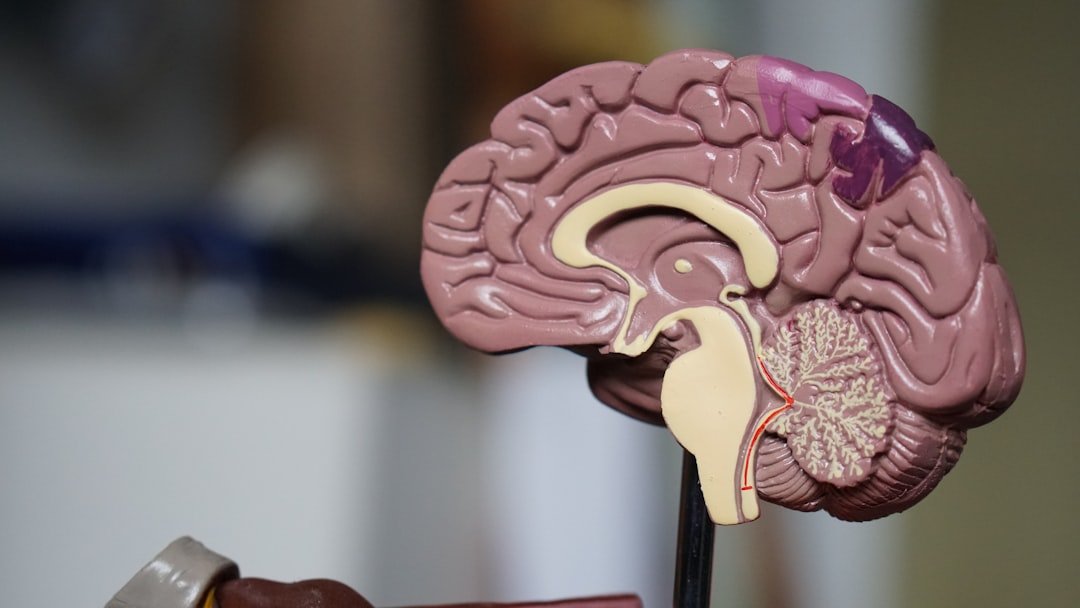
Alzheimer's disease is the most common form of dementia, characterized by gradual deterioration of cognitive functions. It is like a slowly creeping solstice that obscures clarity of reason. The disease causes an abnormal build-up of proteins in the brain – amyloid plaques and neurofibrillary tangles – that damage and kill brain cells.
Phases of Alzheimer's disease
The common pattern of progression is divided into three main phases: early, middle and late. Each phase has its own specific challenges and requires a different set of care strategies. The early phase is like a light fog that darkens the horizon, the middle phase is like a stormy river whose waters are unpredictable, and the late phase is like a deep darkness in which orientation becomes almost impossible.
Early phase
At this stage, memory loss is mild and can be confused with normal aging processes. Those affected may forget recent events, have difficulty finding the right words, or make mistakes in budget management. They are often aware of these changes, which can cause anxiety and depression.
Middle phase
This is the longest stage and can last for many years. Changes in memory and thinking become more noticeable. Those affected may begin to get lost even in familiar places, have difficulty recognizing people close to them, experience changes in personality and behavior, repeat questions, and have difficulty completing multi-step tasks. This is the time when addiction levels increase significantly.
Late phase
In the final stages of the disease, individuals lose the ability to communicate, move, and care for their basic needs. They may fail to recognize family and friends, have trouble swallowing, and be very vulnerable to infection. This is the most difficult stage for both the caregiver and the affected.
Common symptoms and changes in behavior
Symptoms vary greatly between individuals, but often include: memory loss, difficulty planning and problem solving, trouble performing familiar tasks, confusion about time and place, difficulty understanding visual images and spatial relationships, language and speech problems, misplacing objects, impaired or absent judgment, withdrawal from work and social activities, mood and personality changes. Knowing these symptoms is like having a map to help us navigate this complicated world.
Creating a safe and supportive home environment: A haven from chaos
Our home should be a fortress, a place that provides security and predictability in an increasingly chaotic world for the affected. This requires careful planning and constant vigilance, much like preparing a ship for a stormy sea.
Adapting the home for safety
Elimination of hazards
Eliminating potential hazards is paramount. Sharp objects, electrical cords, unprotected stairways, slippery floors – these all need to be addressed. It is like removing stones from the road so that he who can hardly see where he is stepping may not stumble.
Ensuring safety in the bathroom
Bathrooms pose a particularly high risk. Providing grab bars, non-slip mats, adjustable showers and careful water temperature regulation are vital.
Managing risks in the kitchen
The kitchen can be a source of fire or cut hazards. Keeping sharp objects out of reach, using automatic cut-off hobs and reducing access to flammable materials is essential.
Access control
Locking doors and windows to prevent accidental exit, especially at night, is important. Particular attention should be paid to doors leading outside.
Maintaining routine and predictability
Regular schedule
Establishing a consistent daily schedule for eating, activities, hygiene, and rest can reduce confusion and anxiety. The rut is an anchor that keeps the ship steady even in strong waves.
Predictable environments
Avoid unexpected changes in the environment. If possible, keep things in their places where the person usually looks for them.
Sensory stimulation
Be careful with sound and visual stimuli. An overly noisy environment or bright, changing lights can be disorienting.
Changes in living space
Lighting
Good and even lighting helps with orientation. Lamps with timers can help create a more relaxed atmosphere at night.
Colors
Using contrasting colors to enhance the visibility of furniture and doors can be helpful. For example, a light-colored chair on a light background can be harder to spot.
Signs and signs
Clear and simple signage can help navigate the home. For example, a "Bathroom" sign above the bathroom door.
Effective communication and personal support: Speaking the language of the heart
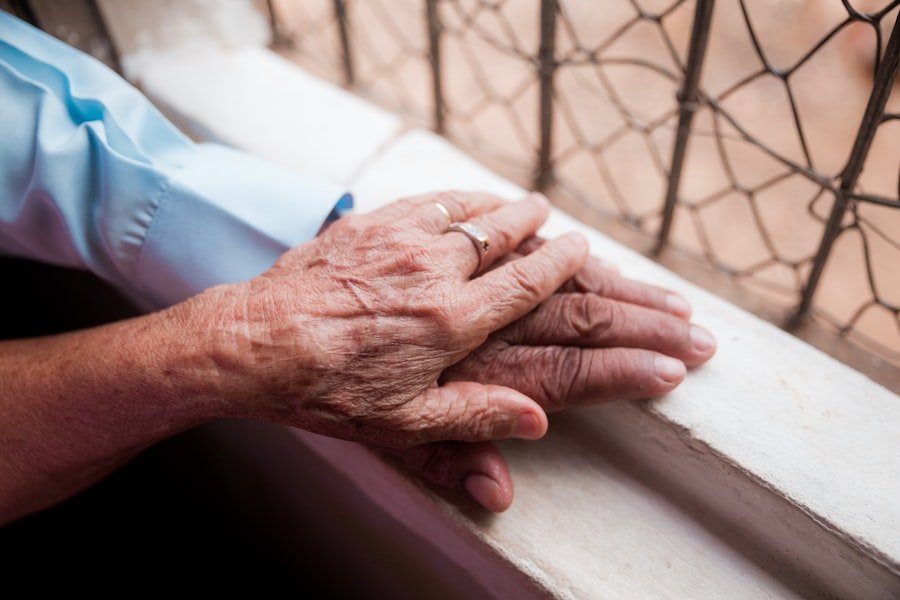
When words begin to lose their meaning, we must find new ways to connect. Communicating with someone with Alzheimer's is an art that requires patience, creativity and empathy, much like trying to describe a color to someone you've never seen.
Strategies to improve communication
Speak slowly and clearly
Use simple sentences and avoid complex vocabulary. Allow time for response.
Use non-verbal communication
A smile, a touch, a look in the eyes - all this can convey a lot. Non-verbal communication often speaks louder than words.
Avoid arguing and correcting
Focus on the emotion behind the words rather than factual accuracy. If the person is confused about something, try to reassure them instead of contradicting them.
Use visual aids
Pictures, drawings or reminder notes can be very helpful.
Interrupt
If the conversation becomes too frustrating, take a break and try again later.
Maintaining dignity and independence
Involvement in decision-making
As much as possible, allow the person affected to make decisions about their usual activities - what to wear, what to eat. It's like giving a young pilot the rudder, even if only for a short time.
Encouraging independence
Support, not takeovers, is key. Help only when absolutely necessary.
Rest and respect
Always treat the person with respect, even when the symptoms are alarming.
Dealing with difficult behaviors
Aggression and agitation
Try to understand the reason - hunger, pain, fear, boredom. Change the environment if necessary.
Delusions and hallucinations
Do not argue directly, but try to redirect attention to something positive.
Loss of orientation
Use familiar objects and places as reference points.
Supporting physical health and well-being: A ship that needs a solid foundation
Long-term care is about maintaining the healthy organism that carries consciousness. Physical health is the foundation upon which overall well-being rests, even as mental landscapes change.
Nutrition and hydration
A balanced diet
Provide a nutritious diet rich in fruits, vegetables, whole grains and protein.
Monitoring fluid intake
Provide adequate fluids throughout the day to prevent dehydration.
Specialized dietary requirements
In case of difficulty chewing or swallowing, seek specialist advice on suitable foods.
Hygiene and body care
Daily care
Assist with daily hygiene including bathing, brushing teeth and skin care.
Prevention of skin problems
Regular skin rotation and maintenance are important to prevent wounds and infections.
Activity and exercise
Regular physical activity
Light exercise such as walking, stretching or gardening can help keep you fit and improve your mood.
Cognitive activities
Stimulate the brain with games, puzzles, reading or listening to music.
Management of medical conditions
Regular medical examinations
Make sure the person sees their doctor regularly to monitor any underlying health problems.
Medication management
Follow the prescribed medication strictly and notify the doctor of any unexpected reactions.
Caring for the Caregiver: Nurturing the Source
| Metric | Description | Recommended value/frequency |
|---|---|---|
| Hygiene | Help with bathing, brushing teeth and changing clothes | Daily |
| Eating | Providing a balanced diet and assistance with feeding | 3 main meals a day + intermediate snacks |
| Medication regimen | Taking the prescribed medicines at the right time | According to a doctor's prescription |
| Physical activity | Light exercises and walks to maintain mobility | 15-30 minutes daily |
| Cognitive stimulation | Games, reading and other activities to stimulate the mind | 20-30 minutes daily |
| Home safety | Removing obstacles and providing a suitable environment | Constantly |
| Psychological support | Communication and emotional support | Continuously |
| Health control | Regular examinations and monitoring of symptoms | According to the doctor's recommendations |
The most important resource in this battle is ourselves. We cannot be a pillar of strength if we are exhausted. Self-care is not a luxury, but a necessity. It's like recharging the battery, because without it the machine won't work.
Managing stress and emotional well-being
Accepting help
Don't hesitate to ask family, friends or professional organizations for help.
Time for yourself
Make time for activities that bring you pleasure and help you relax.
Support groups
Sharing experiences and emotions with other people who are going through similar situations can be extremely helpful.
Maintaining physical health
A healthy lifestyle
Eat a balanced diet, exercise regularly and get enough sleep.
Regular medical examinations
Don't forget your own health.
Information competence
Education
Stay informed about Alzheimer's disease and best care practices.
Finding resources
Keep abreast of available resources - social services, specialized centers, consultants.
Dealing with guilt and sadness
Acknowledging emotions
It is normal to feel anger, frustration, sadness and guilt. Allow yourself to feel them.
Focus on the present
Try to focus on the moments when you can give love and care instead of what is lost.
Planning for the future
Financial and legal matters
Discuss and settle the necessary financial and legal issues while the person is still able to participate.
Long-term care planning
Explore different options for future care if home care becomes impossible.
In conclusion, caring for an elderly person with Alzheimer's at home is a journey filled with invisible maps and infinite depths. We, as travelers, must be the crew that knows how to navigate through the mists of oblivion, keep our ship safe and remind the traveler that even when his world shrinks, he is never alone. It is our invisible but immeasurably strong love that builds bridges across the chasms of time.
FAQs
What is Alzheimer's disease?
Alzheimer's disease is a progressive neurodegenerative disease that results in loss of memory, cognitive function, and behavioral changes. It is the most common cause of dementia in the elderly.
What are the main challenges of caring for an elderly person with Alzheimer's at home?
Major challenges include dealing with memory loss, providing a safe environment, managing behavioral changes, and maintaining the patient's personal hygiene and nutrition.
What safety precautions should be taken in the home of a person with Alzheimer's?
It is recommended to remove dangerous objects, provide good lighting, install locking devices on doors and windows, and mark important places to prevent accidents and loss.
How can communication with an elderly person with Alzheimer's be improved?
It is important to use simple and clear language, speak slowly and calmly, avoid complex questions and use non-verbal signals such as smiling and touching for support.
What are the recommendations for supporting Alzheimer's care at home?
Involvement of family and friends, use of professional support services, regular carer breaks, and participation in support groups and education about the disease are recommended.