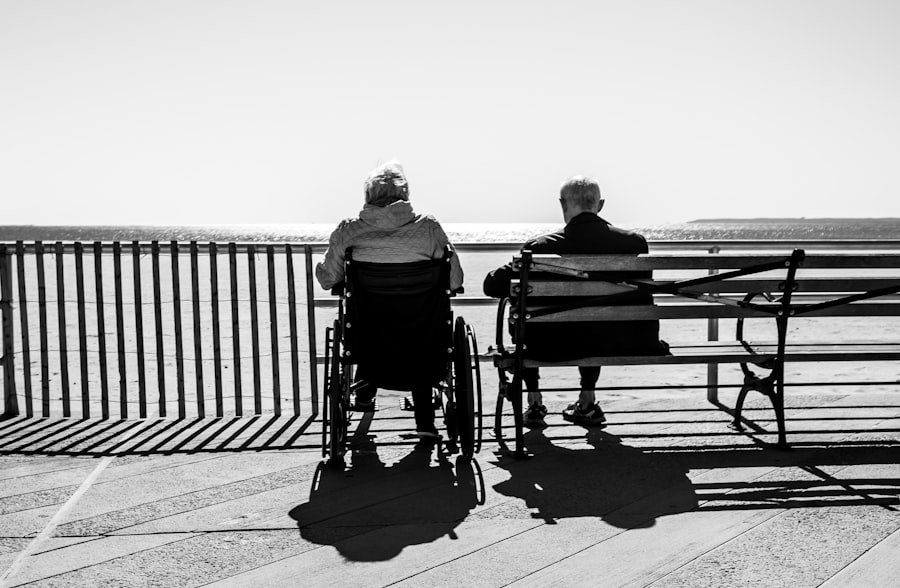
Caring for a loved one, especially when that person is struggling with a serious illness, disability, or simply advancing age, is an act dictated by love, duty, and compassion. I know this first hand. It is a journey filled with dedication, but also with challenges that I often find insurmountable. In the beginning, when I take on this role, it is as if I am a ship going out into a stormy sea, equipped with the best of intentions, but without enough experience or knowledge of navigation. And just as a sailor must watch for changes in weather conditions and the condition of the ship, so I must be alert to my own condition and the needs of the person I care for.
Often times, caught up in the daily routine of caregiving—medication, nutrition, mobility assistance, emotional support—I forget to look around. I forget that I am also a person who has his limits, his needs. And it's at this moment, when my own energy begins to dissipate like smoke from an extinguished candle, and my patience shrinks like a spring under pressure, that I have to admit: it's time to get help. This is a critical point that should not be overlooked, because otherwise the risk of burnout and inability to continue being an effective caregiver becomes real.
But how do I know when exactly that moment has occurred? When should the alarm in my head sound louder? This is not easy. There's no magic formula, no clear sign that tells me, "Stop, you need a break." Rather, it's a series of quiet whispers that gradually grow into a deafening noise if you don't pay attention to them. These are signals that my body and mind send, warning me that my tank is getting empty.
Physical signs of overload
The first ones I often notice are the physical ones. They are the easiest to identify because they manifest themselves tangibly. It's like my body is starting to betray me, making sounds of dissatisfaction.
Constant fatigue and lack of energy
A few months ago, I thought that fatigue was just a part of everyday life. But now, even after sleeping for eight hours, I feel exhausted. It's like I ran a marathon in my sleep. Every movement requires effort, and the thought of the tasks ahead overwhelms me. It's not ordinary sleepiness, but a deep, debilitating feeling of exhaustion that prevents me from enjoying ordinary things.
- Insomnia or interrupted sleep: My sleep becomes light and full of worries. I often wake up at night thinking about the next day, about the to-do list, about the condition of my loved one. This insomnia does not give me rest, but makes me feel even more broken the next day.
- Headache and muscle pain: I began to suffer from constant headaches that did not go away even with painkillers. My muscles are tight, especially in my neck and shoulders. It's like I'm carrying a heavy load all the time.
- Digestive problems: Stress also affects my digestive system. I often suffer from stomach pains, insomnia, or a change in appetite. I don't feel like eating, or I try to compensate for emotional hunger by overeating, which leads to even more discomfort.
- Weakened immune system: I notice that I get sick more often. Runny nose, cough, flu-like symptoms that used to go away quickly now linger longer. This is a clear sign that my body is fighting on two fronts - the stress of caregiving and the viruses around me.
Emotional indicators of need for support
Physical changes are only the tip of the iceberg. Deeper, in the emotional realm, even more disturbing things are happening. These changes are like storms that shake my inner world.
Irritability and anger
That's a sure sign I'm on edge. Once patient and calm, I now get irritated by the slightest thing. A few misplaced items, a slower than expected completion of a task, or just someone's voice can send me to the boil. Anger erupts unexpectedly, sometimes directed at a loved one, for which I deeply regret.
- Feelings of sadness and hopelessness: I often feel a deep sadness that I cannot explain. I feel lost, like there is no way out of the situation. Thoughts of the future fill me with fear and anxiety.
- Guilt and self-blame: I start to blame myself for everything that is wrong. I blame myself for not doing enough, for not being strong enough, for not being able to stop my loved one's pain. This burden of guilt is unbearable.
- Lack of interest in previous hobbies: The things that used to bring me joy - reading, music, meeting friends - now seem meaningless to me. I don't have the energy or desire to deal with them. I am like a garden that has ceased to bloom.
- Feeling isolated: Although I am surrounded by people, I feel lonely. It's hard for me to talk about what I'm going through because the people around me don't understand the gravity of my situation. Sometimes I feel like a lonely island in an ocean of misunderstanding.
Changes in cognitive functions and concentration
Sometimes I forget that it's not just my body and emotions that are signaling a problem. My mind is starting to suffer too. It's like looking through a foggy glass - everything is there, but not clear.
Difficult concentration
I used to be able to focus on one task for hours. Now, even for a few minutes, I have a hard time holding my attention. My thoughts jump from one to another like birds flying wildly.
- Memory problems: I forget important things - appointments, phone numbers, even names. It's as if my brain has started to lose information, like a map that gradually fades.
- Difficulty in making decisions: Even the simplest solutions seem like a complex dilemma to me. The fear of making a mistake paralyzes me and leads to procrastination.
- Reduced creativity: I used to have ideas, I was full of energy to solve problems. Now when I see a challenge all I feel is fatigue and lack of inspiration.
Changes in behavior and social relationships
These changes are often the most visible to others, but at first I may not pay enough attention to them myself. It's like I'm distancing myself from the world.
Withdrawal from social contacts
I avoid meeting friends and family because I feel too tired or irritated. I feel that I have nothing to share, or that others will not understand me. I begin to live in my own world, from which I can hardly get out.
- Neglect of personal hygiene and needs: In the worst moments, even simple things like bathing, eating or cleaning the house seem overwhelming. My body begins to lose its care, like an abandoned plot of land.
- Increased consumption of alcohol, cigarettes or other sedatives: Some people, in an attempt to cope with stress, begin to abuse alcohol, cigarettes or drugs. This is a dangerous path that only worsens the condition.
- Aggressive or apathetic behavior: I can become hot-tempered and aggressive, or I can get into a state of complete apathy, indifference to everything.
When is it time to seek help?
When I start to notice a combination of these signs, when they start to intertwine and make my daily life unbearable, then I know it's time. It's time to stop and admit that I can't carry this burden alone. This is not a sign of weakness, but of strength and wisdom.
Weighing symptoms
It's like I'm on a scale, where on one side are all my worries and on the other - my own strength. When the scales start to tip dangerously towards exhaustion, it's time to look for another weight, another support.
- When the negative symptoms outweigh the positive: When the days filled with sadness, fatigue and irritability become more than the days when I feel calm and strong.
- When caring starts to harm my health: When the physical and emotional symptoms start to make me seriously ill, that's a clear signal that I need to seek help.
- When my efficiency decreases: If I notice that I can't take care of my loved one as well as I used to, it means that I myself need support.
- When my thinking gets cloudy: When problems with concentration and memory begin to interfere with making good decisions about care.
Who can help?
There are many people and organizations who can offer support. It's important not to be ashamed to seek them out.
Family and friends
Often the people closest to us are willing to help as long as they know we need it. Sometimes I just have to tell them, "Please help me."
- Delegation of tasks: They can take over part of the care - help with shopping, with food preparation, with accompanying the loved one to the doctor.
- Emotional support: They can be a shoulder to lean on, an ear to listen without judgment.
- Temporary care: Sometimes they can take care of the loved one for a few hours or days so that I can rest.
Professional services
In many cases, I need more specialized help.
- Social workers: They can refer me to appropriate services and support.
- Doctors and therapists: When physical or mental problems become serious, they can provide treatment and counseling.
- Care platforms and organizations: There are many organizations that offer support to carers – support groups, training, information.
- Domestic helpers and nurses: They can provide professional care for the loved one, relieving me of some of the duties.
Conclusion
Caring for a loved one is a marathon, not a sprint. And as any marathoner knows, the pressure is huge and sometimes you force yourself to take care of yourself, because without that care, you won't be able to finish the race. Seeking help is not a sign of failure, but of understanding that I am a person with limitations. It is an act of love – not only for the loved one, but also for oneself. When my little ship starts rocking too much in the storm, I have to learn to drop anchor for a bit, hire an experienced co-captain so I can continue my journey with renewed strength and clarity. That is the only way I can be sure to reach the shore, safe and sound, with my loved one by my side.
FAQs
What does caring for a loved one mean is not easy?
Caring for a loved one involves physical, emotional and sometimes medical support, which can be exhausting and stressful. Difficulties may arise due to workload, lack of time or the need for specialized skills.
What are the signs that I need help caring for a loved one?
Signs include feelings of chronic fatigue, stress, insomnia, social isolation, difficulty managing daily tasks, and feeling unable to cope on your own.
What types of help can I seek if I am struggling to care for a loved one?
You can seek support from professional carers, social services, support groups, family and friends, as well as counseling with medical professionals or psychologists.
How do I know if caring for a loved one is negatively affecting my health?
If you notice symptoms such as constant fatigue, anxiety, depression, physical pain, or changes in appetite and sleep, this may be a sign that caregiving is having a negative impact on your health.
How can I balance caring for a loved one with my personal life?
It's important to take time off, delegate tasks, use available support resources, and maintain social contacts and hobbies that help you relax and recover.