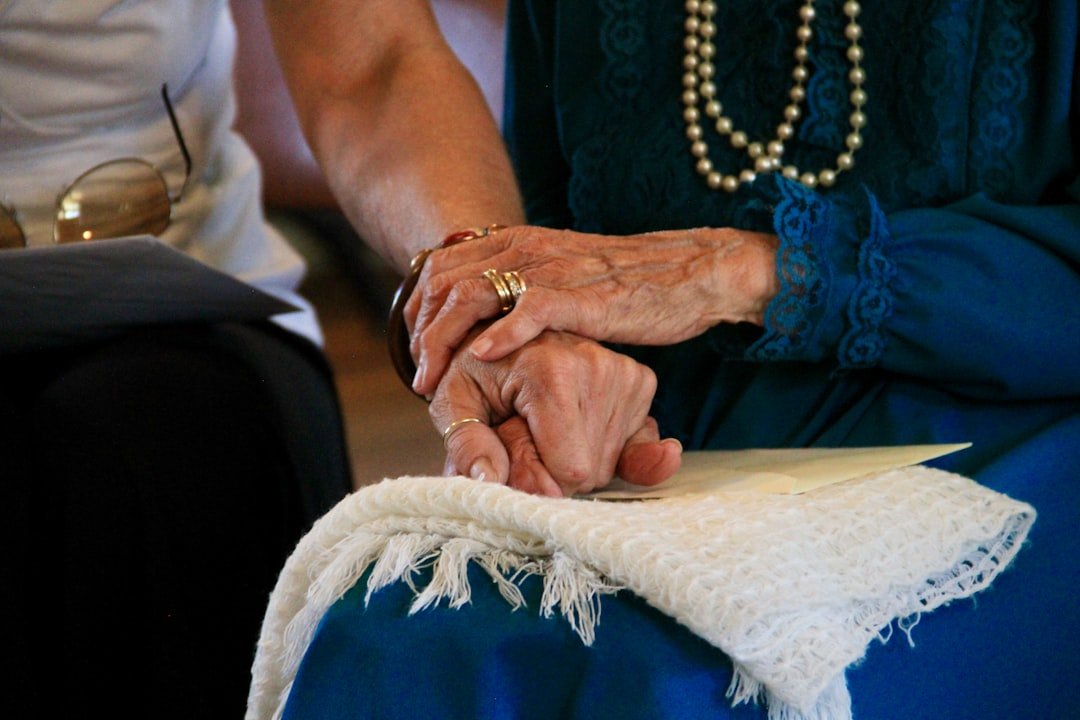
I am a researcher who has devoted much of my professional life to the study of human relationships and their impact on health and longevity. Today I want to introduce you to an intriguing discovery that is emerging in the scientific community - the role of grandparents in life expectancy. This is not just a curious statistic, but an insight into deep-rooted biological and social mechanisms that shape our existence.
When I consider human longevity, I often return to evolutionary foundations. You may wonder why nature would favor the continuation of life past reproductive age. This is one of the great paradoxes of biology.
1.1 The “grandmother hypothesis”: advantage to the species.
One of the most established theories is the "Grandmother Hypothesis" proposed by Kristen Hawkes. She suggests that in early human societies, women who reached menopause played a critical role in raising grandchildren, thus freeing their daughters to have more children. This not only increases the number of surviving offspring, but also transmits genetic material that favors longevity. I can imagine how the ancient grandmothers shared the know-how of food gathering, crafts, and basic survival skills, providing an invisible support network that was essential to the tribe's success. They were living libraries, repositories of experience and knowledge that were vital to the community.
1.2 Limited "grandfather effect".
Although the Grandmother Hypothesis has received considerable support, the role of grandfathers in this evolutionary framework is less studied and appears to be less pronounced. The reasons for this are multi-layered. It is possible that grandfathers had a more active role in hunting and protection, which put them at greater risk and shortened their lives. Furthermore, the biologically certain parentage of grandmothers is clearer, whereas in grandfathers there has always been some degree of uncertainty about biological paternity, which may have reduced the evolutionary pressure to invest in indirect offspring. Of course, this does not diminish the importance of grandfathers in modern societies. I personally see how many grandfathers are at the center of family life.
2. Surveys and methodology: how do we measure longevity?
When I try to understand how fatherhood as a grandfather affects longevity, I have to rely on rigorous scientific methods. This is not a matter of guesswork, but of data analysis.
2.1 Longitudinal studies and cohort analysis.
Most of the evidence comes from longitudinal studies, which follow large groups of individuals (cohorts) over long periods of time – sometimes decades. One of the clearest examples is The Berlin Elderly Study (Berlin Aging Study), in which over 500 people over the age of 70 have been followed since 1990. Data from this study, and others like it, allow me to compare the number of survivors among participants who were active grandparents with those who did not have or were not actively involved with grandchildren. It is important to rule out other factors that could influence the results, such as socioeconomic status, education, baseline health, and lifestyle. The work is delicate – any parameter that could distort the results must be carefully controlled.
2.2 Statistical models and control variables.
The statistical models I use are complex. They allow me to isolate the effect of grandchildren while controlling for a number of variables. Imagine trying to determine whether rain makes flowers grow better, but you have to rule out the effects of sunlight, soil quality, and flower type. Similarly, when analyzing longevity data, I had to take into account age, gender, marital status, number of own children, presence of chronic diseases, level of physical activity, smoking and alcohol use. Only after these "noises" are eliminated can the actual correlation be established.
3. Psychological benefits: mental stimulation and stress reduction.
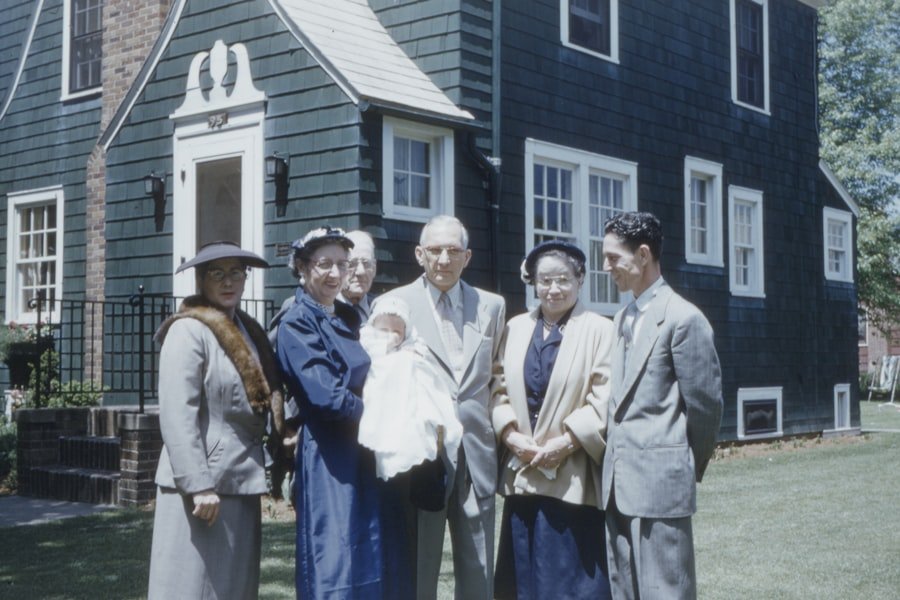
Every role that engages me in life has its psychological imprint. The role of grandmother or grandfather is especially rich in such.
3.1 Cognitive maintenance through interaction.
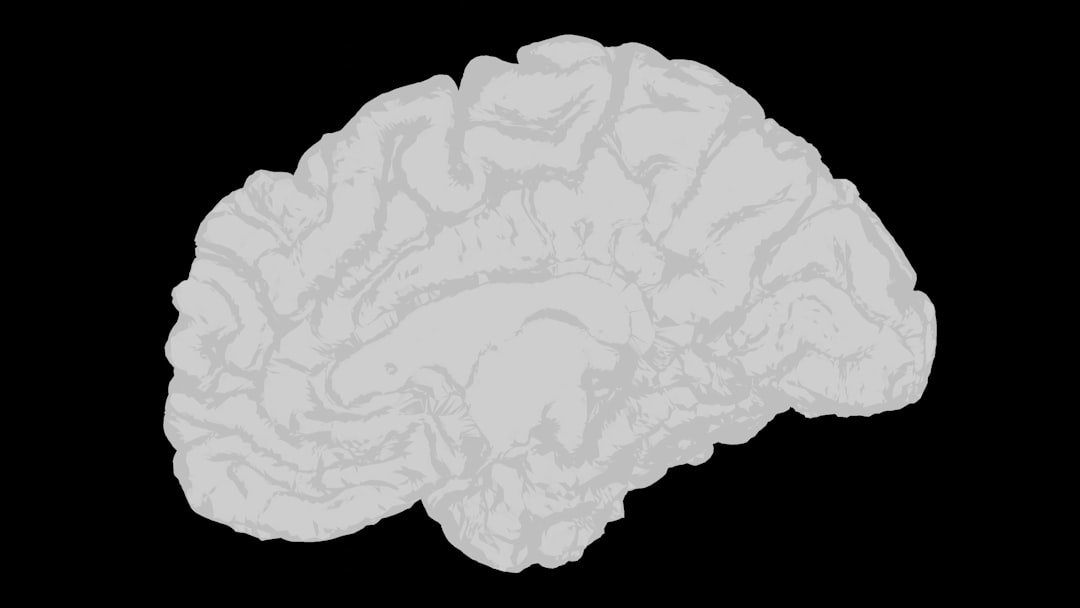
Interacting with grandchildren, especially at an earlier age, requires me to think, plan and adapt. Playing games, reading stories, solving problems, even as simple as putting together a puzzle all stimulate cognitive functions. Think of the brain as a muscle – the more you use it, the stronger it stays. When I have to explain to a seven-year-old why the sky is blue, I'm not just repeating facts, I'm trying to present them in an understandable and engaging way, which is a cognitive exercise in itself. This can help slow the cognitive decline associated with aging and even reduce the risk of neurodegenerative diseases such as Alzheimer's disease.
3.2 Emotional satisfaction and reduction of loneliness.
Loneliness is one of the biggest threats to the health of older people. Feeling isolated can lead to depression, anxiety and even higher mortality. Grandchildren are an antidote to loneliness. Their presence brings joy, laughter and a sense of purpose. When I hold my grandson's hand or read to him, I feel a rush of warmth and love that cannot be measured in words alone. This emotional support is like a shield against stress and negative emotions.
3.3 A sense of purpose and meaning.
After retirement, many people lose their sense of purpose. Grandchildren can fill that gap. They give a sense that I can pass on heritage, experience and wisdom. The feeling that I am important and that I can contribute to the development of the younger generation is a powerful motivator. It gets me out of bed in the morning and makes me smile. This is not just a concern, but an opportunity to leave a mark on the future.
4. Physical benefits: activity and health maintenance.
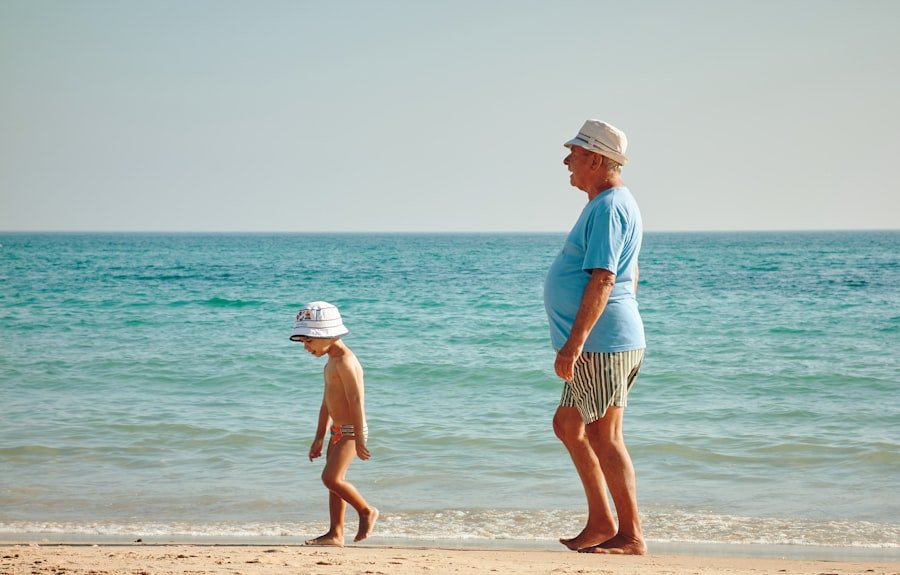
Not only my mind but also my body benefits from being a grandparent.
4.1 Increased physical activity.
Playing with grandchildren, especially younger ones, often requires significant physical activity. Running after a ball, going up slides, walking in the park, even just holding them in my arms is all a form of exercise. Research shows that grandparents who care for their grandchildren have higher levels of physical activity than those who don't. This activity is essential for maintaining cardiovascular health, muscle tone and joint flexibility. It's like an unexpected gym membership provided by life.
4.2 Healthier habits and lifestyle.
By taking care of the grandchildren, I am often motivated to eat healthier and maintain a more regular schedule. I feel responsible for my example. For example, if my grandson is with me, I will cook healthier meals, try to go to bed earlier and get enough rest so that I have energy for him. It also indirectly improves my own health.
4.3 Better sleep and reduced risk of diseases.
Physical activity and reduced stress associated with caring for grandchildren can lead to better sleep. Quality sleep is essential for the recovery of the body and the strengthening of the immune system. A stronger body can more easily cope with everyday challenges and reduce the risk of chronic diseases.
5. Social benefits: connectedness and support.
In some cases, grandparents take on the full care of their grandchildren, which can come with enormous financial and emotional burdens. For example, if their children are unable to take care of their own children for various reasons. In these situations, longevity benefits can be minimized or even canceled out by extreme stress and deprivation. This is a situation where the system needs to offer support and not just rely on goodwill.
6.3 Lack of acknowledgment and gratitude.
Sometimes, the efforts of grandparents are not appreciated or recognized enough. A lack of gratitude can lead to frustration and feelings of belittlement, which can have a negative impact on mental health. This is a delicate point: we often give freely, but a little recognition is like nectar for the soul.
Conclusion
I am convinced that the role of a grandparent is much more complex and multi-layered than it appears at first glance. From an evolutionary perspective, to the modern psychological and physiological benefits, an investment in grandchildren can be an investment in one's own longevity. Of course, this is not a universal elixir for eternal life, but rather a complex mechanism that works under the right conditions.
It is important to remember that engagement should be voluntary and enjoyable, not a burden. Just as a tree needs enough light and water to grow strong, grandparents need balance, recognition and support in order to blossom and flourish in this important role. So, if you're a grandparent, know that you're not just giving, you're also receiving—and one of those things could be a few more years of life filled with meaning and joy.
FAQs
What does research show about the relationship between grandparents and life expectancy?
Research shows that grandparents who are actively involved in their grandchildren's lives have a longer life expectancy than those who are not involved.
Why can the role of grandparents contribute to a longer life?
Active involvement in grandchild care can improve grandparents' mental and physical health by reducing stress, increasing social engagement, and promoting physical activity.
Are there specific activities with the grandchildren that are particularly beneficial for grandparents' health?
Yes, activities such as playing, going for walks, helping with homework and sharing time for learning and fun are beneficial as they encourage physical activity and social communication.
What impact does social engagement have on the health of older adults?
Social engagement, including interaction with grandchildren, helps reduce feelings of loneliness and depression, improves cognitive function and general well-being, which can extend life.
Can the role of grandparents have negative effects on health?
In some cases, excessive care for grandchildren can lead to physical and emotional exhaustion, so it is important for grandparents to maintain a balance between caregiving and their own health.